






The Wimbledon Canvas: More Than Just a Match
While players adhere to the famously strict all-white rule, a tradition dating back to the 1800s to minimize the appearance of sweat, the spectator stands tell a different story. Here, the dress code is unwritten but universally understood: smart casual
with a British inflection. It’s a scene of tailored trousers, summer dresses, and Panama hats, creating an atmosphere of relaxed elegance. This tradition of sharp dressing isn't about rigid rules but about participating in the event's historic ambiance. It’s less about being seen and more about contributing to a living tableau of sporting history, where every outfit choice is a subtle nod to the legacy of the All England Club. The crowd itself becomes part of the spectacle, a sea of considered style that complements the drama on the grass courts.
The Forgotten Icon: The Linen Waistcoat
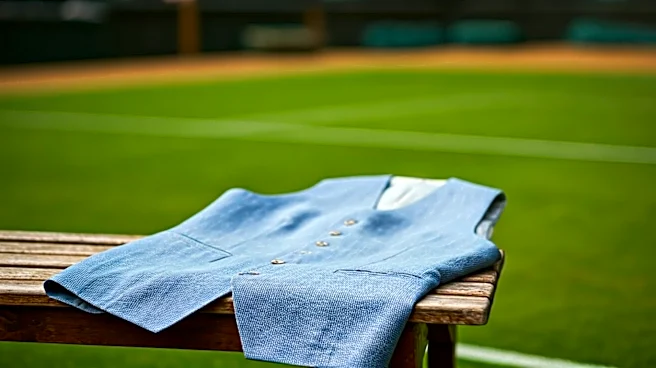
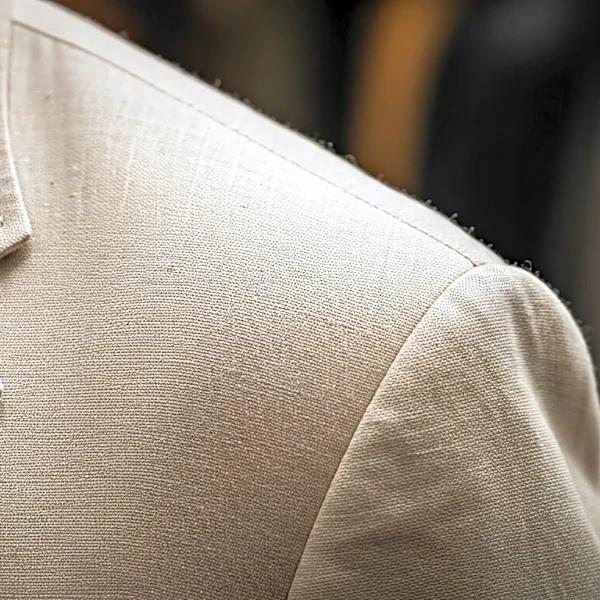
Within this sartorial landscape, imagine a specific garment: the linen waistcoat. Though not a modern staple, its spirit perfectly aligns with Wimbledon's vintage charm. A descendant of more formal 17th and 18th-century vests, the waistcoat evolved over time from an ornate piece of formalwear to a staple of a gentleman's wardrobe. By the early 20th century, lighter fabrics like linen made it suitable for summer and sporting events. A crisp, white or cream linen waistcoat suggests a bygone era of leisure and precision, a time when attending a tennis match was a significant social occasion. It’s a piece that speaks of deliberation and an appreciation for classic menswear construction, making it a perfect, if imagined, centerpiece for our archival mood board—a symbol of pre-war elegance before sportswear became dominated by technical fabrics.
The Crocodile's Court: A Lacoste Legacy
This is where the Lacoste lens comes in. Before it was a global brand, it was a man: René Lacoste. A formidable tennis player in the 1920s, he was known as “the Crocodile” for his tenacity. Lacoste was not only a champion—winning Wimbledon twice—but also a pragmatic innovator. Frustrated with the restrictive court attire of his day (flannel trousers and long-sleeved shirts), he developed a short-sleeved, breathable cotton piqué shirt for his own use. This wasn't just a new shirt; it was a revolution in sportswear, prioritizing function and comfort without sacrificing a clean, elegant line. After a bet with his captain over a crocodile-skin suitcase, he had the animal embroidered on his blazer, creating one of the world's first and most enduring brand logos. This act cemented the Lacoste DNA: performance born from the needs of an elite athlete, combined with a touch of personal flair.
From Mood Board to Modern Wardrobe
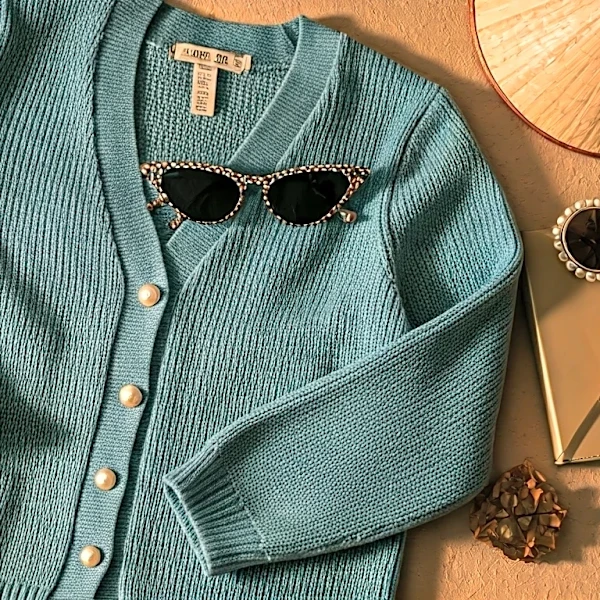
Viewing the archival Wimbledon mood board through this Lacoste lens is an exercise in translation. How would the brand that invented the polo shirt interpret the formal linen waistcoat? It wouldn't be a direct copy. Instead, Lacoste's heritage suggests an evolution. The brand would capture the spirit of the waistcoat—its tailored sharpness and clean lines—and blend it with its own legacy of sporting functionality. One could imagine a modern interpretation: a structured, knitted vest in the brand’s signature petit piqué cotton, perhaps with subtle piping details or a streamlined, athletic cut. It would be a garment that nods to the formality of the past while being engineered for contemporary life. It is this very process of drawing from the archives to innovate—be it a polo shirt in 1933 or a heritage-inspired collection today—that defines the Lacoste ethos.