


We’ve all been there: a beautiful top or dress with a neckline that gapes, slips, or just won’t lie flat. Before you reach for that trusty roll of fashion tape, what if the secret to a perfect fit isn’t sticky, but structural?
What is Neckline Tension, Anyway?
The term 'neckline tension'
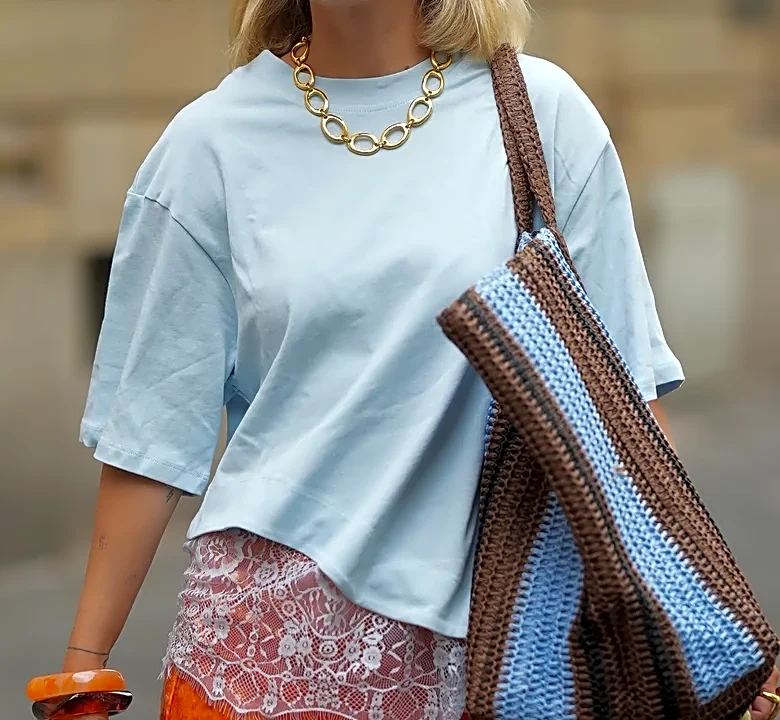
might sound like a complicated sewing concept, but it's actually quite simple. It’s the invisible framework that dictates how a garment’s neckline sits against your body. Proper tension is achieved during construction, ensuring the edge of the fabric is stabilized so it lies flat and doesn't stretch out of shape with wear. Think of it like the waistband on a pair of quality leggings; it’s designed to hug you securely without digging in or sagging. This can be achieved with techniques like staystitching, adding a facing or lining, or using stabilizing tape inside the seam. When a neckline has the right tension, it gracefully contours to your collarbones and chest, moving with you instead of gaping open every time you lean forward.
The Allure and Illusion of Fashion Tape
Fashion tape is often hailed as a red-carpet secret and a quick fix for any wardrobe malfunction, from a slipping strapless dress to a button-front shirt that puckers at the bust. And in an emergency, it absolutely has its place. This double-sided adhesive can temporarily secure a plunging neckline or hold a wide boatneck in place. However, it's a temporary solution to what is often a permanent design flaw. The adhesive can weaken with sweat or oil, lose its stickiness if you need to readjust, and may not hold up under the strain of a truly ill-fitting garment. In some cases, it can even irritate sensitive skin or leave residue on delicate fabrics. Relying on tape means you're not addressing the root issue: the garment itself wasn't constructed to fit properly in the first place.
Structure is Superior to Stickiness
Choosing a garment with good neckline tension is an investment in both style and peace of mind. While fashion tape offers a fleeting fix, a well-constructed neckline provides lasting structure and support. A garment designed with proper tension doesn’t just prevent a wardrobe malfunction; it enhances the overall look and feel of the piece. The drape is cleaner, the fit is more flattering, and the entire garment appears more polished and expensive. It’s the difference between forcing a piece to behave with adhesive and letting thoughtful design do the work. A well-made neckline is a sign of quality craftsmanship, indicating that the designer considered how the garment would function on a real, moving body.
How to Spot a Well-Constructed Neckline
You don’t need to be a seamstress to identify quality neckline construction. When you're shopping, take a moment to inspect the garment. Gently stretch the neckline—does it snap back into shape, or does it look like it might easily become baggy? Look at the inside. Do you see a clean finish, like a fabric facing or a neatly stitched band? These are indicators of stabilization. For V-necks and scoop necks, check that the point or curve lies flat against the hanger or mannequin, without pulling or twisting. On woven fabrics, a bias-cut neckline is especially prone to stretching, so look for evidence of reinforcement like stay tape or careful stitching within the seam allowance. By paying attention to these small details, you can choose clothes that are built to fit well from the start, liberating you from a lifetime of sticky situations.