



The Unsung Hero of Winter Layering
The idea of wearing a tank top in freezing weather sounds counterintuitive, but its strength lies in its subtlety. A tank top serves as an ideal base layer precisely because it's sleeveless. It provides an extra layer of insulation for your core without
creating the dreaded sleeve-bunching that can happen when wearing a T-shirt under a fitted sweater or dress shirt. This allows for a smoother, more streamlined silhouette. Furthermore, a breathable base layer helps manage temperature swings, keeping you comfortable when you move from the frigid outdoors into an overheated office or train car. It protects your delicate sweaters, like cashmere or merino wool, from direct contact with your skin, which means they need washing less often and last longer.
Fabric is Everything
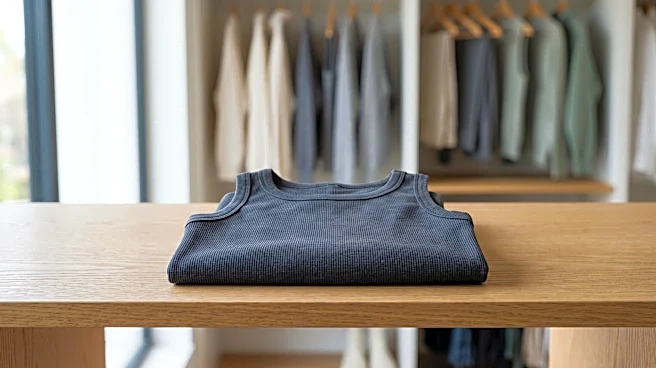
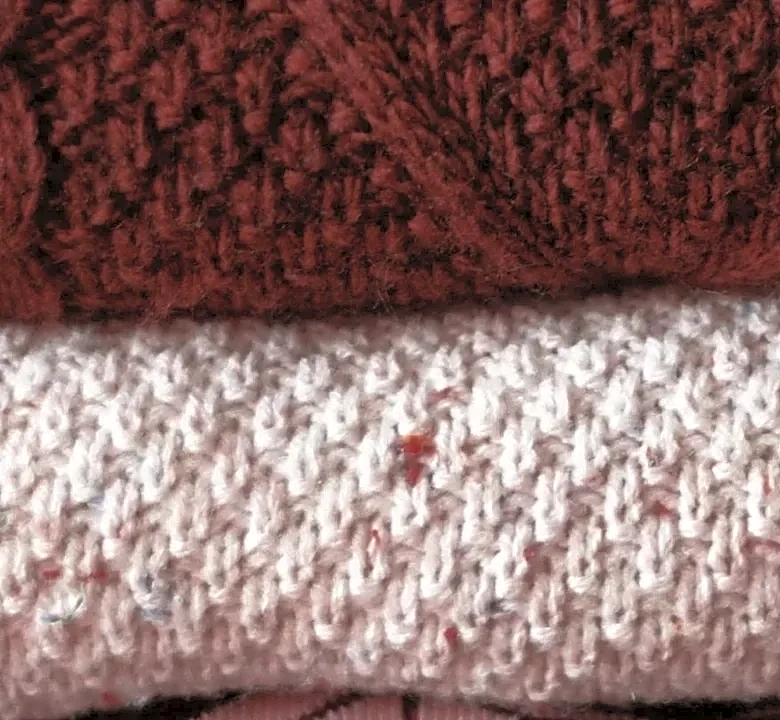
Not all tank tops are created equal, and the breezy linen or thin cotton versions from your summer vacation won't cut it. For winter, the key is to choose tanks made from warmer, more substantial materials. Look for options in merino wool, which is known for its incredible insulating properties and softness, making it suitable for direct skin contact. Other great choices include thermal knits, flannel, and blends of polyester and cotton with a plush interior lining. Fabrics with a ribbed texture or double-knit construction not only add visual interest but also tend to hold their shape better, providing a more structured and polished look under other garments. These materials are designed to trap heat and provide a cozy foundation for the rest of your outfit.
The Invisible First Layer
The most functional way to wear a winter tank is as a true base layer—an unseen workhorse. When worn under a fine-knit jumper or a crisp dress shirt, a smooth, seamless tank provides warmth while remaining completely invisible. For this approach, it’s best to choose a slim-fitting style with a lower neckline so it won't peek out from under a button-down shirt. A snug fit prevents bunching and ensures that the layer closest to your skin is lightweight and breathable. This is the secret to staying warm without feeling like you're wrapped in bulky layers, allowing your outer pieces, like a tailored blazer or chunky cardigan, to drape properly.
Making the Tank a Visible Statement
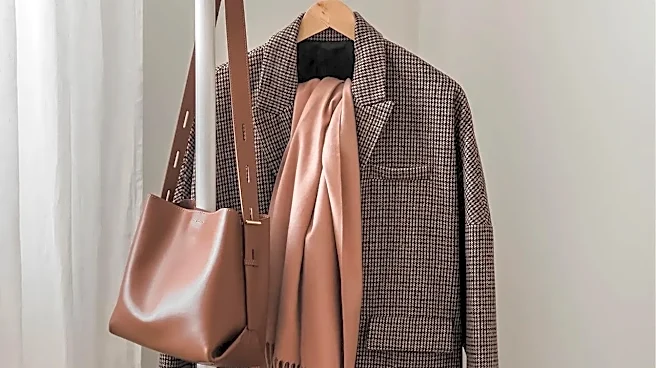
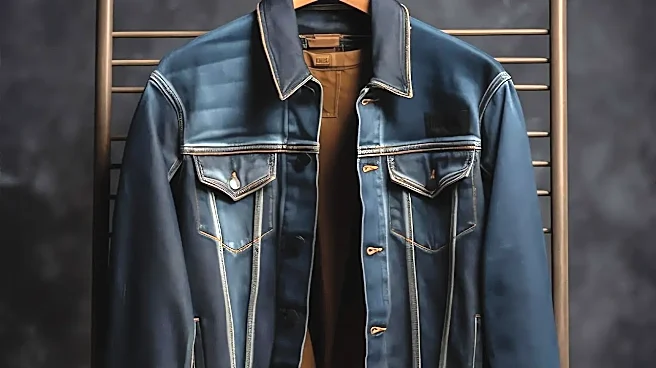
Beyond its utility as an undergarment, the tank top can also be a deliberate part of your visible outfit. A high-neck or structured tank top can look incredibly chic peeking out from under an open cardigan, a flannel shirt, or a tailored blazer. This styling trick, often called the 'third piece' rule, adds depth and a point of interest to your look. For a modern, professional outfit, pair a high-quality, thick-fabric tank with wide-leg trousers and an oversized blazer. For a more casual, rugged feel, a simple black or white tank top works perfectly under an unbuttoned denim or flannel shirt with jeans and boots. The key is to treat the tank not as an afterthought, but as a foundational component of the overall aesthetic.
Styling Beyond the Basics
Once you've mastered the fundamentals, you can experiment with more advanced styling. Knitted sweater vests, which are essentially structured, thicker tank tops, have become a sophisticated layering piece in their own right. They can be worn over button-down shirts or even long-sleeve tees for a timeless look. Don’t be afraid to play with color and texture; a brightly colored tank can provide a fun pop under a neutral-toned coat, while mixing a ribbed knit tank with a smooth leather jacket creates compelling textural contrast. Paired with winter-appropriate bottoms like corduroys, wool trousers, or dark-wash denim, the tank top proves it can hold its own all year round.