


Construction: The Foundation of Comfort
The secret to a comfortable dress shoe lies in its construction. While many shoes are simply glued together (cemented), higher-quality footwear uses stitched construction. The two most common methods are Blake stitch and Goodyear welt. A Blake-stitched
shoe is lighter and more flexible right out of the box because the sole is stitched directly to the upper. This creates a sleek profile perfect for formalwear. A Goodyear-welted shoe features an extra strip of leather (the 'welt') between the upper and the outsole. This makes the shoe more robust and water-resistant. It also creates a cavity filled with cork, which gradually molds to your foot, creating a custom-like fit over time. While a Goodyear-welted shoe has a longer break-in period, its long-term comfort and durability are often considered superior.
Material World: Not All Leather Is Equal
The material of the shoe's upper is critical for both comfort and longevity. Always opt for genuine leather over synthetic options, as it breathes and molds to your foot. Full-grain leather is the highest quality, retaining its natural texture and durability, and it develops a rich patina over years of use. A quality leather or pigskin lining is also essential, as it helps manage moisture and prevents irritation during long hours of wear. While patent leather is a classic for black-tie events, its plastic coating makes it stiff and not breathable, so save it for occasions where you won't be on your feet for an extended period.
The Sole of the Matter
The sole is where the rubber literally meets the road. Traditional leather soles are elegant and breathable but offer little in terms of cushioning or grip on slick surfaces. Rubber soles, like those made by Dainite or Vibram, provide excellent traction and shock absorption, making them a practical choice for a shoe that needs to perform all day. Many modern dress shoes now incorporate sneaker-like technology, with foam-cushioned midsoles that deliver significant comfort without compromising the formal look. These 'hybrid' dress shoes are an excellent option for those who prioritize all-day comfort.
Style and Substance: Oxford vs. Derby
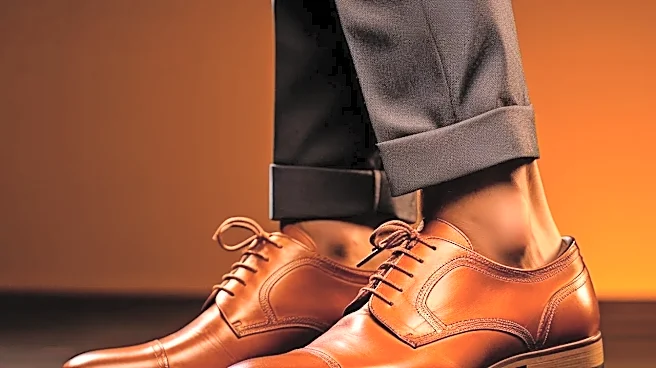
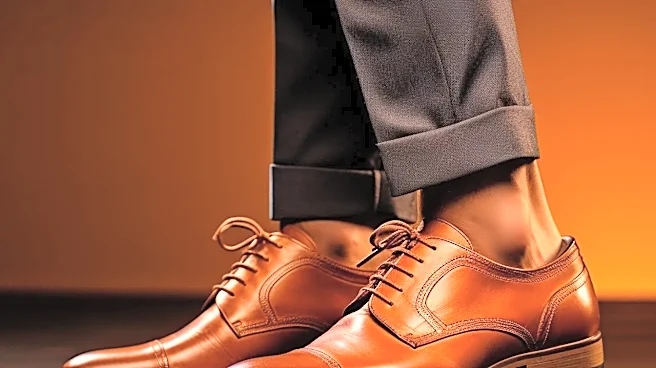
The two titans of men's formal footwear are the Oxford and the Derby. The difference is in the lacing. Oxfords have a 'closed' lacing system, where the eyelet tabs are stitched underneath the vamp, creating a sleek, formal silhouette. Derbys feature an 'open' lacing system, with the tabs sewn on top of the vamp. This small change makes Derbys more accommodating for men with wider feet or high insteps, and they are generally considered more comfortable for extended wear. While a black cap-toe Oxford remains the pinnacle of formality, a well-made Derby offers a fantastic blend of style and everyday comfort.
The Perfect Fit and Break-In Period
Never buy dress shoes with the intention of wearing them to a major event the next day. Quality leather shoes require a break in period of one to four weeks. Start by wearing them around the house for an hour or two at a time. Using a leather conditioner can help soften stiff areas. When shopping, try on shoes at the end of the day, as your feet naturally swell. Wear the same type of socks you plan to wear to the event to ensure an accurate fit. There should be about a thumb's width of space between your longest toe and the end of the shoe. If you're between sizes, focus on getting the width right first ; a shoe that's too narrow will never be comfortable.