



The Case for Setting Powder
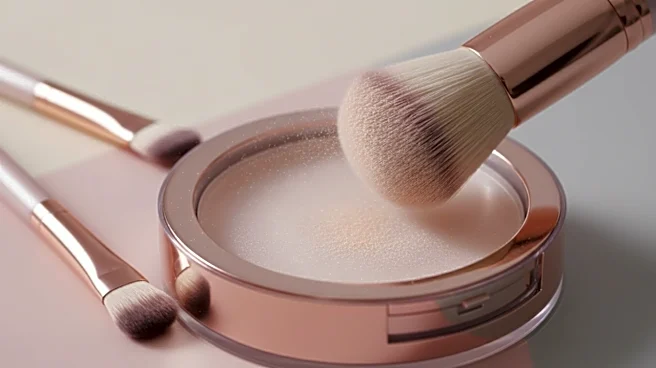
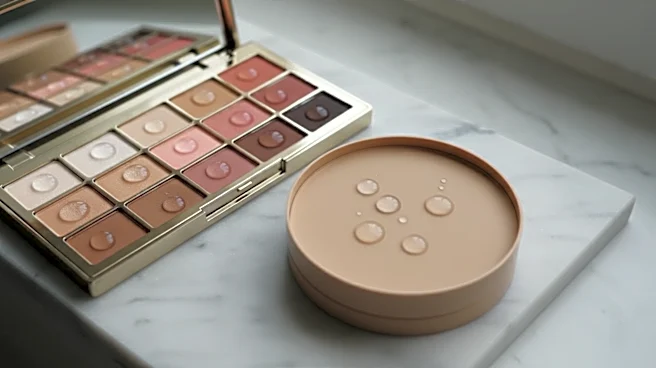
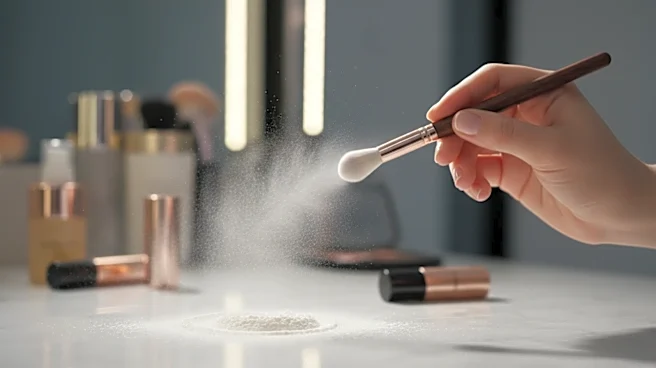
Let’s start with the classic: setting powder. This finely milled product, which comes in both loose and pressed forms, has been a makeup bag staple for decades. Its primary job is to absorb excess oil from the skin and from liquid or cream makeup, locking
it in place. Think of it as the ultimate shine-fighter and texture-smoother. When applied after foundation and concealer, it creates a velvety, matte surface that prevents creasing and provides a perfect canvas for powder blushes and bronzers to glide over without grabbing or looking patchy. For those with oily or combination skin, setting powder is often seen as a non-negotiable step for keeping a complexion looking balanced and fresh. It excels at blurring the appearance of pores and creating that soft-focus, airbrushed effect many people crave.
The Appeal of the Setting Spray
On the other side of the ring is the more modern setting spray. This liquid mist is designed to be the absolute final step in your routine, forming an invisible film that seals your entire look. Instead of absorbing oil, its main goal is to fuse all the layers of your makeup together—from foundation to powder to blush—making everything look more seamless and skin-like. This is why it’s a holy grail for preventing a “cakey” or overly powdery finish. Sprays come in various formulations, offering everything from a radiant, dewy glow perfect for dry skin types to a truly matte finish for those who need serious hold. It’s the go-to for ensuring makeup has waterproof, transfer-proof staying power for long days, special events, or humid weather.
The Real Secret: It's Not a Competition
Here’s where the conversation usually goes wrong. Framing it as “setting spray vs. setting powder” implies you have to choose a winner. But professionals know the real magic happens when you stop seeing them as competitors and start seeing them as a team. They perform two different, complementary functions. Powder manages oil and texture from within the makeup layers, while spray locks in the final look from the outside and melds everything together. Relying on only one can leave you with a finish that’s either too dry and flat (from powder alone) or one that doesn’t fully control oil and texture (from spray alone). The hidden step isn’t a secret product; it’s a strategic technique that leverages the strengths of both.
The Hidden Step: Strategic Layering
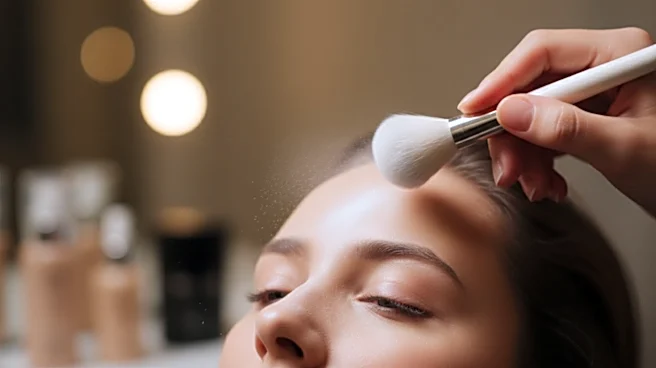
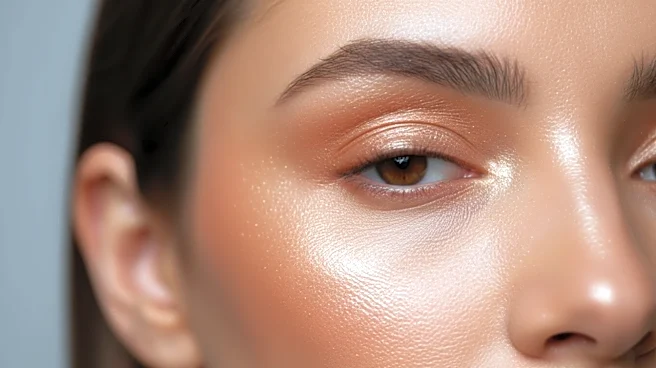
The professional secret to a truly flawless, long-lasting finish is using both products in the correct order. The most effective and widely used method is powder first, then spray. After you’ve applied your liquid and cream products like foundation and concealer, you apply setting powder. This is crucial for setting those wet products, absorbing any immediate oil, and preventing creasing in areas like under the eyes or around the nose. You then apply the rest of your powder-based products like blush and bronzer. Only when every other speck of makeup is on your face do you reach for the setting spray. A fine mist over your entire face will lock in your work, but more importantly, it will “melt” the setting powder and any other powders into your skin, removing any dusty or chalky appearance and creating a unified, natural finish. This technique gives you the oil control of a powder with the seamless, skin-like finish and longevity of a spray.
Your New Pro-Level Routine
Ready to put the hidden step into practice? It’s simpler than it sounds. First, apply your base makeup—foundation, concealer, cream contour, or blush—as you normally would. Second, while the base is still slightly tacky, use a brush or puff to press a light amount of setting powder onto the areas that tend to get oily or crease, like your T-zone and under your eyes. You don’t need to bake with a heavy layer; a light dusting is often enough. Third, apply any other powder products, such as your powder blush, bronzer, and highlighter. Finally, hold your setting spray about eight to ten inches from your face and mist it evenly in an “X” and “T” motion. Let it dry completely without touching your face. You’ll be left with a finish that looks professionally done—smooth, unified, and built to last.