









More Than Just a Steam Room
First, let's clarify what a hammam is not: it's not just a sauna or a quick stop at the gym's steam room. A traditional hammam ritual is a multi-step process rooted in centuries of Ottoman culture. It begins with a period of relaxation in a heated, humid
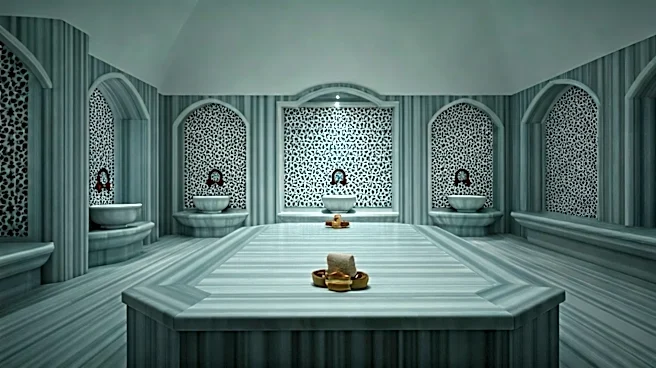
room (the 'sıcaklık') to open the pores and soften the skin. This isn't a silent, solitary meditation; it’s often a social space. Following this, an attendant, or 'tellak', guides you to a marble slab for a vigorous exfoliation with a 'kese' mitt, which sloughs off dead skin in a surprisingly satisfying way. The finale is an enveloping massage with mountains of airy soap bubbles, followed by rinses of warm and cool water. The entire experience is a journey—a structured ritual of cleansing that is both physical and, for many, deeply mental.
The Quest for Authentic Wellness
The American wellness market is saturated with quick fixes, trendy supplements, and bio-hacking fads that promise optimization but often feel hollow. In this landscape, the hammam stands out for its authenticity. It’s not a 10-minute app-led meditation; it's a practice with a rich history and a clear cultural lineage. Consumers, tired of generic spa menus, are increasingly seeking experiences that feel grounded and meaningful. The hammam offers just that—a connection to a time-honored tradition that has been practiced for generations. It’s a form of 'slow wellness' that pushes back against the frantic pace of modern life, promising a genuine reset rather than a superficial polish.
A Social Experience for a Lonely Age
While some American spas have adapted the hammam for private, individual treatments, its roots are communal. In Turkey and across the Middle East, hammams have long served as social hubs, places to gather, talk, and connect. This social element is a powerful, if subtle, driver of its American appeal. In an era marked by digital isolation and post-pandemic social awkwardness, the hammam offers a unique form of connection. It’s a phone-free zone where vulnerability is shared, and conversation can flow without the usual digital distractions. It provides a rare third space—neither home nor work—where people can experience a sense of community in a restorative, non-performative way.
A Ritual of Surrender
For a culture obsessed with control, the hammam’s greatest appeal might be the invitation to let go. Unlike a typical massage where you might direct the therapist's pressure or focus, the hammam ritual requires surrender. You are literally in someone else’s hands as you are scrubbed, washed, and rinsed. This act of relinquishing control can be profoundly therapeutic. It’s a forced mindfulness; you can’t check your email, scroll through social media, or mentally rehearse your to-do list while being covered in a cloud of soap bubbles. For 60 to 90 minutes, the only task is to be present. This structured release is what elevates the hammam from a simple cleaning to a powerful ritual of mental and physical renewal, offering a stark contrast to the self-directed, high-effort nature of so much of American self-care.
The Undeniable Aesthetic
Let’s be honest: modern hammams are also stunning. The architecture—with its domed ceilings, intricate tilework (zellige), and dramatic lighting—is inherently beautiful and, yes, highly Instagrammable. While the spiritual and physical benefits are the core of the experience, the visual appeal is what often gets people in the door. A beautifully designed hammam doesn't just feel like a spa; it feels like a destination. This aesthetic allure helps create a sense of escape and luxury, turning a wellness treatment into a mini-vacation. In the age of the experience economy, the visual narrative of the hammam is a significant part of its currency, spreading awareness and desire across social media feeds and inspiring a new generation to seek out this ancient practice.