


The Era of Flawless, Forgettable Fashion
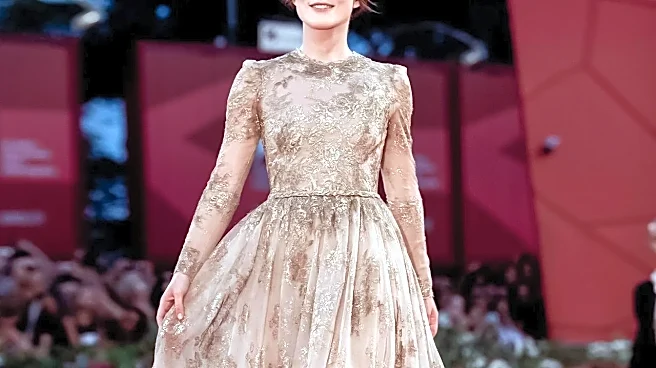
This year's Emmys red carpet was a masterclass in precision. We saw an array of beautiful, expensive, and technically perfect gowns. There were elegant column dresses, tastefully embellished suits, and classic Hollywood silhouettes that were impossible
to fault. Yet, scrolling through the photos, a sense of déjà vu settles in. The looks, while stunning, feel safe and interchangeable. This isn't a critique of the individual stars, but of a broader trend where red carpet dressing has become an exercise in risk mitigation. The primary goal is no longer to make a statement, but to avoid the dreaded "worst-dressed" list. The result is a parade of quiet luxury and brand-approved elegance that is beautiful but rarely memorable. The commentary following the 2026 Emmys reflected this, with many noting a lack of sartorial risk-taking. While there were standout moments, the overall mood was one of careful curation rather than bold self-expression. It’s a landscape engineered for pleasantness, not personality.
The Stylist as Brand Manager
The shift towards red carpet perfection isn't accidental; it's the result of a highly professionalized system. The celebrity stylist, once a background player, is now a central architect of a star's public image. Their job extends beyond just picking a nice dress. They are brand managers, negotiating with powerhouse luxury labels who want their gowns showcased in the best possible light. A celebrity's look is now a key part of their career strategy, a form of labor that involves creating a consistent and marketable self-brand. This system incentivizes safety. A controversial or divisive look can jeopardize lucrative brand partnerships, while a classic, elegant choice reinforces a celebrity's status as a reliable ambassador. The pressure is immense, as every outfit is instantly dissected on social media, where any misstep risks becoming a meme. Consequently, the creative, sometimes chaotic, process of getting dressed is replaced by a strategic, market-driven one.
When 'Bad' Taste Was Good TV
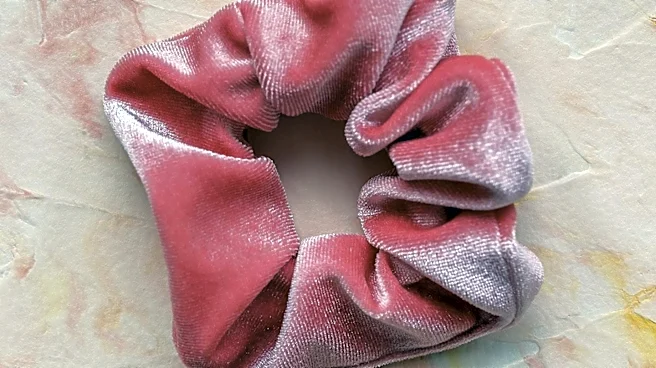
It’s worth remembering a time when red carpets were less predictable. Think of Sarah Jessica Parker's feathered Oscar de la Renta tutu dress at the 2000 Emmys, a direct nod to her character, Carrie Bradshaw. Or consider the wonderfully weird and personal choices of the past, like Barbra Streisand's pink velvet cape or Eva Longoria's fringed minidress. These looks weren't always universally praised. Some were derided. But they were interesting because they had a point of view. They gave us a glimpse of the wearer's personality, their whims, or even their glorious miscalculations. These outfits created tension—the push and pull between personal taste and formal dress codes. Even the looks that famously "missed the mark," like Shailene Woodley's much-debated multi-part ensemble at the 2026 Emmys, generate more conversation and interest than a dozen safe black gowns. They remind us that fashion is supposed to be fun and, at times, a little weird.
Finding the Beauty in a Little Chaos
The current environment has cultivated a hunger for something more authentic. Critics and fans alike have praised stars who occasionally sidestep the hyper-polished machine. Odessa A'zion's decision to wear a vintage Jean Paul Gaultier suit to the Emmys, reportedly without a stylist, was celebrated for its genuine, personal feel. It wasn't about being perfect; it was about being herself. The same goes for menswear, where figures like Alan Cumming have long played with fashion on the carpet. The goal isn't to champion disastrous dressing, but to appreciate the magic that happens in the space between perfect and personal. A look that feels slightly off-kilter, a little too bold, or just uniquely individual is often the one that sticks in our cultural memory long after the perfectly pleasant ones have faded.