





Directing Traffic: Setting the Wall
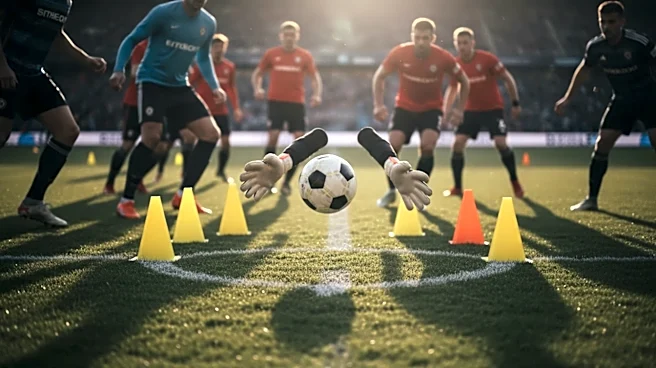
The most visible part of the keeper’s job on a free kick is organizing the defensive wall. This isn't just a random lineup of players; it's a carefully constructed barrier designed to take away the easiest shot. The keeper becomes a field conductor, using
a mix of hand signals and sharp, concise commands to position their defenders. They dictate the number of players in the wall and line them up to cover the near-post side of the goal, effectively daring the shooter to attempt a more difficult shot over or around the barrier. Like a traffic officer arranging barricades, the keeper is controlling lanes, managing angles, and making the attacker's route to goal as congested and difficult as possible. This organization has to happen in seconds, all while the keeper assesses the taker's angle and potential threats.
Managing Congestion: Organizing the Box
On a corner kick, the six-yard box becomes soccer's most chaotic intersection. Multiple attackers and defenders cram into a tiny space, all with eyes on the incoming ball. Here, the goalkeeper’s job is to prevent a multi-car pileup. They are responsible for organizing the entire defensive structure, assigning marking responsibilities with pointed fingers and shouts. They direct some players to mark zones and others to man-mark specific threats. The keeper has the best view of the field and must act as the eyes and ears for their defenders, shouting commands like "Man on!" to alert a teammate to a lurking opponent or assigning players to guard the front and back posts. This constant communication is vital to maintaining order amidst the chaos and preventing an attacker from getting a free header on goal.
Clearing the Intersection: Claiming the Cross
Once the ball is in the air, the goalkeeper faces their most critical decision: stay or go. Staying on the goal line means trusting the defenders to clear the danger. But the boldest keepers take control themselves. When they decide to come for the ball, they must be decisive. A loud, commanding shout of "Keeper!" cuts through the stadium noise, acting as a siren that tells every other player—friend and foe—to clear out. This one word turns a 50/50 ball into their possession. In that moment, they are like an officer stepping into the middle of an intersection, arms raised, stopping all traffic to allow a crucial vehicle through. They must time their run perfectly, navigate through traffic, and leap to claim the ball at its highest point, effectively ending the threat before a shot can even be taken.
Reading the Flow: Anticipation and Authority
Beyond the physical actions, the goalkeeper’s role is intensely mental. They must read the flow of the play, anticipate the kicker's strategy, and exude confidence. An unsure keeper creates panic, but a calm, authoritative presence gives the entire defense confidence. They analyze the opponent's setup: Is it an inswinger or an outswinger? Are they setting up for a short corner? This intelligence gathering informs their own positioning and the instructions they give. Their constant vocal presence, directing the defensive line and adjusting on the fly, ensures everyone is prepared for the initial cross and the chaotic moments of a potential second ball. They don't just react to the play; they attempt to dictate it, using their unique vantage point to manage risk and maintain control.