



The New Red Carpet Is the Street
Forget the hushed reverence of the runway. The real energy of Paris Haute Couture Week now happens outside, on the pavement. Before a single gown is seen, a different show unfolds: a roaring, chaotic, and incredibly visible display of modern fandom. This
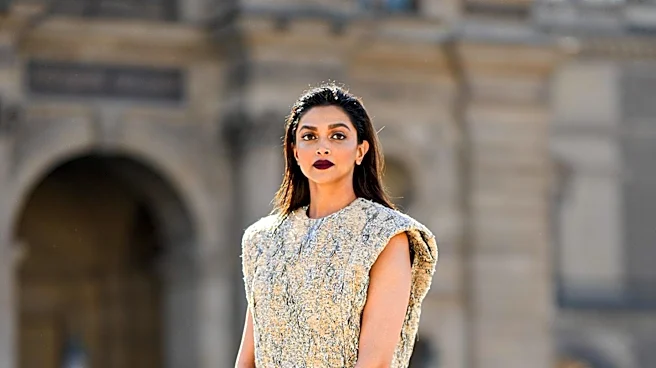
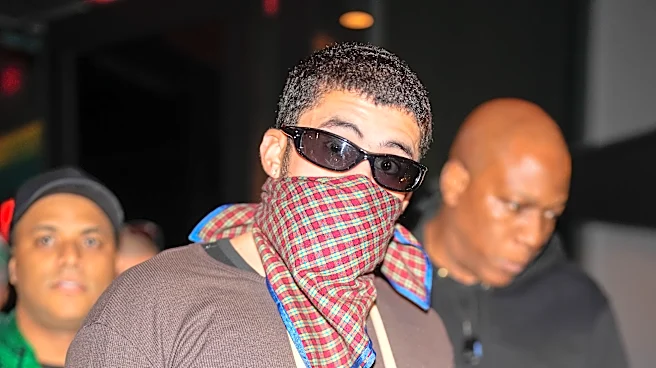
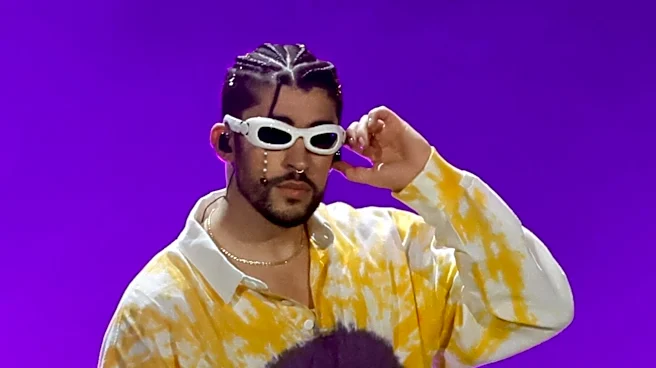
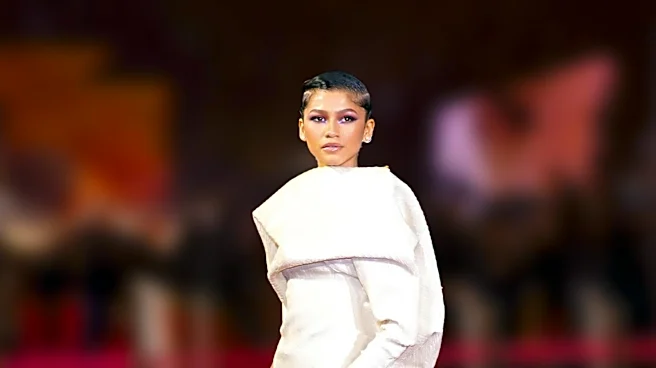
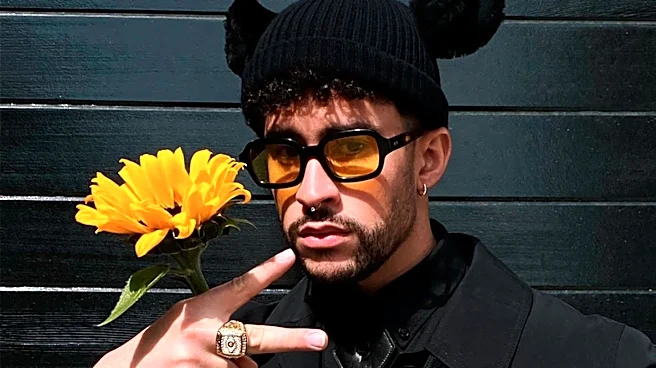
week alone, crowds gathered for a glimpse of celebrities like Zendaya, Sabrina Carpenter, and Bad Bunny at shows for Dior and Schiaparelli. But the phenomenon reaches its zenith with the arrival of K-pop and Thai entertainment superstars. Fan groups, highly organized on social media, track their idols' every move, transforming the areas outside venues into seas of cheering supporters. When stars like Blackpink's Lisa or members of Stray Kids arrive, the noise and energy rival a stadium concert, with every moment captured and instantly disseminated across platforms like TikTok and X (formerly Twitter). The arrival has become the main event, a viral moment factory that operates independently of the fashion it's meant to celebrate.
From Gatekeepers to Fan Service
What flipped the switch? Social media, primarily. High fashion once controlled its image through a top-down pipeline of glossy magazines and private shows. Today, that control is gone. A single viral clip of a celebrity's arrival can generate more buzz, impressions, and media value than an entire million-dollar runway presentation. Brands now understand that the front row is its own kind of runway, casting it with global ambassadors specifically chosen for their massive, engaged fanbases. The rise of K-pop and Thai celebrities has been a major catalyst, bringing with them fan communities known for their unparalleled organization and digital prowess. These fan armies work to get their idols trending, ensuring hashtags dominate social platforms for hours. For luxury houses, which once traded on an air of untouchable exclusivity, this represents a major strategic pivot toward accessibility and mass engagement.
A Calculated Chaos
For fashion houses, this new dynamic is a double-edged sword. On one hand, the fan-driven frenzy offers an explosion of free, organic publicity. Having Zendaya or a member of BTS as a brand ambassador doesn't just mean they wear your clothes; it means their millions of fans see the brand as part of their idol's identity. This can drive enormous brand awareness and desirability among younger, global consumers. On the other hand, it introduces an element of chaos that is fundamentally at odds with the curated perfection of luxury. The carefully constructed narrative of a collection can be completely overshadowed by the fan mania outside. There's a risk of diluting the brand's exclusive identity when it becomes fodder for fleeting TikTok trends. It's a constant negotiation: how to leverage the immense power of fandom without losing the mystique that makes luxury, well, luxury.
The End of Exclusivity?
What happens when the most talked-about part of a couture show isn't the couture? This trend signals a fundamental power shift. The audience, once a passive recipient, is now an active participant whose collective voice can dictate the success and relevance of a brand. The 'moment' is no longer just the finale walk; it's a fan-shot video of their favorite star waving from a car. Fashion, particularly at its highest echelon, has been fully absorbed into the broader entertainment ecosystem. The lines have blurred between a movie premiere, a concert, and a fashion show. They are all now platforms for fandom expression. While some may mourn the loss of quiet reverence, this new reality is undeniable. The velvet rope has, in a sense, been torn down by the sheer force of collective admiration, turning the once-impenetrable world of couture into a stage for everyone.