










The Legend of the Loudest Stadium
Before it was selected to host six matches in the 2026 FIFA World Cup, the venue currently known as GEHA Field at Arrowhead Stadium built a fearsome reputation in a different sport. Home to the NFL’s Kansas City Chiefs, it is widely considered one of
the most intimidating places for a visiting team to play, largely due to one factor: noise. The stadium and its famously passionate fans, known as Chiefs Kingdom, hold the Guinness World Record for the loudest crowd roar at an open-air sports stadium, a deafening 142.2 decibels recorded during a 2014 game against the New England Patriots. For context, that’s louder than a jet engine at takeoff. The sonic pressure is so intense that in a 1990 game, officials threatened to penalize the Chiefs if the crowd didn't quiet down to let the opposing quarterback call plays. This legendary atmosphere is the product of a perfect storm of architectural design and a relentless fan culture honed over decades.
An Architecture Built for Noise
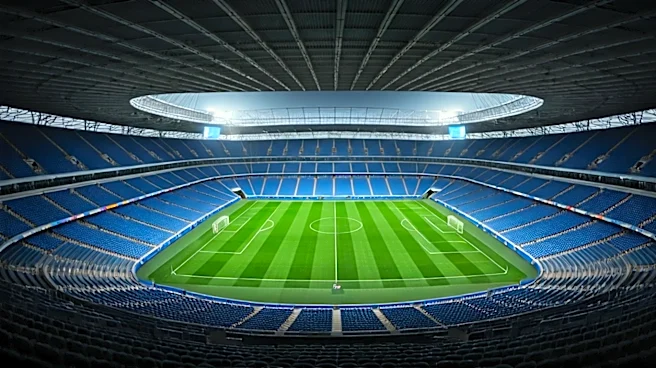
Arrowhead's intimidating acoustics are no accident. When the stadium was designed in the late 1960s, its architects prioritized excellent sightlines for football, which had a powerful, unintended consequence for sound. The stadium features a continuous concrete seating bowl with a steep rake, meaning the upper decks are angled sharply downward. This geometry, combined with the reflective nature of the concrete, traps sound and funnels it directly onto the field instead of letting it escape into the sky. The circular design and the way the upper sections overhang the lower bowl further concentrate the noise, creating an echo chamber effect. Unlike many multi-purpose stadiums of its era, Arrowhead was built specifically for football, resulting in a tight, enclosed feeling that makes its 76,416-spectator capacity feel and sound much larger.
The Human Element: A Fanbase Trained to Roar
While the stadium's design provides the instrument, the fans are the orchestra. An acoustical consultant who studied the stadium estimated that the building's design contributes only about 5 to 10 percent to the perceived loudness. The rest comes from the people. Chiefs fans have developed a strategic approach to their noise-making, understanding the crucial moments in an American football game—like an opponent’s third down—to unleash their full vocal power to disrupt offensive communication. This synchronized, game-aware roaring is a learned cultural behavior. The question for the World Cup is whether a more diverse, international crowd, including neutral observers and corporate guests, can match that unified intensity. Recent reports during the tournament's opening weeks show Kansas City has enthusiastically embraced the global event, but replicating the specific conditions of an NFL rivalry is a tall order.
A Different Kind of Crowd
A World Cup group stage match presents a very different social dynamic. Instead of a stadium filled almost entirely with hometown fans, the crowd will be a mix of supporters from two different nations, local Kansas Citians eager to see a World Cup match, and neutral fans from around the world. FIFA also allocates a significant number of tickets to sponsors and dignitaries, who may not participate with the same fervor. While fan groups for nations like Argentina and the Netherlands are known for their passionate traveling support, a group stage game between, for example, Tunisia and the Netherlands might not inspire the same single-minded, stadium-wide roar as a Chiefs divisional playoff game. The sound may be loud and passionate in sections, but achieving a unified "wall" of sound will be the ultimate test.
What It Means for the Game on the Pitch
For the players, a truly loud stadium is more than a distraction; it’s a tactical obstacle. Excessive noise can drown out a captain’s instructions, prevent midfielders from communicating with their back line, and create a general sense of chaos and pressure. This can lead to missed assignments, delayed reactions, and a tangible home-field advantage. While undergoing renovations to widen the field for FIFA regulations, the stadium's core acoustic structure remains. If any crowd can unlock its potential during the tournament, it could provide a significant edge to the team that harnesses the energy. The stadium is set to host four group stage games, a Round of 32 match, and a crucial quarterfinal, where the stakes—and hopefully the volume—will be at their peak.