







The Agonizing Walk
It begins with the walk. That lonely, 50-yard journey from the halfway line to the penalty spot feels like an eternity. For the player, this is where the mental battle is often won or lost. Sports psychologists identify two primary mindsets here: a “threat”
state versus a “challenge” state. In a threat state, the player is overwhelmed by the fear of failure. Their focus narrows, muscles tighten, and technique becomes rigid. They see the booing crowd, the giant goalkeeper, and the weight of their nation's hopes. Conversely, a player in a challenge state sees an opportunity to be a hero. They focus on the process—picking their spot, their breathing, the contact with the ball. They embrace the pressure. Studies show that players who rush this walk, avoiding eye contact and looking down, are significantly more likely to miss. Those who take their time, chest out and head up, are programming themselves for success before the ball is even placed on the spot.
The Goalkeeper’s Mind Game
While the shooter is the protagonist of this mini-drama, the goalkeeper is the ultimate antagonist—and they have a massive psychological advantage. No one expects a keeper to save a penalty; a perfectly placed shot is theoretically unstoppable. This frees them from the burden of expectation. Anything they do is a bonus. The best goalkeepers use this freedom to play games. They might stall, fidget with their water bottle, point to one side of the goal, or offer a sly grin. Each action is designed to disrupt the shooter's routine and plant a seed of doubt. The keeper’s goal isn’t just to guess correctly; it’s to make the shooter second-guess themselves. By making the goal seem smaller and their own presence larger, they can shrink the shooter’s confidence until a routine kick becomes a monumental task.
The First Kick and the Spiral Effect
The first kick sets the tone for everything that follows. If the first taker for a team scores, it sends a wave of confidence down the line. It tells the next player, “This is doable. We’ve got this.” The pressure on the opposing team’s first taker immediately ratchets up. They are now kicking to equalize, not to take the lead. But if that first kick is missed—either saved or sent sailing over the bar—the effect is venomous. The shooter's dejection is visible to everyone, including their own teammates waiting at the center circle. Suddenly, a tangible fear infects the group. Doubt spreads. The next player walks to the spot not with the hope of scoring, but with the desperate need to avoid the same failure. This single event can trigger a negative spiral that is incredibly difficult to break.
The Power of Emotional Contagion
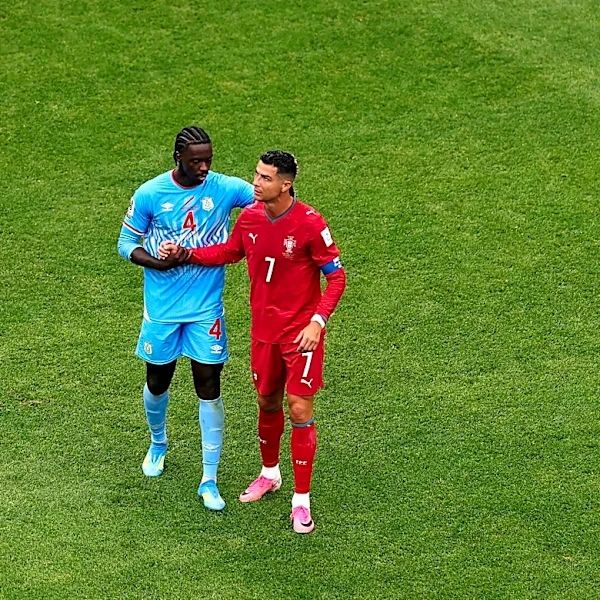
Sports psychologist Geir Jordet, the world's leading expert on shootouts, has extensively studied what happens *after* a kick. His findings reveal that a player's celebration is a powerful psychological weapon. When a player scores and immediately turns to celebrate intensely with their teammates—pumping their fists, roaring with passion—it has a profound positive effect. It boosts the morale of the next shooter and visibly intimidates the opposition. Conversely, a player who scores but shows only muted relief or quickly turns away fails to transfer that positive energy. The emotional high of a successful kick is a resource, and the best teams exploit it. The same is true for misses. A goalkeeper who makes a save and celebrates wildly amplifies the sense of failure for the opposing team, making the next walk to the spot feel even heavier.
The Final Moment of Truth
It all culminates in the fifth kick and, if necessary, sudden death. This is where legacies are made or broken. If a player steps up with a chance to win the entire shootout, they are in a pure “challenge” state—it’s all opportunity. But if they are kicking to stay in the competition, the “threat” state is almost unavoidable. The fear of being the one who lost it all is immense. This is why you often see star players, who are technically the most skilled, crumble under the pressure of a must-score kick. Their status magnifies the consequences of failure. At this stage, the shootout is no longer about who has the better technique. It’s about who can best manage the crushing psychological weight of a single moment, with the collective joy or despair of millions resting on the swing of their foot.