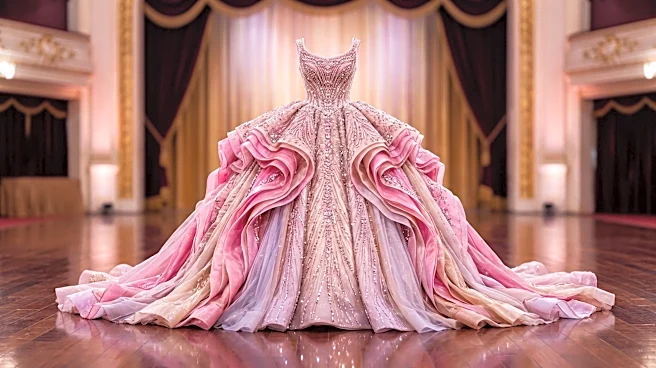





A grand wedding in the Emerald City seems like the ultimate fairy tale moment for Glinda the Good. But in the land of Oz, nothing is that simple. Her union with Fiyero is less about love and more about power, propaganda, and public perception.
A Fairy Tale with an Agenda
In the glittering
world of Oz's high society, appearances are everything. For Glinda, whose entire identity is built on being popular and adored, a marriage to the handsome and carefree Prince Fiyero is the ultimate social victory. It cements her status as the darling of the Emerald City. However, this seemingly perfect union is publicly announced by Madame Morrible without Fiyero's consent, transforming a personal relationship into a state-sanctioned event. It’s the first sign that this wedding serves a purpose far beyond the happiness of the couple involved. It becomes a tool, and Glinda, willingly at first, becomes a key player in a much larger game.
The Face of a Corrupt Regime
By the time of the engagement, the Wizard's rule over Oz is built on a foundation of lies. He has no real magic and maintains power by scapegoating the Animals, a sentient minority he is systematically stripping of their rights and voices. To distract the public from this oppression, he needs a charismatic, unimpeachable figure to act as the face of his regime. Glinda, with her sparkling personality and public adoration, is the perfect candidate. Her engagement to Fiyero—now the Captain of the Guard tasked with hunting the 'Wicked Witch' Elphaba—creates a powerful narrative: a beautiful, state-endorsed couple standing for goodness and order against a manufactured enemy. Their wedding is the ultimate PR move for a failing government.
A Weapon Against Elphaba
The wedding's most crucial political function is to isolate and demonize Elphaba. By framing Glinda as 'Glinda the Good,' the Wizard and Madame Morrible create a stark contrast with the now-branded 'Wicked Witch of the West'. Glinda’s happy, public-facing life is weaponized to make Elphaba’s rebellion seem bitter and destructive. The message to the citizens of Oz is clear: support the Wizard, celebrate Glinda, and fear the green girl who threatens their perfect world. Fiyero’s role in this is complicated; he accepts his position as Captain of the Guard and goes along with the engagement primarily to get closer to the state apparatus and find Elphaba, whom he secretly loves. This turns the wedding into a stage for a deeply personal and political betrayal.
The Golden Cage of 'Goodness'
While the wedding is a political triumph for the Wizard, it represents a profound personal tragedy for Glinda. She is achieving everything she ever thought she wanted—status, a prince, and the love of the people—but it comes at the cost of her conscience and her true friendships. She becomes a pawn, living a beautiful lie while haunted by her complicity in the regime's cruelty and the smearing of her former best friend. The song 'Thank Goodness' captures this perfectly: she publicly celebrates her perfect life while privately acknowledging the immense price she has paid for it. The wedding, therefore, isn't a celebration of love but the final lock on her gilded cage, forcing her to be 'Glinda the Good' even as she questions what 'goodness' truly means.