



The Blueprint of Broken Hearts
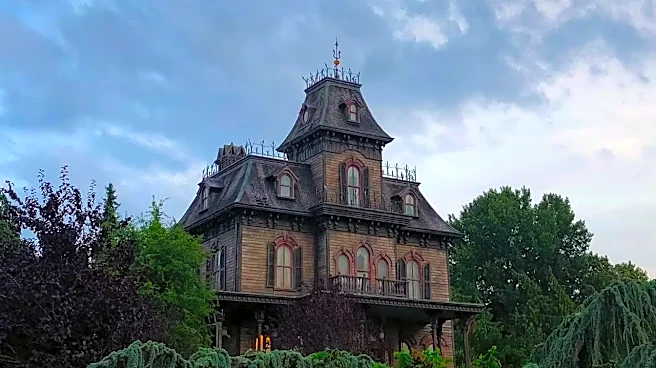
The perfect entry point into Flanagan’s signature style is The Haunting of Hill House. While ostensibly a ghost story about a family in a malevolent mansion, its true horror lies in how the Crain family is haunted by their past. The series frames generational
trauma not as a subtext but as the literal monster. Each of the five siblings embodies one of the classic stages of grief, a conscious choice that turns their supernatural encounters into external manifestations of their inner pain. The infamous Bent-Neck Lady isn’t just a jump scare; she’s a walking, terrifying metaphor for one character's lifelong depression and trauma. In an interview, Flanagan explained that horror provides a safe space to explore difficult subjects like death and loss metaphorically, allowing for catharsis. He has noted that the show itself became a therapeutic outlet for him to process his own experiences with grief.
From Personal Pain to Systemic Decay
Flanagan expanded this thematic obsession from the individual to the communal in subsequent projects. Midnight Mass explores a dying island town's collective grief over lost faith, economic ruin, and personal regret. The arrival of a charismatic priest and a mysterious creature offers a horrifying form of salvation, using the vampire mythos to dissect the dangers of blind faith and the desperation born from loss. Then came The Fall of the House of Usher, a scathing critique of a corrupt pharmaceutical dynasty modeled on real-world tragedies. Here, the horror isn't just about ghosts; it's about the moral rot of a family whose legacy is built on the suffering of millions. The grisly, Poe-inspired deaths of the Usher children serve as a brutal, karmic reckoning for their sins, turning the family's story into a Grand Guignol-style morality play where grief is intertwined with guilt and consequence.
The Ghosts We Already Carry
In the “Flanaverse,” a ghost is rarely just a spooky apparition; it is a memory, a regret, or a wish given terrifying form. His films and shows propose that the most frightening things are not the monsters that jump out of the darkness, but the ones we carry inside us. This idea is central to The Haunting of Bly Manor, where the horror is deeply connected to memory, dementia, and the pain of being forgotten. In Oculus and Doctor Sleep, childhood trauma is a literal, recurring phantom that must be confronted. Flanagan has stated that he sees the horror genre as a place to explore our biggest fears and insecurities in a safe way. By grounding the supernatural in real, relatable emotional pain, the scares become more than just a cheap thrill—they become a necessary part of the characters' emotional journey.
Making Fear Feel Cathartic
Ultimately, Flanagan’s work doesn’t lose the scares because of its emotional weight; it enhances them. By dedicating so much time to character development and their internal struggles, he ensures the audience is deeply invested. When a character we’ve come to understand and ache for is put in peril, the stakes feel infinitely higher. The jump scare hits harder because we care about who is jumping. This approach transforms the viewing experience from a passive one of waiting for the next fright to an active one of emotional participation. The horror becomes a vehicle for catharsis. Flanagan himself described the genre as "light exercise for our courage," a way to confront darkness and emerge braver. His stories don't just aim to scare you for 90 minutes; they want you to feel something profound, to maybe even heal a little, long after the final credits have rolled.