





From the Ocean to the Runway
First, let's clear up what we mean by “scuba fabric.” While it evokes images of deep-sea diving suits, the material storming the Miami runways is a fashion-forward interpretation. Technically known as neoprene, it’s a synthetic rubber foam sandwiched
between layers of fabric, usually a polyester or nylon knit. In fashion, “scuba” has become a catch-all for this and similar high-density, double-knit fabrics that mimic its signature qualities: thickness, a smooth surface, and a structured, springy feel. Unlike traditional Lycra or spandex blends that are designed to stretch and cling, scuba fabric has body and memory. It doesn't just conform to the wearer; it holds its own shape. This inherent stiffness is precisely what makes it so revolutionary in a category historically defined by its opposite. Designers are leveraging this material not for its insulating properties, but for its architectural potential, turning swimwear into a form of wearable sculpture.
Sculpting a New Silhouette
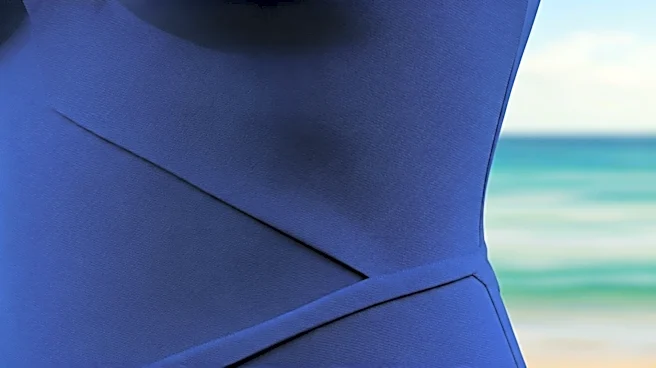
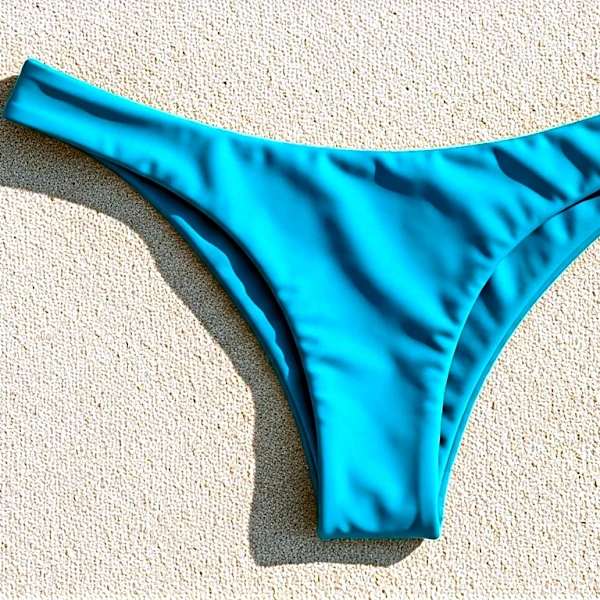
The primary effect of scuba fabric is its ability to create structure where there was once none. Think of a classic string bikini; its form is entirely dependent on the body beneath it. A scuba bikini, by contrast, can feature sharp, geometric edges, stand-up ruffles that don’t flop, and bold, off-the-body flounces that create an entirely new outline. The fabric acts like a soft armor, smoothing and sculpting the torso rather than just covering it. This structural integrity allows for design elements previously impossible in swimwear. We’re seeing one-pieces with dramatic peplums, tops with molded, architectural cups that require no underwire, and bottoms with laser-cut details that hold their crisp, clean lines without fraying or rolling. The result is a silhouette that is powerful, deliberate, and often more forgiving. By creating its own lines, scuba fabric can engineer an hourglass shape, create volume, or simply provide a flawlessly smooth canvas, moving swimwear away from delicate fragility and toward bold confidence.
A Canvas for Color and Print
Beyond its shaping capabilities, scuba fabric has a unique relationship with color. Its dense, matte surface absorbs light differently than shiny spandex, resulting in incredibly rich, saturated hues. The vibrant neons, jewel tones, and bold primary colors that define the Miami aesthetic look especially potent on neoprene. The fabric’s thickness prevents colors from becoming washed out or distorted when stretched, ensuring that a cobalt blue stays a true cobalt blue, on and off the body. This also makes it an ideal canvas for prints. The smooth, stable surface is perfect for high-definition digital printing. Intricate patterns, photographic prints, and graphic designs are rendered with a sharpness and clarity that can be lost on thinner, more textured materials. For designers at Miami Swim Week, an event known for its celebration of print and color, scuba provides the perfect medium to make their artistic vision pop with maximum impact on the runway and by the pool.
The Perfect Fit for Miami's Vibe
It’s no coincidence that this trend has found its epicenter at Miami Swim Week. The city's aesthetic is a blend of Art Deco architecture, high-octane glamour, and unapologetic boldness. Scuba fabric swimwear fits right in. It’s not for the wallflower; it’s for making a statement. These suits feel less like beach basics and more like pieces of a curated, high-fashion wardrobe. The rise of scuba also aligns with the broader athleisure trend, where the lines between sportswear, activewear, and fashion have blurred. Neoprene, with its roots in watersports, lends an athletic, high-performance edge to high-fashion swimwear. It looks and feels substantial, modern, and purposeful. It’s swimwear that’s designed to be seen, photographed, and talked about—the very essence of an event like Miami Swim Week.