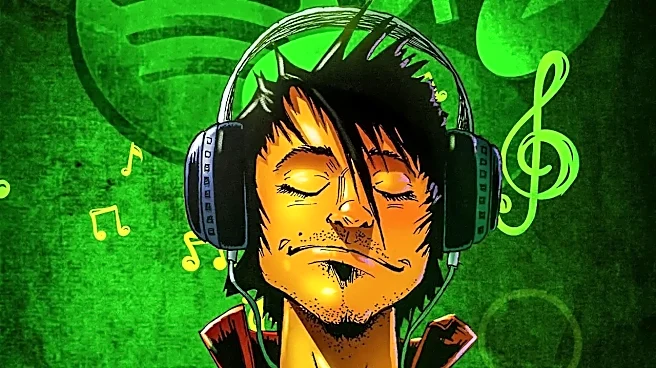





As Spotify prepares to drop its 2026 Wrapped summary, brace yourself for a familiar surprise: the return of your high-school soundtrack. It's not just you. This annual flood of musical nostalgia is a cocktail of human psychology and smart tech.
The Undeniable Pull of Nostalgia
There's
a powerful psychological reason we retreat to the music of our youth. Music-evoked nostalgia is a real phenomenon, acting as a potent mood-booster and a buffer against stress. Research shows that the songs we hear during our adolescence and early adulthood—a period known as the 'reminiscence bump'—are particularly memorable and emotionally charged. These tracks are hardwired into our sense of identity and personal history. When life feels chaotic or uncertain, revisiting the anthems that scored our teenage years can provide a sense of comfort, connection, and even youthfulness. Listening to a song from a high-school dance or a summer road trip activates the brain's memory and reward circuits, triggering a dopamine release that makes us feel good. It's a simple, effective way to self-soothe, making those nostalgic listening sessions more than just a guilty pleasure; they're a form of emotional regulation.
The Algorithm Never Forgets
While our brains are primed for nostalgia, Spotify's algorithm is designed to notice. The platform's recommendation engine is built on a complex system of machine learning that analyzes everything you do. It uses collaborative filtering, which finds patterns by seeing what people with similar tastes enjoy, and content-based filtering, which analyzes the raw audio of a song—its tempo, key, and mood. For Wrapped, every stream over 30 seconds counts, from January until a cutoff in mid-November. This means that a few sentimental deep dives into your old playlists can have a significant impact. The algorithm doesn't distinguish between your 'serious' new music discovery and that one afternoon you spent listening to 2000s pop-punk. It simply sees engagement, logs the data, and concludes you want more. This creates a feedback loop where the platform serves you more old favorites, you listen, and suddenly that 'ironic' jam is a contender for your top songs of the year.
New Features That Resurface the Past
In 2026, Spotify's tech has gotten even better at digging up your musical ghosts. Features like 'Daylist' are specifically designed to be hyper-personalized and dynamic, creating playlists that shift with your mood throughout the day. It analyzes your time-of-day listening habits and matches them with thousands of micro-genres, resulting in oddly specific playlists like 'early morning hip-hop' or 'nostalgic indie rock afternoon'. If you tend to listen to throwback tracks while cooking dinner or during your commute, Daylist will notice and start serving them to you proactively. Other features like 'Blend', which merges your taste with a friend's, can also reintroduce old songs into your rotation if your friends are on a similar nostalgia kick. Even new AI-powered features, like a conversational assistant that lets you ask for music with natural language prompts like 'play nostalgic rock,' make it easier than ever to summon the past.
Taking Back Control (If You Want To)
For years, listeners have complained about sleep playlists, kids' music, or that one embarrassing song played on repeat skewing their annual results. Recognizing this, Spotify has recently rolled out more user controls. A key feature introduced ahead of the 2026 Wrapped allows you to 'Exclude from your taste profile'. By selecting this option for a track or an entire playlist, you can tell the algorithm to ignore it when making recommendations and compiling your Wrapped summary. This gives you the power to curate your musical identity, ensuring that your public-facing Wrapped story reflects what you truly see as your year in music. So, if you'd rather your high-school emo phase stay in the past, you now have an edit button. But for many, seeing those old tracks is part of the fun—a digital time capsule that's become a beloved, if slightly cringey, annual tradition.