






The Shape of a Movie Star
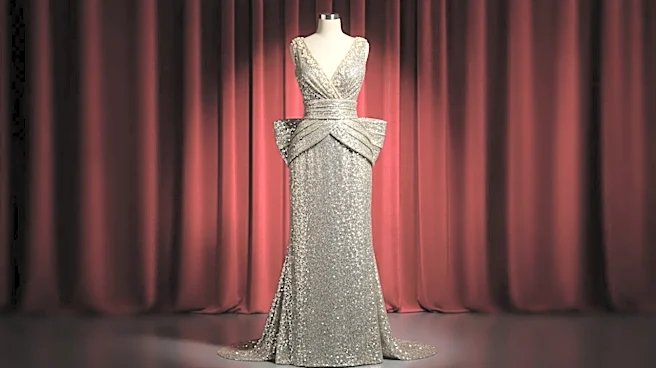
Think of the most unforgettable Oscars fashion moments. Chances are, a specific shape comes to mind: the statuesque, figure-hugging gown that skims the body before flaring out at the bottom. This is the mermaid, or fishtail, silhouette. It’s a red-carpet
staple for a reason—it radiates confidence, glamour, and drama. From Michelle Williams's saffron Vera Wang in 2006 to Marion Cotillard's Jean Paul Gaultier fish-scale gown in 2008, the silhouette is synonymous with A-list prestige. It’s designed to create a dramatic hourglass figure, hugging the chest and waist, and is a go-to for stars looking to make a timeless, elegant statement. This shape feels so intrinsically linked to Hollywood that it seems born of the modern red carpet itself. But its roots go back much, much further.
The Screen Sirens of the 1930s
The true origins of this body-conscious shape can be traced to the 1930s, the heart of Hollywood's Golden Age. French designer Marcel Rochas is often credited with creating the first mermaid-style gowns during this period. His designs were popularized by a 1933 issue of Vogue, introducing a silhouette that was radically different from the looser styles of the 1920s. In Hollywood, this evolution was accelerated by studio costume designers like MGM's Adrian, who understood that clothing on film was about building a persona. They utilized the bias cut, a technique perfected by Madeleine Vionnet where fabric is cut on the diagonal grain, allowing it to cling and flow over the body like liquid. Actresses like Jean Harlow became icons in these slinky, satin gowns that turned them into on-screen goddesses. The silhouette was about celebrating the natural form, creating a look that was both elegant and undeniably sensual.
The Bombshells of the 1950s
If the '30s created the slinky outline, the 1950s perfected the structured, dramatic hourglass. Following the austerity of World War II, Christian Dior’s 1947 “New Look” collection was a revolution. It featured rounded shoulders, a tightly cinched waist, and extravagant, full skirts, celebrating an opulent and idealized femininity. This new emphasis on an exaggerated hourglass figure became the definitive look of the decade. On the red carpet and on screen, stars like Marilyn Monroe and Grace Kelly embodied this bombshell glamour. The mermaid gown evolved, incorporating the era's love for structure with boned bodices and stiffer fabrics that sculpted the body before flaring into a dramatic trumpet skirt. This silhouette became a favorite for Hollywood actresses of the '50s, cementing its status as the ultimate symbol of cinematic allure. A famous 1950 Vogue photo of model Lisa Fonssagrives-Penn in a mermaid gown helped skyrocket the style's popularity.
Why Modern Hollywood Still Borrows a Classic
So why does this nearly century-old silhouette remain a red-carpet fixture? It’s not simply a lack of new ideas; it’s a deliberate act of communication. Wearing a gown that evokes the spirit of Grace Kelly or Jean Harlow is a way for a modern star to connect with Hollywood’s powerful mythology. It’s a visual shorthand for timelessness, elegance, and serious star power. In an age of fleeting micro-trends, the classic glamour of Old Hollywood offers something enduring. When a celebrity chooses a mermaid gown, they are stepping into a lineage of legends, signaling that they belong in the pantheon of Hollywood royalty. The silhouette is more than just a dress—it's a tribute, a statement, and a piece of living history, proving that the most powerful looks are the ones that tell a story.