


The Illusion of Impact
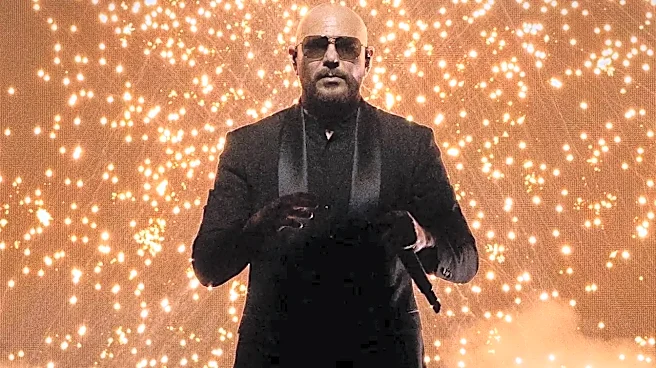
Fireballs and spark showers are the live performance equivalent of a cinematic jump scare. They grab your attention with a primal jolt, a burst of heat and light that feels momentarily thrilling. But it’s a generic thrill. Pyrotechnics are an off-the-shelf
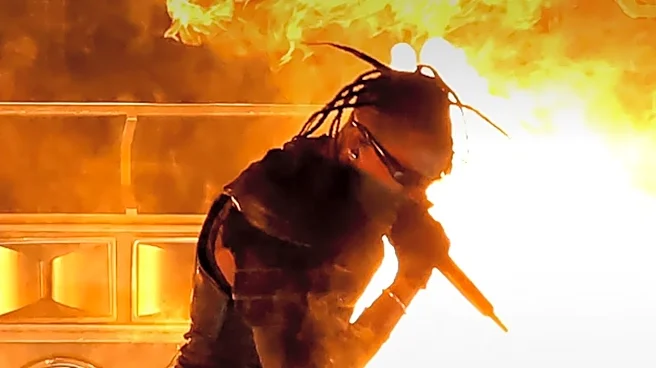
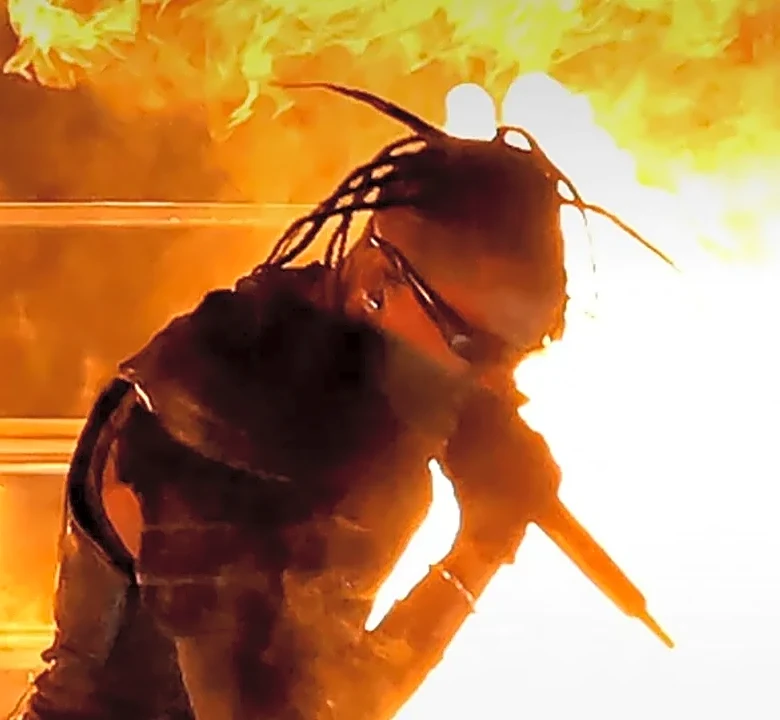
solution for “epic,” a way to punctuate a chorus or signal a crescendo without having to earn it musically or emotionally. Think of the countless performances you’ve seen that ended with a perfectly timed explosion. Now, try to remember the artist, the song, or anything else about it. More often than not, the effect is more memorable than the art it was meant to enhance, which is the ultimate sign of a hollow performance. Kendrick Lamar’s 2017 medley of "DNA." and "HUMBLE." used literal fire, with ninjas leaping through flames, but it worked because the visuals matched the raw, confrontational energy of the music itself. The pyro wasn't the point; it was a reflection of the song's fury.
The Power of a Singular Idea
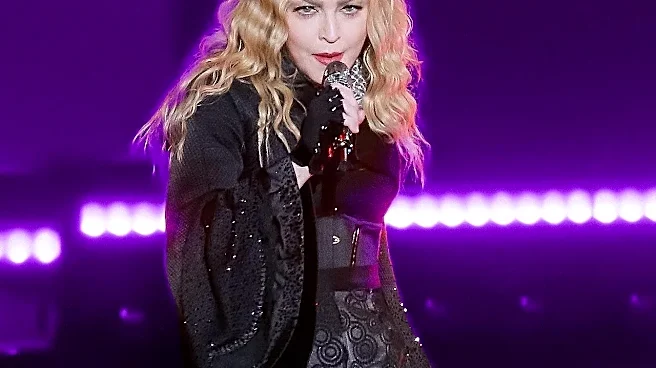
The moments that become VMA scripture are almost never about the budget for explosives. They are about a single, unforgettable concept. Madonna didn’t need pyro in 1984; she had a wedding dress and the audacity to roll around on the floor, single-handedly defining the VMAs as a space for provocation. Britney Spears’ 2001 performance of “I’m a Slave 4 U” is legendary for one reason: a live albino python draped over her shoulders. The image was so potent, so bizarrely captivating, that it’s been burned into pop culture history. Miley Cyrus and Robin Thicke's 2013 performance was a chaotic, uncomfortable fever dream remembered for a foam finger and a whole lot of twerking, generating endless discussion and cementing a new era for Cyrus. These moments are products of creative risk, not technical firepower. They tell a story and create a visual that can’t be replicated by a fireworks display.
Vulnerability as Spectacle
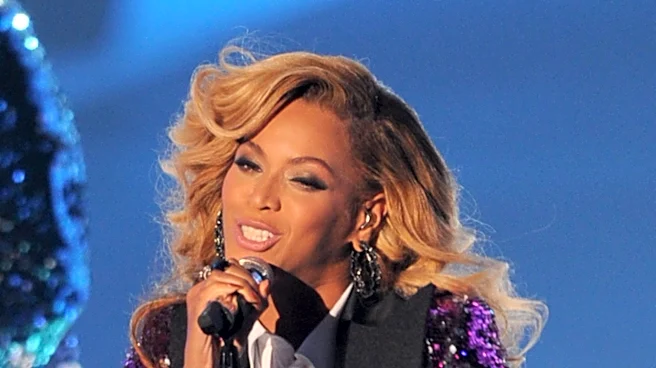
Conversely, some of the most powerful VMA sets have been defined by their starkness. They replace overwhelming spectacle with unnerving intimacy. In 2010, Kanye West returned to the VMA stage after his infamous interruption of Taylor Swift the year prior. Dressed in a striking red suit, he stood alone with a beat machine and delivered a raw, confessional performance of "Runaway." It was uncomfortable, emotional, and utterly magnetic. There were no fire jets, only the stark white light and the weight of his public apology-as-art. In 2011, Beyoncé performed "Love on Top" with pure, joyful energy, but the performance became truly iconic in its final seconds when she dropped the mic, unbuttoned her sequined tuxedo jacket, and revealed her pregnancy. It was a moment of genuine, personal revelation that no amount of stagecraft could ever hope to match.
When Grandeur Serves Artistry
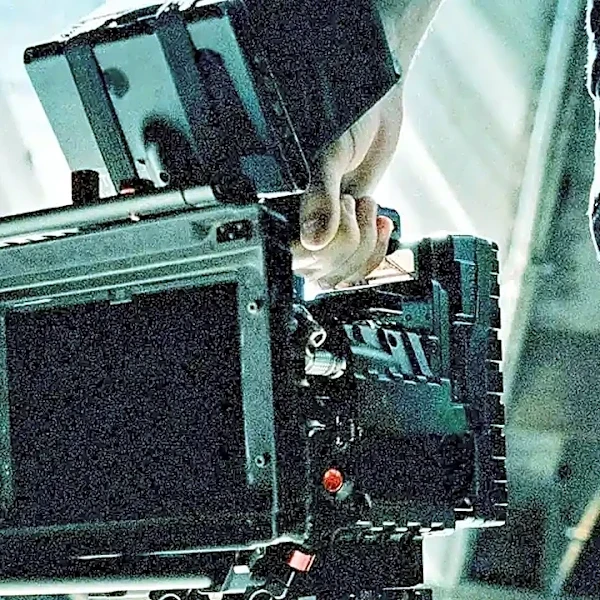
This isn't to say that large-scale productions are inherently bad. Spectacle can be breathtaking when it serves a larger artistic vision. Lady Gaga’s 2009 performance of “Paparazzi” was a masterclass in theatricality, culminating in her being “bloodied” and hoisted into the air, a shocking, gruesome statement on the costs of fame. The elaborate set and shocking finale weren't just for show; they were the narrative. Similarly, Beyoncé’s 16-minute medley of her album "Lemonade" in 2016 was a monumental production. It featured costume changes, intricate choreography, and powerful visuals, including the singer smashing a camera with a baseball bat. Yet, every element served the deeply personal story of heartbreak, anger, and empowerment at the album's core. The spectacle was immense, but it was always in service of the art, amplifying the emotional journey rather than distracting from it.