





The World's Oldest Film Festival
Founded in 1932 as part of the Venice Biennale, the festival is the original, the blueprint for all others. It predates its main rival, Cannes, which was established partly in response to Venice's political leanings in the late 1930s. This history gives
it an unmatched gravitas; for a director, debuting a film here is like passing a final exam, as Federico Fellini once suggested. Every screening happens in the shadow of nearly a century of cinema history.
The Iconic Water Taxi Arrival
There are no limousines pulling up to the main venue. In Venice, stars arrive by boat. The image of A-listers stepping off a sleek wooden water taxi onto the docks of the Lido is a defining part of the festival's unique glamour. It’s a moment of theater before the films even begin, a quintessentially Venetian blend of practicality and spectacle that you won't find at any other major festival.
The Golden Lion (Leone d'Oro)
The festival's top prize, the Golden Lion, is one of the most prestigious awards in cinema. Introduced in 1949 to replace the politically fraught 'Mussolini Cup,' it's named for the winged lion of St. Mark, the symbol of Venice itself. Winning the Golden Lion—as films like "Rashomon," "Brokeback Mountain," and "Joker" have—cements a film's place in history and often launches its journey toward Oscar success.
The Lido: A Seaside Cinema Escape
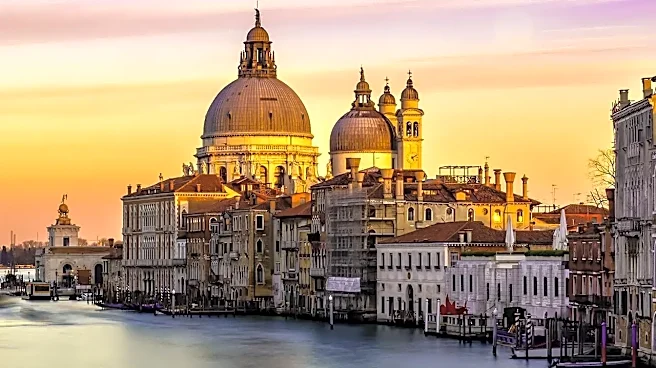
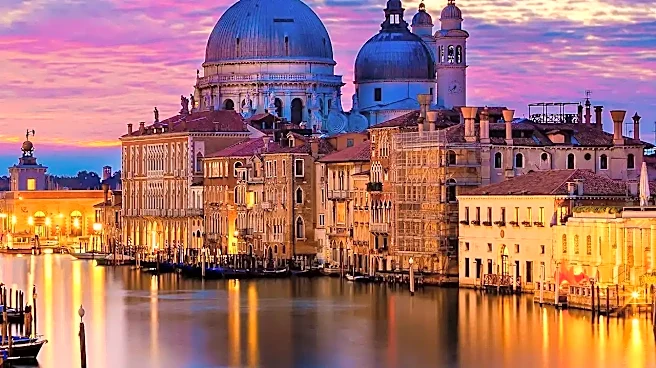
Unlike festivals set in bustling cities, Venice takes place on the Lido, a tranquil barrier island separating the Venetian Lagoon from the Adriatic Sea. This gives the event a unique, resort-like atmosphere. Attendees are just steps from the beach, and the main venues, like the historic Palazzo del Cinema and Hotel Excelsior, feel a world away from the tourist-packed St. Mark's Square, creating a focused, glamorous enclave for film lovers.
The Volpi Cups for Acting
Named for festival founder Count Giuseppe Volpi di Misurata, the Volpi Cups for Best Actor and Best Actress have been awarded since the 1930s. These prizes carry immense weight, honoring performances that are often more daring or artistically complex than those recognized by other major awards. Past winners include legends like Bette Davis, Toshiro Mifune, and Cate Blanchett, making the cups a true mark of an actor's craft.
The 'Madrina' or Host
Each year, the festival appoints a 'Madrina' (or sometimes a 'Padrino'), a host figure who is typically a renowned Italian actor or actress. This person officiates the opening and closing ceremonies, acting as the elegant master of ceremonies for the entire event. It’s a tradition that grounds the international festival in its Italian roots, adding a personal touch to the formal proceedings.
The Palazzo del Cinema
The festival's main headquarters is the Palazzo del Cinema, a modernist building constructed in 1937. Its imposing facade and grand Sala Grande screening room are where the most important premieres and ceremonies unfold. Expanded and renovated over the decades, the building itself is a piece of history, having weathered political turmoil and cultural shifts to remain the beating heart of the festival.
The Golden Lion for Lifetime Achievement
Beyond the competition, the festival honors cinematic legends with the Golden Lion for Lifetime Achievement. First officially awarded under this name in 1971, the prize has been given to giants of directing and acting, from Charlie Chaplin and Orson Welles in its early iterations to contemporary figures like Pedro Almodóvar, Julie Andrews, and George Clooney. It’s a moment for the festival to pay tribute to the masters who have shaped the art form.
A Launchpad for Awards Season
Timing is everything. Taking place in late August and early September, Venice is perfectly positioned as the unofficial kickoff to the fall awards season. A film that generates buzz here is immediately placed on the radar for the BAFTAs, Golden Globes, and Oscars. The festival’s highly curated selection means a Venice premiere is a strong vote of confidence from one of the world's most discerning platforms.
A Focus on 'Auteur' Cinema
While Hollywood blockbusters sometimes appear, Venice has long been a champion of auteur-driven, international, and art-house cinema. The festival's programmers pride themselves on a rigorous selection process that prioritizes artistic innovation and powerful storytelling over purely commercial concerns. This focus ensures that Venice remains a place of discovery, where new cinematic voices can share the stage with established masters.