


More Than a Concert
Anyone who has been to the Essence Festival of Culture in New Orleans can tell you it’s not just a series of concerts. It’s a pilgrimage. It’s been called a family reunion, a cultural touchstone, and a safe space to celebrate Black excellence, particularly
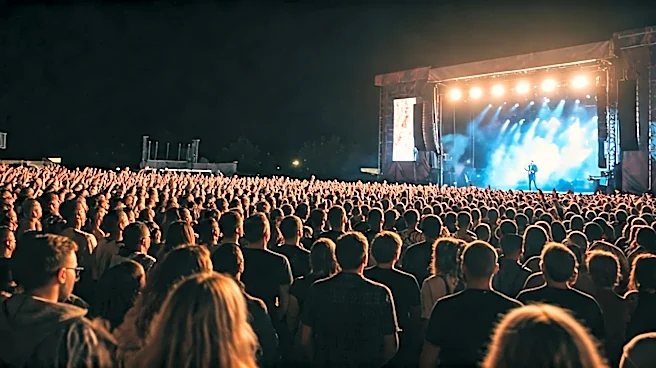
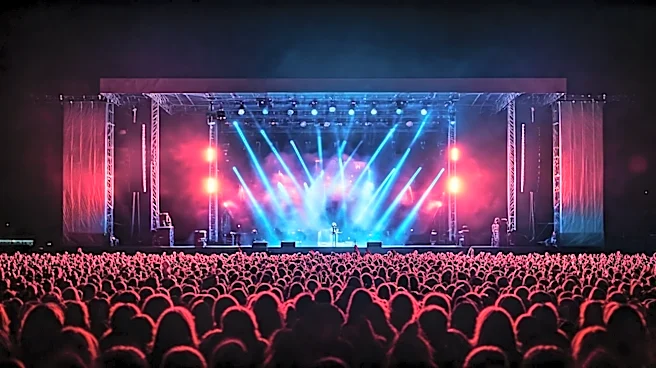
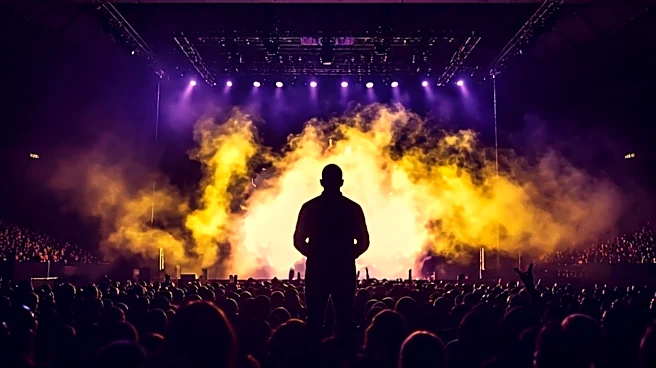
Black womanhood. [7, 8, 9] For days, the city becomes a hub of empowerment talks, culinary events, and activations celebrating every facet of the culture. [14] But at night, everyone makes their way to the Caesars Superdome. The evening concerts are legendary, featuring a mix of the hottest new artists and the icons who laid the groundwork. This year’s lineup is a perfect example, with stars like Cardi B and Kehlani sharing a bill with legends like Brandy, Monica, Babyface, and Patti LaBelle. [11, 12, 13] It’s a multigenerational affair by design, creating a space where different eras of Black music can exist in conversation with each other. [11]
The Nostalgia Time Machine
The feeling hits when one of those legacy acts takes the stage. It could be Babyface, whose songs have formed the blueprint for decades of R&B love stories. [11] Or maybe it’s the reunion of Brandy and Monica, whose rivalry and eventual collaboration defined a moment for an entire generation. [11, 13] Suddenly, the thousands of people around you fade away. The opening notes of a song you haven't heard in years transport you back to your childhood bedroom, a middle school dance, or a long car ride with friends. Psychologists call this music-evoked nostalgia. Music has a unique power to connect with the memory and emotion centers of our brain, like the hippocampus and amygdala. [2, 4] This is especially true for music we heard during our adolescence and early adulthood, a phenomenon known as the “reminiscence bump.” [1] Those formative years are when our identities are being shaped, and the music becomes part of that foundation. When you hear those songs again, your brain doesn't just remember the lyrics; it remembers who you were when you first loved them. [1]
The One-Sided Love Affair
This isn’t just about any old song, though. It’s about the person singing it. He was on your wall, the star of your daydreams. This is the power of the parasocial relationship: a one-sided bond where we invest emotional energy in a public figure who doesn’t know we exist. [16] Historically, these bonds were sometimes seen as unhealthy, but modern psychology recognizes them as a normal part of how we navigate the world, often helping to combat loneliness or boost self-esteem. [16, 19] Social media has only intensified these connections, giving us curated glimpses into celebrities’ lives that create a feeling of intimacy, even if it’s an illusion. [18, 19] Seeing that celebrity in the flesh—older, yes, but still possessing that same magic—feels like closing a loop. He’s not just a musician; he’s a marker of your own life's timeline. His journey, his survival in a tough industry, feels tied to your own.
Why It Hits Different at Essence
That powerful feeling of nostalgia is amplified a thousand times over in the specific context of Essence Fest. This is a space created to uplift and see Black women, who are so often marginalized elsewhere. [5, 7] It is, as one writer put it, a “soul-nourishing experience” and a place to “figuratively fill your cup.” [8] So when an artist who represented a pinnacle of Black style, cool, and romance in the 90s or 2000s stands on that particular stage, it’s about more than one person's crush. It becomes a collective affirmation. It says, “We were there. We are still here. Our culture, our memories, and our joy are valid and worthy of celebration.” It’s an intimate bonding experience, watching the music you love in the company of people who feel like family. [7] The emotion isn't just about him. It’s about seeing yourself and your community reflected in his success, all in a space designed to celebrate you.