

1. It Starts with Skin Prep, Not Makeup
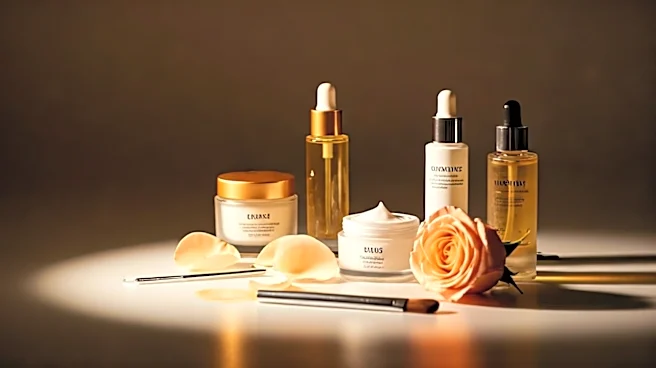
Pros know that bulletproof makeup isn't about caking on product; it's about creating the perfect canvas. The process begins long before a brush touches foundation. For humid, hot conditions, skin prep focuses on balancing moisture and controlling oil.
Instead of heavy creams, artists use lightweight, gel-based moisturizers and hyaluronic acid serums to hydrate without adding grease. A key step is often applying an oil-controlling or mattifying toner to the T-zone. This pre-emptive strike against shine ensures that the face remains velvety, not slick, giving primer and foundation something to grip onto for hours.
2. The Right Primer Is Non-Negotiable
Think of primer as the double-sided tape of the makeup world. It sticks to your skin and gives your foundation something to adhere to. For outdoor events, makeup artists almost exclusively reach for long-wear, mattifying, or pore-filling primers. Silicone-based formulas are particularly popular because they create a smooth, water-resistant barrier between your skin and your makeup. This barrier prevents skin’s natural oils from breaking down the foundation and stops sweat from making things slide. The primer is applied strategically, often concentrated in the T-zone and any other areas prone to shine or large pores.
3. Foundation Is Applied in Thin, Strategic Layers
The goal is 'skin,' not 'makeup.' Instead of applying one thick, heavy coat of foundation, artists build coverage using incredibly thin, almost transparent layers. They often use a damp beauty sponge or a stippling brush to press the product into the skin, rather than painting it on top. This technique, called 'stippling' or 'bouncing,' melds the foundation with the skin for a more natural, durable finish. Furthermore, many artists will only apply foundation where needed, relying on a high-coverage, long-wear concealer to spot-treat blemishes or discoloration. Less product on the face means less product that can potentially melt, crease, or break down.
4. They Layer Creams and Powders
To create a flush that lasts, professionals use a layering technique. First, they apply a cream blush and cream bronzer or contour, blending it seamlessly into the base. Creams are more emollient and meld with the skin, giving a 'lit from within' look. Then, to lock it all in place, they dust a very light layer of a corresponding powder blush or bronzer directly on top. This cream-then-powder method creates dimension and provides a double layer of security against fading. The powder sets the cream, making it far more resistant to sweat and humidity than either product would be on its own.
5. Eyes and Brows Are Completely Waterproofed
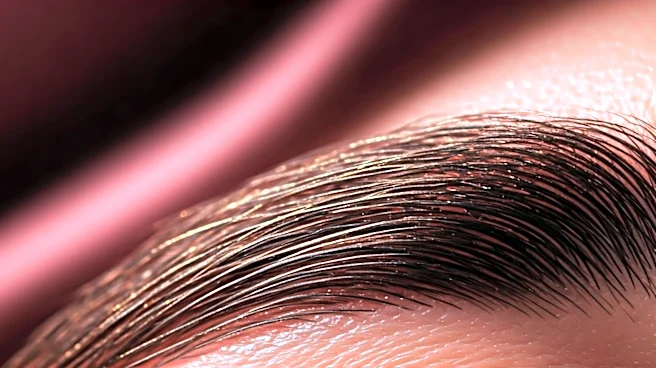
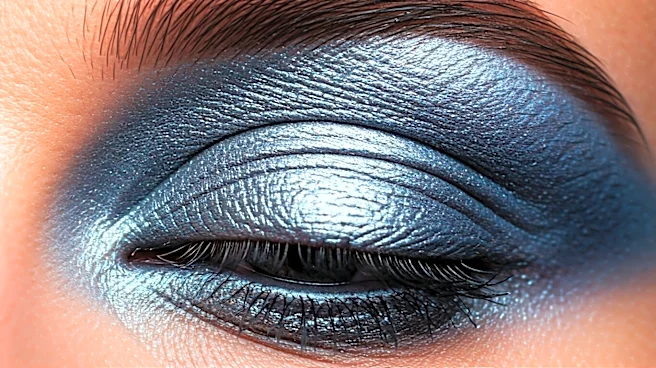
For a swim presentation, there's zero room for error around the eyes. Every product must be waterproof or, at minimum, water-resistant. This includes eyeliner, mascara, and brow products. Artists favor waterproof gel eyeliners and liquid liners that form a film and don't smudge. For brows, a waterproof pomade or a tinted brow gel is used to define and set hairs in place. The final touch is often an 'eyeshadow primer' applied all over the lid, even if no eyeshadow is being used. This primer mattifies the lid and prevents concealer or foundation from creasing while providing yet another barrier against moisture.
6. The Final Lock-In: The Powder and Spray Technique
This is the step that separates amateur work from a professional, bulletproof face. After all makeup is applied, artists use a two-part setting process. First, they generously apply a fine, translucent setting powder, focusing on the T-zone and under the eyes, and let it 'bake' for a few minutes before dusting off the excess. This absorbs any residual oil and locks the base makeup in place. Then comes the grand finale: a setting spray. Not just any spray will do; pros use heavy-duty, film-forming sprays designed to create a literal seal over the makeup. They mist it generously over the entire face to meld all the layers together and make the final look transfer-proof and water-resistant.