







Our Once-in-a-Generation Moment
The U.S. Semiquincentennial is more than just a date on the calendar. Mandated by Congress, the America 250 commission is tasked with orchestrating a multi-year commemoration of the Declaration of Independence. The official goal is to “reflect on our
past, honor the contributions of all Americans, and look ahead toward the future.” It’s a moment for national soul-searching, an opportunity to grapple with 250 years of triumphs, tragedies, and contradictions. State-level commissions are developing educational programs and encouraging communities to tell their own, often under-told, stories. The best-case scenario is a thoughtful, inclusive, and challenging dialogue about who we are. The worst-case scenario, however, looks a lot like a superhero movie.
The Temptation of Cameo Culture
The Marvel Cinematic Universe perfected the art of the cameo: a brief, applause-generating appearance by a fan-favorite character. It’s a wink to the audience, a moment of pure recognition that prioritizes fleeting delight over narrative depth. Now, imagine that logic applied to our national history. Picture a primetime special where a famous actor as Benjamin Franklin pops in to deliver a witty one-liner, or a pop star offers a soulful rendition of a period-inappropriate ballad. This isn't a far-fetched concern. Major concerts with celebrity hosts are already part of the plan. The temptation to package history as a series of shareable, star-studded moments is immense. It’s the path of least resistance in a media landscape that prizes engagement above all else, threatening to turn a serious commemoration into a glitzy but hollow variety show.
Why It Would Cheapen the Story
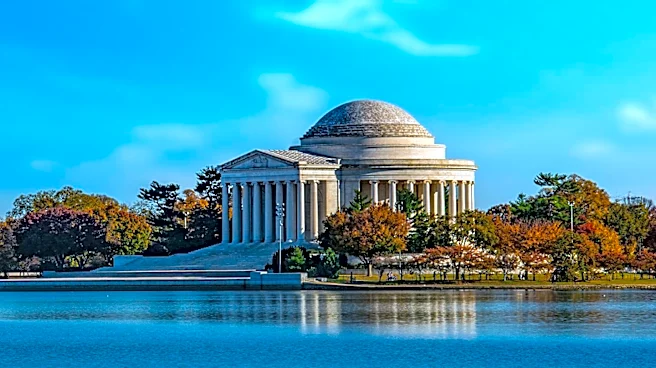
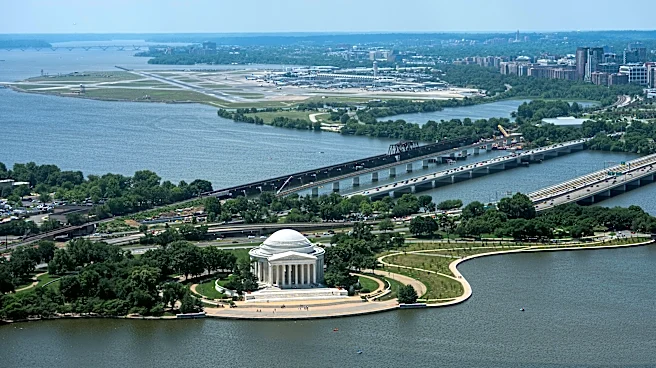
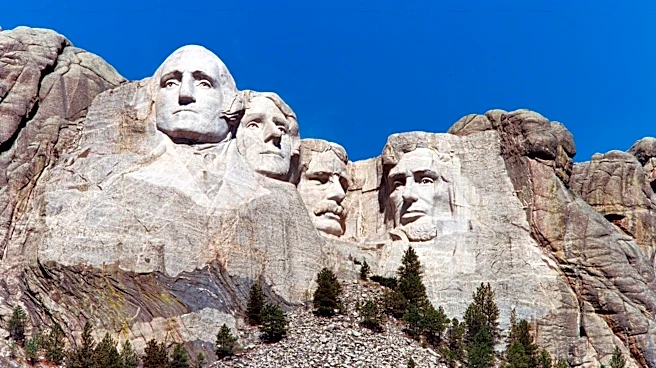
History isn’t a series of fun facts and famous faces. It’s a complex, often brutal, and deeply human story. Reducing historical figures to walk-on roles strips them of their complexity. Thomas Jefferson wasn't just a man who wrote soaring words about liberty; he was a deeply conflicted individual who enslaved people. Abraham Lincoln wasn't a marble saint, but a shrewd politician navigating an existential crisis. A cameo-driven approach flattens these contradictions. It turns historical titans into brand assets, deployed for a quick hit of patriotic sentimentality. Just as a poorly placed joke can shatter the tension in a serious film, treating our history like a parade of celebrities in period costumes would rob the America 250 commemoration of its gravitas and its very purpose. It encourages us to recognize, not to reflect.
History Is Not a Cinematic Universe
The American story is not a neatly connected cinematic universe. There are no post-credit scenes that resolve the Civil War or tidy up the fight for civil rights. The narrative is messy, contested, and full of loose ends. The goal of the America 250 project should be to lean into that messiness, not paper over it with spectacle. The official themes, such as telling inclusive stories and exploring the power of place, suggest an awareness of this need. But a focus on easy-to-digest entertainment directly contradicts this mission. You cannot “tell inclusive stories” while simultaneously creating a stage for the same handful of famous figures. You cannot explore nuance through soundbites. Real history requires context, patience, and a willingness to confront uncomfortable truths—the exact opposite of what the cameo is designed to deliver.
A More Meaningful Path
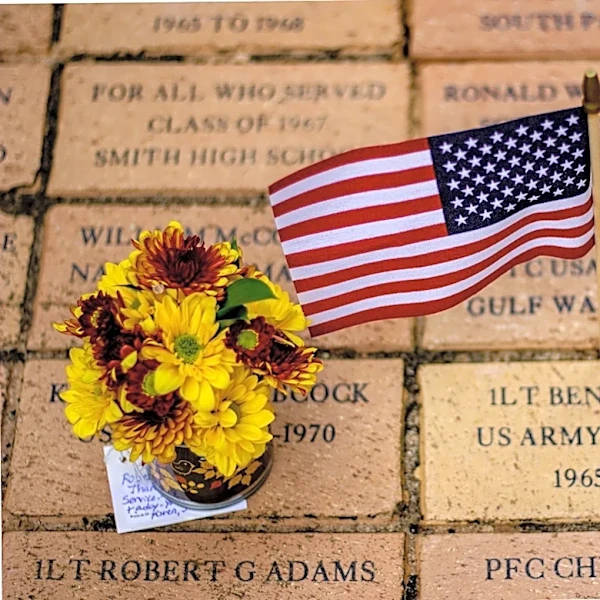
Instead of a star-studded gala, imagine a commemoration that elevates the stories of ordinary people who shaped the nation. Instead of slickly produced vignettes, imagine immersive projects that challenge our understanding of the past. The official America 250 mission statement mentions fostering shared experiences that “spark imagination” and showcase a “rich tapestry” of stories. This is the correct impulse. Let’s fund local historical societies, not just national TV specials. Let’s amplify the voices of historians, educators, and community elders who can offer depth and perspective. The 1976 Bicentennial, for all its flaws, succeeded in part by funding community-level celebrations that made Americans feel connected to their local history and each other. That is where the real meaning lies—not in which celebrity can be booked for the main event.