



Hollywood's Newest Hero Is Its Oldest
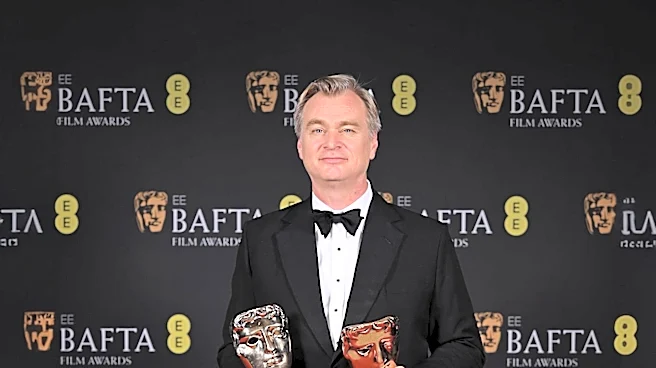
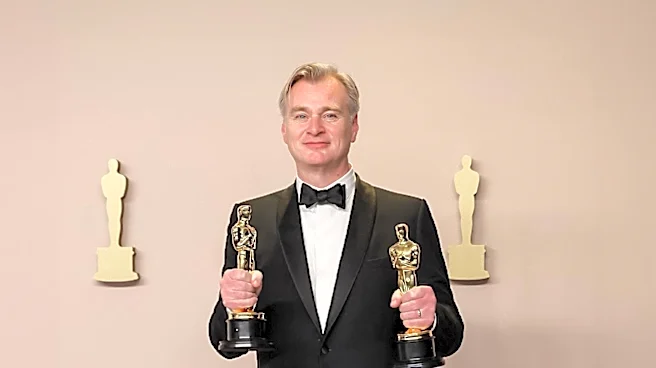
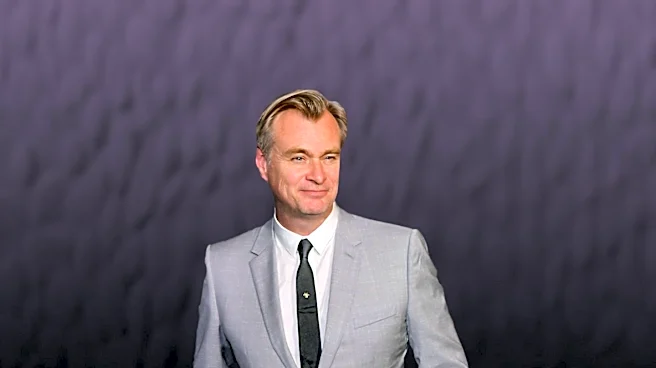
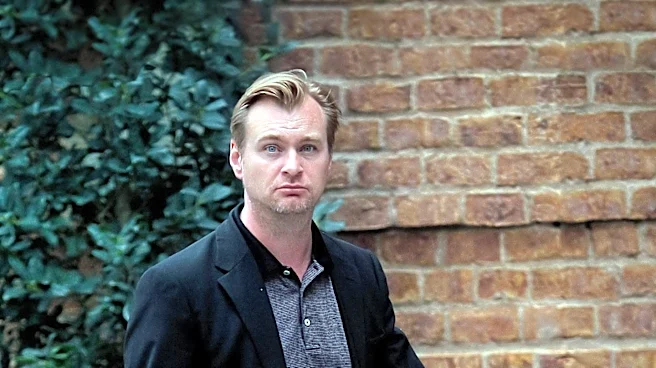
Forget capes and comic books. The next big cinematic hero might be a weary, middle-aged king trying to get home. Following his Oscar-winning triumph with 'Oppenheimer', director Christopher Nolan is tackling one of Western literature's foundational texts:
Homer's 'The Odyssey'. Set for a July 2026 release, the film boasts a staggering cast, with Matt Damon as the wily Odysseus, Anne Hathaway as his steadfast wife Penelope, and a supporting roster including Tom Holland, Zendaya, and Robert Pattinson. After 'Oppenheimer' grossed nearly a billion dollars, Nolan had the capital to pursue a passion project he's mulled for over 20 years. The result is a quarter-billion-dollar production that represents a monumental gamble on the idea that an ancient, complex poem can be transformed into a must-see global event. The question is no longer if it can be done, but what it will take to succeed.
The Challenge: It's Not Your Average Quest
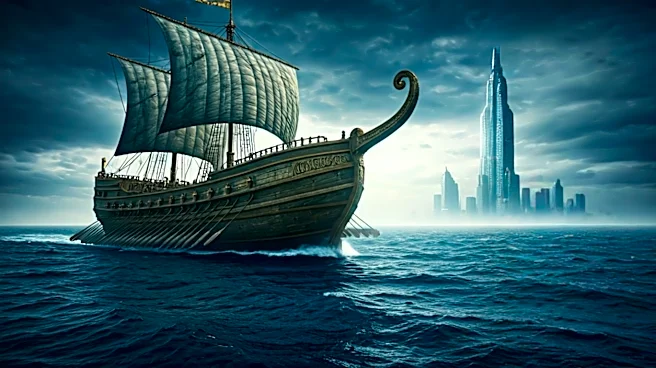
Adapting 'The Odyssey' isn't like adapting a modern novel. The poem's structure is famously complex, with jumps in time, a story-within-a-story narrated by Odysseus himself, and a protagonist who is often more of a cunning trickster than a straightforward hero. Experts point out that many of Odysseus's defining characteristics—his duplicity, his arrogance, even his capacity for war crimes—are difficult to square with the expectations for a sympathetic blockbuster lead. Unlike a linear story, his ten-year journey home from the Trojan War is a series of surreal, often allegorical, encounters with gods, monsters, and sorceresses. There's the Cyclops, the Sirens, and the goddess Calypso who holds him captive for seven years. To succeed, Nolan must translate this episodic, internal journey of loss and longing into a cohesive narrative that resonates with an audience accustomed to the straightforward goals of franchises like 'Star Wars' or 'The Avengers'.
The 'Event Movie' Gauntlet
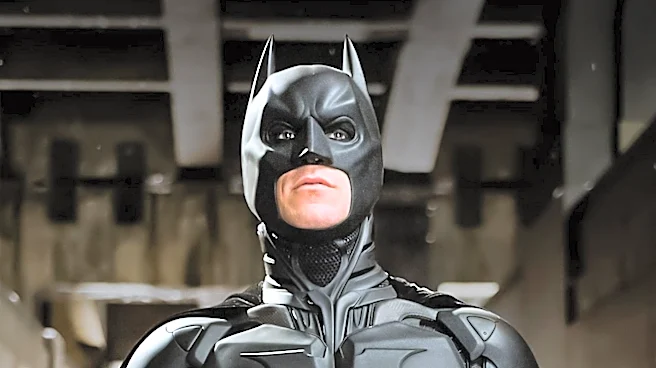
The term "event movie" gets thrown around a lot, but it signifies a film whose release is a cultural moment in itself—something that demands to be seen on the biggest screen possible. Nolan's films, from 'The Dark Knight' to 'Interstellar', have consistently met this standard through a combination of visionary spectacle, A-list stars, and brainy, high-concept plots. With 'The Odyssey', he's doubling down. The film is the first to be shot entirely on new 70mm IMAX cameras and features minimal CGI, with Nolan opting for practical effects like strapping Matt Damon to a real ship's mast. Universal Pictures is so confident in the film's power that it canceled preliminary influencer screenings, betting that traditional critical reception and word-of-mouth will be enough to fuel a box office hit. This isn't just a movie release; it's a carefully orchestrated campaign to make an ancient poem feel like the most urgent and spectacular story of the year.
A Test for the Future of Epics
The success or failure of 'The Odyssey' will send ripples through Hollywood. For years, the historical or mythological epic has been a risky proposition. While 'Gladiator' was a massive success, more recent artful epics like 'The Northman' have struggled to find a wide audience, and ambitious projects like Kevin Costner's 'Horizon' saga have stumbled at the box office. The industry has largely concluded that audiences only have an appetite for massive spectacle when it's tied to pre-existing, modern intellectual property like comics or video games. If 'The Odyssey' connects with audiences and becomes a commercial behemoth on the level of 'Avatar' or 'Avengers: Endgame', it could shatter that assumption. A successful run would prove that foundational stories—the myths and legends that have shaped culture for millennia—can be a blockbuster genre in their own right, potentially greenlighting a new wave of ambitious adaptations. A failure, however, could send them back into Hollywood's vault for another generation.