


The Anatomy of a New Silhouette
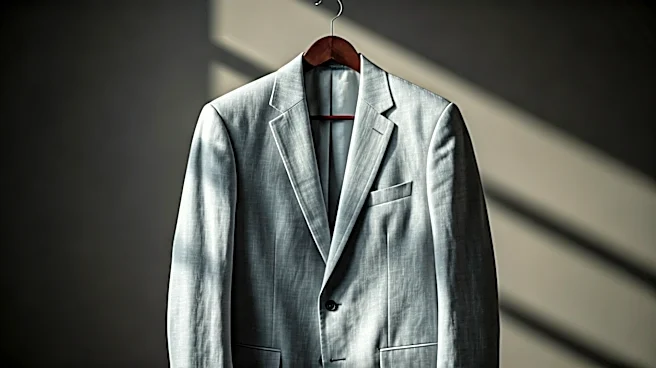
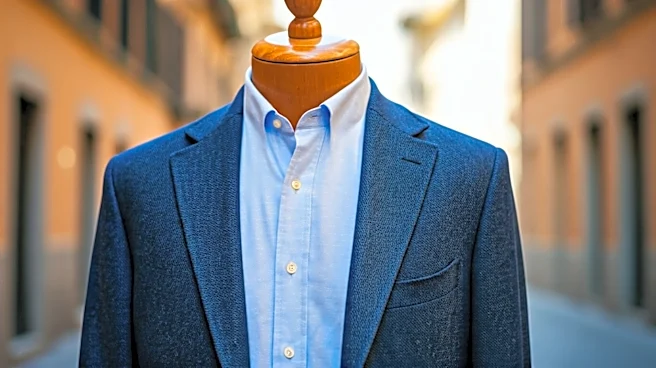
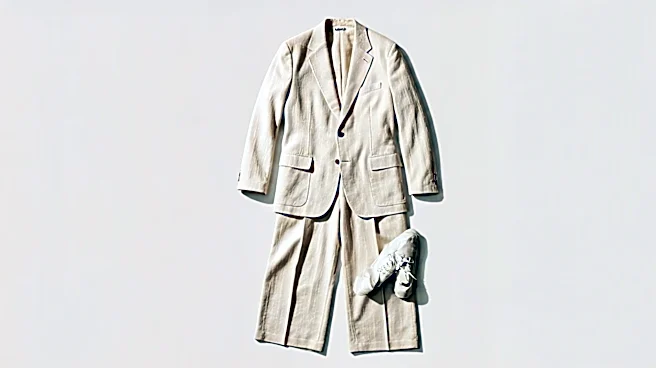
Forget the slim-fit, restrictive suits that dominated the 2010s. The new uniform spotted on the famously well-dressed attendees of Pitti Uomo is all about ease and volume. It’s built on three key pillars. First, the unlined jacket. Unlike a traditional
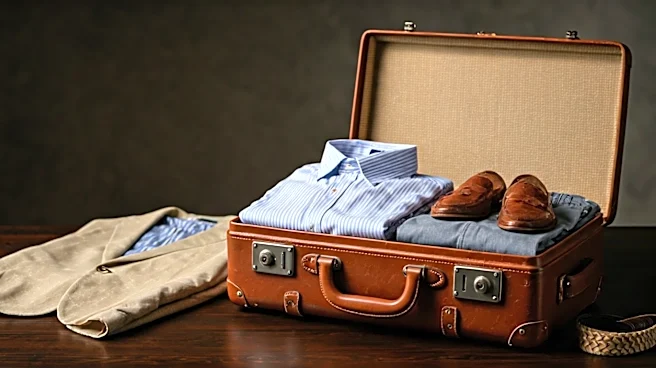
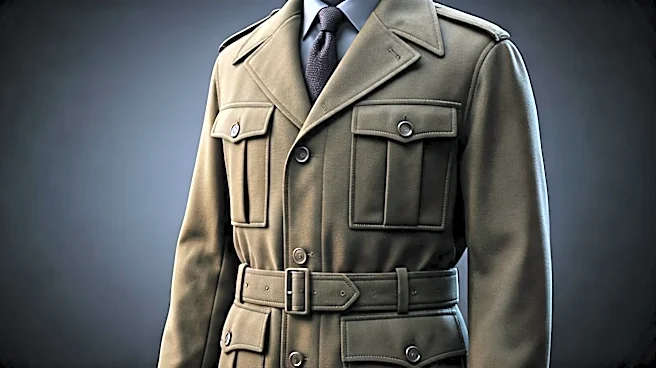
suit jacket with its stiff canvas, padding, and lining, this version is deconstructed. It drapes like a heavy shirt or a light cardigan, offering the shape of tailoring without the rigidity. It’s a blazer that feels like something you’d actually want to wear on a warm day or while traveling. Then come the big trousers. After years of skinny jeans and drainpipe chinos, the pendulum has swung decisively toward wider, more generous cuts. We’re talking pleated trousers with a high waist and a relaxed leg that flows rather than clings. Finally, there are the bare ankles. Whether achieved with no-show socks or no socks at all, flashing a bit of ankle grounds the entire look in a mood of nonchalant, summery elegance. It’s a final rejection of formal stuffiness.
A Uniform for the New Work-Life
This shift isn’t happening in a vacuum. The rise of the relaxed suit is a direct response to a massive cultural change: the disintegration of the traditional office dress code. In a post-pandemic world where “work” can be a coffee shop, a home office, or a co-working space, the old armor of corporate life feels obsolete. Men are no longer dressing *for* the office; they’re dressing for a life that blends professional duties with personal comfort. This new uniform is the perfect expression of that hybrid reality. The jacket says, “I’m taking this seriously,” but its soft construction says, “I also value my comfort.” The trousers are elegant enough for a client meeting but comfortable enough for a long lunch. It’s a style that bridges the gap between the formality of a suit and the ease of sweatpants, offering a sophisticated third way for the modern professional who wants to look put-together without feeling trussed up.
It’s Not Sloppy, It’s Sprezzatura
To an American eye accustomed to crisp, rigid tailoring, this look might at first seem a bit… undone. But that’s precisely the point. The aesthetic is guided by a core Italian concept: *sprezzatura*. Coined in the 16th century, the term describes a kind of studied carelessness—the art of making the difficult look easy and concealing effort behind a veil of nonchalance. It’s wearing an expensive watch with a frayed denim jacket, or leaving your tie slightly askew. The unlined jacket, the roomy trousers, the flash of ankle—this is modern *sprezzatura* in action. It’s a confident, intentional choice to prioritize personal style and comfort over by-the-book rules. It says you know the rules of classic menswear so well that you know exactly how and when to break them. This isn't about being lazy; it's about being so self-assured in your style that you don’t need the crutch of conformity.
From Florence to a Closet Near You
So why should the average guy in the U.S. care about what a bunch of stylish Italians and industry insiders are wearing? Because Pitti Uomo is a powerful trend incubator. The buyers, editors, and designers who attend are the gatekeepers of the fashion industry. The looks they champion on the streets of Florence are photographed, disseminated online, and eventually translated by mainstream brands. The shift toward softer jackets and wider trousers is already visible in the collections of forward-thinking American designers. In a season or two, it will be the hero look at J.Crew and Banana Republic. Soon after, more affordable versions will pop up at Zara and H&M. What starts as an insider uniform at a trade show in Italy inevitably trickles down, reshaping the silhouette of menswear for everyone. This new uniform matters because it’s a preview of how men will be dressing—and thinking about their clothes—for years to come.