




It Hides a Multitude of Sins
The first and most cynical reason for fog’s enduring popularity is simple: it’s cheap. On a low-budget TV production, a well-placed layer of artificial fog can be a financial lifesaver. Need to suggest a vast, desolate landscape without building one?
Fog. Want to obscure a creature that doesn’t quite hold up in high-definition? Fog. Can’t afford to dress a background that stretches for a hundred yards? A thick bank of haze will conveniently solve that problem. This isn’t a new trick; filmmakers have used it for decades. It’s the ultimate production design cheat code, allowing creators to manage their resources by focusing the viewer’s attention only on what they absolutely need to see. A simple fog machine is a far more cost-effective tool than hours of CGI rendering or building an elaborate set. By filling the screen with atmospheric vapor, a director can create a sense of scale and texture while cleverly concealing the budgetary limitations just out of frame.
What You Can't See Can Hurt You
Beyond the practical savings, fog is a potent psychological weapon. Its primary function in horror is to obscure vision, robbing characters (and the audience) of their most relied-upon sense. This triggers a primal fear of the unknown. Our brains are wired to identify threats, and when visibility drops, our imagination starts working overtime, filling in the blanks with our worst anxieties. Every shadow could be a monster; every muffled sound could be approaching doom. The fog isolates characters, collapsing their world into a small, claustrophobic circle of visibility. There is no horizon, no escape route—only the immediate, terrifying present. This disorientation makes viewers feel tense and vulnerable, heightening the impact of any jump scare. The monster isn’t just the thing that eventually emerges from the mist; the mist itself becomes an antagonist, actively concealing the danger and amplifying our dread.
Instant Mood on a Budget
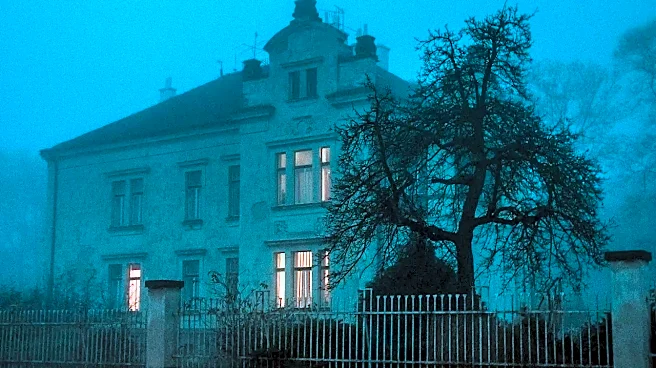
A director could spend ages crafting the perfect lighting setup and set dressing to signal that a location is ominous and unwelcoming. Or, they could just roll in the fog. Fog is an incredibly efficient atmospheric tool. It immediately communicates a sense of mystery, decay, and the supernatural. Think of the creeping, malevolent mist in John Carpenter's "The Fog" or the spooky, isolating haze that blankets the town in shows like Apple TV's "Widow's Bay." The fog tells us that the normal rules don’t apply here. It creates a liminal space where reality feels thin and anything is possible. It dampens sound, making the world feel unnaturally quiet and further unsettling the viewer. While a sunny day feels safe and knowable, a foggy landscape is a blank canvas for terror. It is, in essence, mood in a can—a visual shorthand that instantly puts the audience on edge without a single line of dialogue.
A Timeless, Hazy Tradition
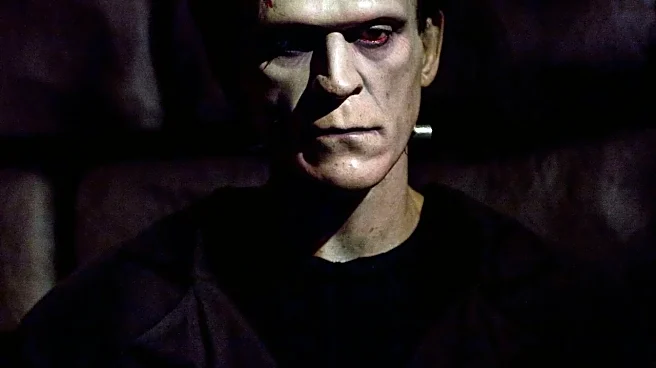
The use of fog in horror is not a recent invention. Its roots run deep, from the industrial pea-soupers of Victorian London that influenced Gothic literature to the stylized shadows of German Expressionist cinema. Early filmmakers in Britain ironically spent fortunes trying to keep the city's natural, production-halting fogs out of their studios, only to then develop artificial fog to create a controllable, cinematic version for the screen. From classic Universal monster movies to modern streaming hits, fog has been a constant. It has been used to represent a ghostly curse, conceal otherworldly invaders, or simply make a graveyard look that much spookier. This long tradition has created a shared cultural language. When we see fog in a horror context, we are preconditioned to feel a certain way. Directors know this and use it to their advantage, tapping into a century of collective cinematic memory to create an immediate sense of unease. It’s a shortcut not just for the budget, but for the storytelling itself.