


The Allure of Creative Contradiction
Fashion, at its best, is a conversation. And right now, the most interesting dialogue in menswear is one of contrasts. The recent collections in Paris showcased a fascinating push-and-pull between what we might call the romantic and the severe. Think
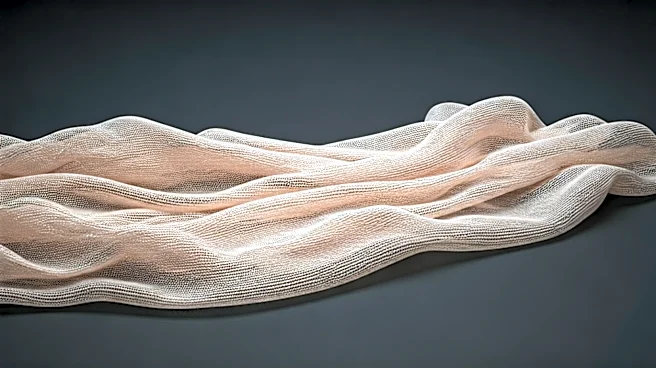
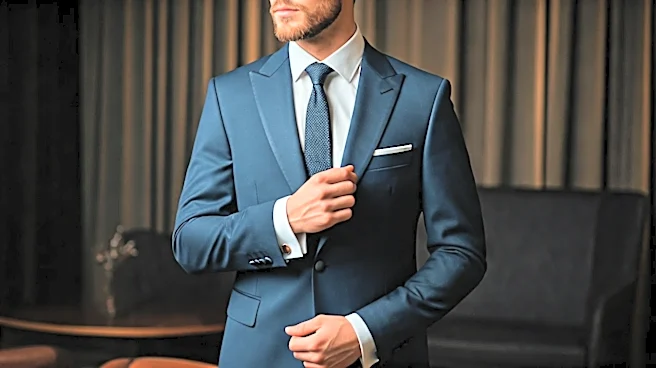
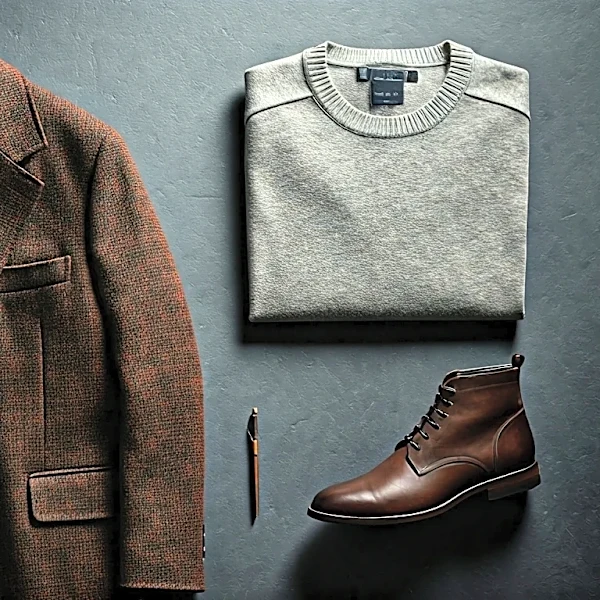
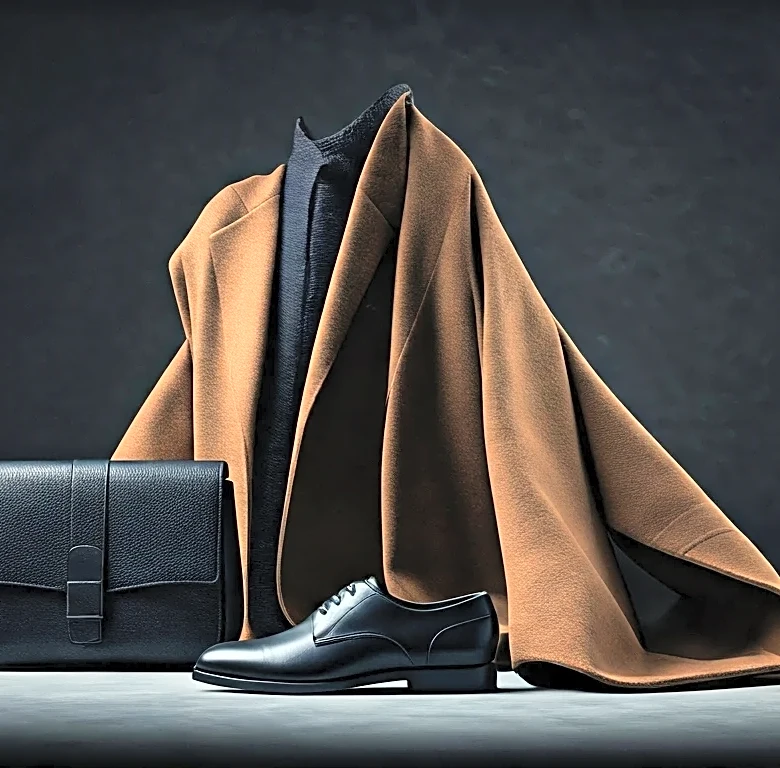
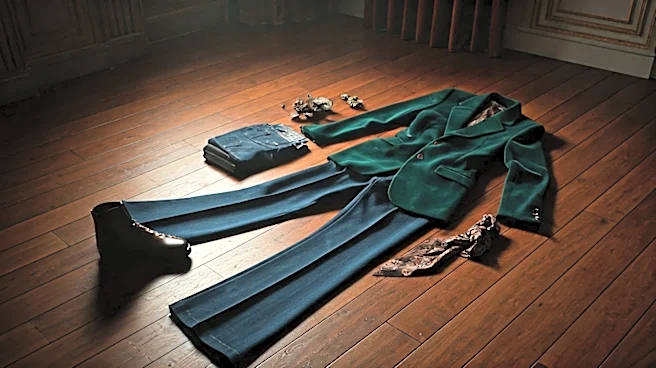
of the brutalist, architectural volumes seen at Rick Owens, known for his subversively sculptural and often dark aesthetic, existing in the same fashion universe as the languid, sensual ease of Saint Laurent. [11, 20] This isn't about designers being confused; it's about them reflecting a complex emotional landscape. The allure lies in the juxtaposition. A sharply tailored, almost militaristic jacket feels different when paired with flowing trousers. A delicate, featherweight knit takes on a new meaning when styled with a severe, minimalist cut. This creative friction makes you look twice and, more importantly, makes you feel something.
Historical Romance Meets Modernist Rigor
Designers often act as cultural historians, sampling and remixing ideas from different eras. [20] The romantic side of the equation frequently dips into the past—not for literal costume drama, but for feeling. There are echoes of Byronic heroes in soft, open shirting and a poetic vulnerability in gossamer-thin knits. At Saint Laurent, creative director Anthony Vaccarello envisioned a journey of “ease” and “escapism,” resulting in shrunken waistcoats and featherweight knits that trace the line of the body. [4, 20] At Dior Men, Jonathan Anderson has been celebrated for collections that de- and recode the house's history, juxtaposing formal codes like frock coats with a disheveled, irreverent joy. [4] This softness is balanced by an opposing force: a severity drawn from modernism, industrial design, and utilitarian uniforms. Rick Owens, for instance, has consistently explored a 'California desert brutalism' feel, with an aesthetic that is both architectural and charged with energy. [13, 18] This creates a wardrobe that feels both protective and deeply human.
A Tale of Two Textures
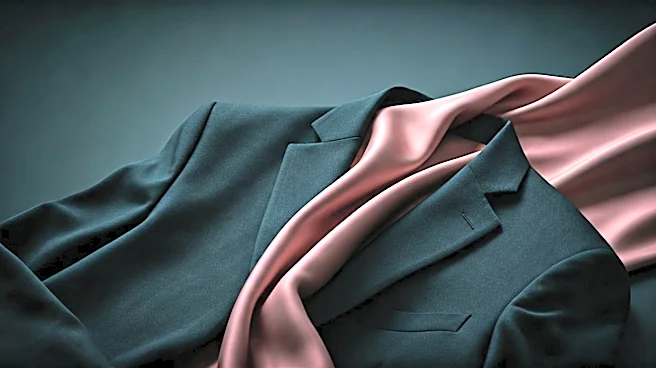
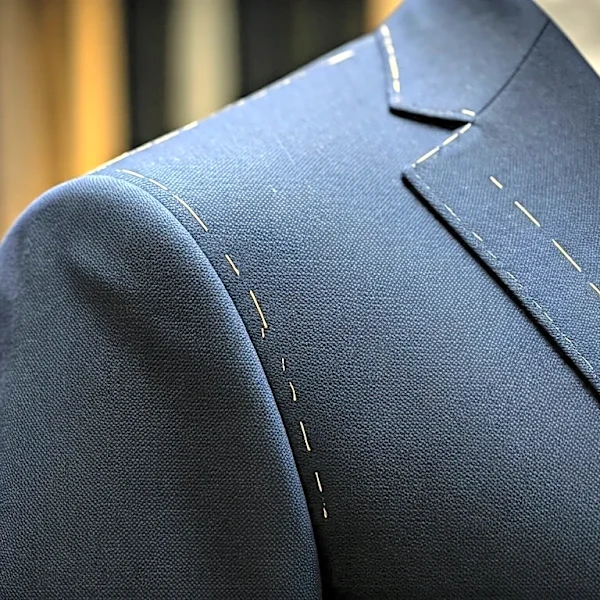
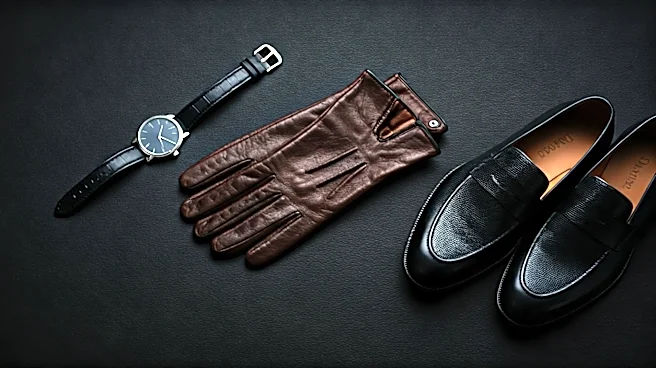
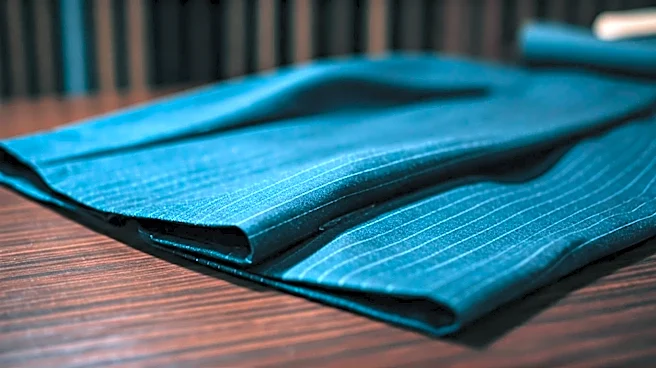
This duality is most clearly expressed through materiality and silhouette. This season, designers masterfully combined hard and soft textures. At Solid Homme, the collection explicitly explored “the tension between the natural and the artificial.” [20] You might see a jacket made of a rigid, technical fabric cut with an unexpectedly gentle, curved seam. Or consider the debut menswear collection from Julian Klausner for Dries Van Noten, which, while bursting with color, also experimented with structure, using feminine construction techniques to bring garments closer to the body in an intentional way. [21] Saint Laurent balanced its signature broad-shouldered tailoring with delicate, jewelry-like buttons and reimagined classic men's underwear in soft leather. [20] This is where the magic happens: the severity of a silhouette is softened by a luxurious, tactile fabric, or a romantic, flowing garment is given structure and authority by a sharp, defined shoulder. It’s a physical manifestation of the article's central theme.
Dressing for a Complicated World
So why is this happening now? Fashion is a mirror. In a world that feels increasingly uncertain, this blend of romanticism and severity speaks to a desire for both softness and strength. We crave vulnerability and connection (the romantic) but also feel the need for armor and protection (the severe). This trend isn't about choosing one or the other; it’s about acknowledging that modern masculinity contains both. It’s the sartorial equivalent of a quiet fortress, a safe space that is both comfortable and secure. Designers are providing a uniform for a generation navigating complex realities. As one reviewer noted of a recent Rick Owens collection, it was a meditation on authority and the processing of threat, using the visual language of control to explore sensitivity. [18] This approach turns clothing into more than just something to wear—it becomes a tool for navigating the world.