



Choose Your Champion Wisely
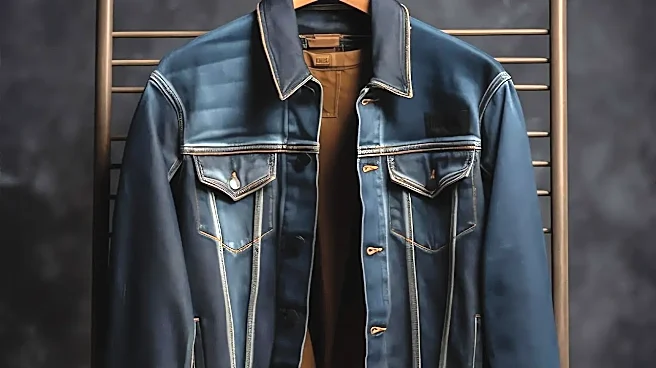
Not all spring jackets are created equal for a fall campaign. The ideal candidate isn't your lightest linen blazer but something with a bit more structure and room. Think classic denim jackets, canvas chore coats, nylon bombers, or utility jackets. These
materials provide a decent starting block against wind. The fit is also crucial. A jacket that's already snug over a t-shirt won't accommodate the layers needed for true fall weather. Opt for a style with a slightly relaxed or straight cut, ensuring you have enough room through the shoulders and sleeves to build a system underneath without feeling constricted. A good transitional jacket should be able to host a sweater without a fight.
The Art of the Three-Layer System
Extending your jacket’s life is all about mastering the classic three-layer system, a concept long understood by outdoor enthusiasts. Each layer has a specific job: managing moisture, insulating, and protecting from the elements. Your spring jacket will serve as the final piece—the outer shell. 1. The Base Layer: This is the layer directly against your skin. Its primary job is to wick sweat away to keep you dry. Cotton is fine for mild days, but for active afternoons or dropping temperatures, materials like merino wool or synthetic fabrics are far superior because they don't hold onto moisture. 2. The Mid-Layer: This is your engine of warmth. It's designed to trap body heat. Your options here are versatile and can define your style: a classic wool sweater, a cozy fleece, a flannel overshirt, or even a thin, down-filled vest for core warmth without bulky arms. This is the layer you’ll add or remove most often as you move from the chilly outdoors to a warm coffee shop.
Pushing Through the Plunging Temps
With the right system, your spring jacket can handle more than you think. On a sunny, 60-degree day, the jacket over a simple t-shirt is perfect. As temperatures dip into the 50s, introduce your mid-layer. A denim jacket over a wool sweater with a t-shirt base can be surprisingly comfortable. The key is adaptability; as the sun sets and the air chills, you're prepared. This approach turns your single jacket into a versatile tool for a range of conditions, preventing you from overheating during warmer afternoons or shivering on your evening commute. For many, this setup works well for temperatures between 50 and 65 degrees (10 to 18 Celsius), which covers a significant portion of the fall season in many parts of the U.S.
Finding the Breaking Point
Every hero has a limit. You’ll know you’ve found your spring jacket’s breaking point when the system fails to keep you comfortable. The first sign is often wind. A denim or canvas jacket isn't truly windproof, and a biting November gust will cut right through. Another sign is when you need so many bulky mid-layers that you feel like a stuffed sausage, restricting your movement. And, of course, there’s the undeniable arrival of true winter weather. When the thermometer consistently dips below the 40s (around 4°C), or when you see the first snowflakes, it’s time to respectfully retire your spring champion. At that point, you need the serious insulation and weather-proofing of a dedicated winter coat. The experiment is over, and it's time for the real thing.