




The Pressure Cooker of Proximity
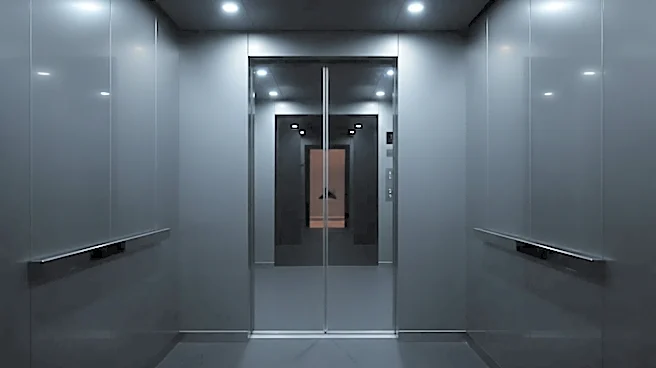
The most obvious power of an elevator is its ability to force characters together. The inherent lack of personal space creates an immediate sense of tension or intimacy. Strangers who would otherwise ignore each other must now share a confined area, like
the silent, lonely ride Bill Murray takes with a group of businessmen in Lost in Translation, perfectly capturing his character's isolation. It’s a place where social etiquette is fuzzy, making it ripe for awkward comedy, simmering conflict, or a sudden, unexpected connection. Directors use this forced proximity to make sparks fly, whether it's the romantic tension of a meet-cute or the coiled hostility of two enemies trapped in a box.
A Ticking Clock on a Cable
An elevator ride has a built-in deadline: the doors will open. This creates a natural ticking clock that adds urgency to any interaction. A character has only a few moments to make a confession, deliver a threat, or make a life-altering decision. Think of the classic romantic comedy trope where a character has seven floors to blurt out how they feel. This temporal constraint forces storytelling to be incredibly efficient. There’s no time for filler. The suspense builds with each floor, culminating in a climax as the doors slide open, often revealing a new reality on the other side. This effect is used masterfully in thrillers like The Departed, where the ride up becomes a moment of unbearable, quiet suspense before the shocking conclusion.
The Ultimate Transitional Space
Elevators are, by definition, places of transition, moving people between Point A and Point B. Filmmakers use this literally and metaphorically. A character can enter an elevator as one person and emerge as another. In Captain America: The Winter Soldier, Steve Rogers walks into an elevator as a loyal agent and walks out a fugitive, his entire worldview shifted after a brutal fight. The Russo brothers, who directed the film, have said the scene represents a permanent change in the character. In a more whimsical sense, the “Wonkavator” in Willy Wonka and the Chocolate Factory literally breaks through the ceiling, symbolizing a transition to a world of limitless imagination for Charlie. This makes the elevator a powerful symbol for character transformation and journeys into new realities, whether it's a new floor or a new state of mind.
A Small Stage for Power and Vulnerability
The confined space of an elevator is the perfect stage to explore power dynamics. There's nowhere to hide, making characters inherently vulnerable. Horror films exploit this masterfully; from The Shining's iconic river of blood to the demonic presence in Devil, the elevator becomes a trap from which there is no easy escape. In action movies, the tight quarters can either highlight a hero's prowess, like Captain America taking down a dozen assailants, or become a deathtrap. The simple act of who stands where, who pushes the button, or who avoids eye contact can reveal volumes about the relationships and power imbalances between the characters sharing that brief, tense journey.