


The Fleeting Nature of the Hype Cycle
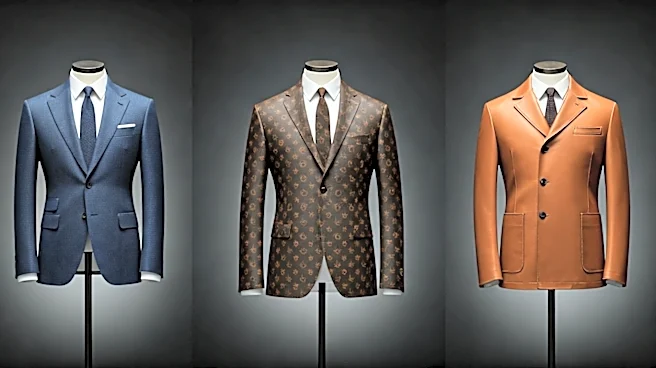
Every season, a handful of items are anointed as the must-haves. Often, these are flashy, logo-heavy, or tied to a specific pop culture moment, designed for maximum impact on social media. Think of the celebrity front-row looks, like Connor Storrie's
translucent coat at Saint Laurent or the buzz around various K-pop stars' arrivals, which generate enormous media value but aren't always translatable to a real-world wardrobe. [2] The issue with hype-driven pieces is their built-in obsolescence. They are designed to capture a specific, fleeting moment in time. Once that moment passes—and in today's accelerated trend cycle, it passes quickly—the item can feel dated, like a meme that’s no longer funny. The very thing that made it desirable, its intense newness and visibility, becomes its biggest liability.
What Defines a True Investment?
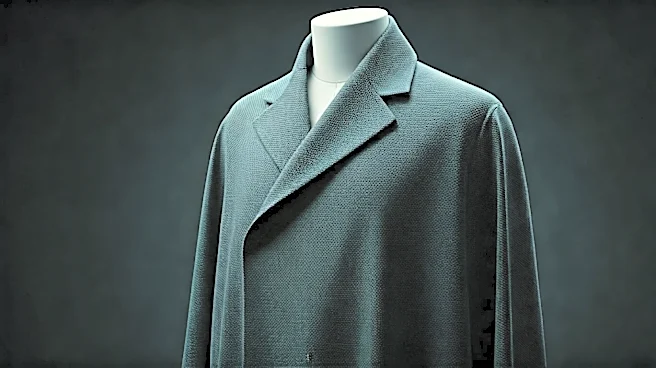
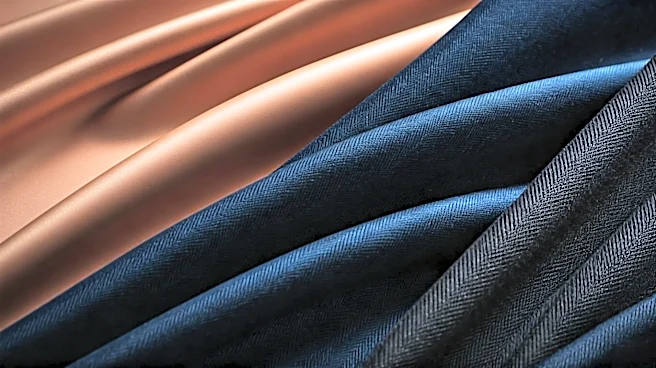
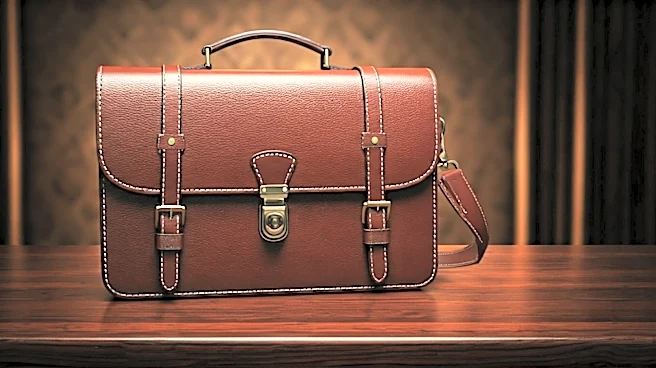
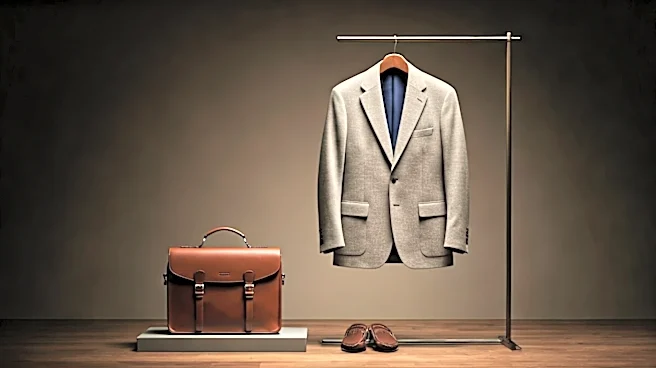
An investment piece, by contrast, derives its value from a different set of principles: superior craftsmanship, timeless design, and high-quality materials. These are the garments that form the backbone of a wardrobe. At the recent Spring/Summer 2026 shows in Paris, these pieces were present for those willing to look past the spectacle. Hermès, for instance, focused on "quiet strength, deep craft and calm luxury." [3] Designer Véronique Nichanian’s collection featured airy, breathable tailoring and open-weave leather, garments that solve the practical problem of summer heat without sacrificing an ounce of refinement. [3, 4] Similarly, Lemaire is known for its understated elegance, showing oversized trench coats and billowy trousers that prioritize ease and precision over passing fads. [6] This is clothing designed not for a single season, but for a lifetime.
The Parisian Ethos: Longevity Over Novelty
The very idea of the investment piece feels deeply rooted in the Parisian approach to style. It’s less about chasing what’s new and more about cultivating a personal uniform of well-loved, high-quality items. This philosophy was evident in many of the S/S 2026 collections. Jonathan Anderson's debut at Dior Men was described as an exploration of "joy in the art of dressing," mixing historical house codes like the tailcoat and Bar jacket with modern staples. [6] He focused on pieces that have "endured the test of time." [6] Even at Saint Laurent, amid the buzz, Anthony Vaccarello presented a collection centered on "ease" and "escapism," with billowing silk shirts and slim trousers that felt both modern and timelessly elegant. [4, 15] This is the core of investment dressing: finding pieces that feel both current and classic, allowing them to evolve with you.
Beyond Cost-Per-Wear: The Value of a Signature
The common argument for an investment piece is cost-per-wear—a high-quality coat worn hundreds of times is a better value than a cheap one worn for a single season. But the true value is more than just financial. An investment piece has the power to become a signature. It’s the perfectly broken-in leather jacket, the trench coat that molds to your body, or the hand-sewn sweater that feels like an old friend. Julian Klausner's debut at Dries Van Noten echoed this idea of sentimental garments, with a collection inspired by the intimacy of lived-in clothes. [14] These items gain character over time, absorbing the story of their wearer. A hype item announces its allegiance to a brand or a trend; an investment piece, worn and loved, announces who you are. While Pharrell Williams' spectacular shows for Louis Vuitton blur the lines between fashion and spectacle, the focus on craftsmanship in certain pieces—like travel trunks or premium renditions of everyday staples—points to this same enduring quality. [3, 4]