
The Challenge: Competing with Spectacle
Live-action fantasy and sci-fi franchises arrive at conventions armed with breathtaking trailers that showcase tangible, real-world spectacle. A starship armada soaring through space or a monster tearing
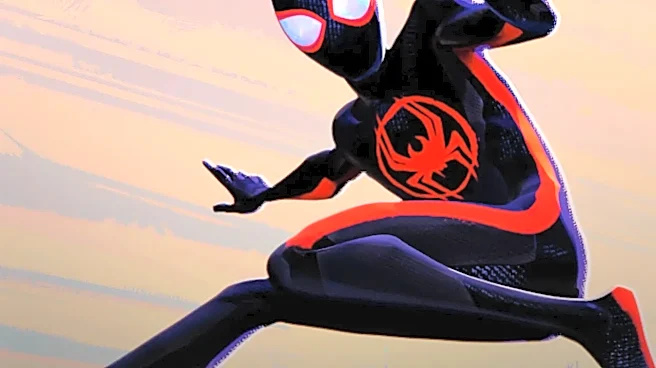
through a city sells itself visually. Animation, particularly 2D or more stylized 3D, plays a different game. It can’t (and shouldn't) compete on the level of photorealism. Instead, its greatest asset is its unique artistic vision—its tone, mood, and personality. The central challenge for any new animated project is finding a way to communicate that essence to an audience before a single episode airs. A standard trailer might show off the art style, but it can struggle to convey the deeper feeling of the world and its characters. This is where the unique environment of a fan convention becomes an indispensable marketing tool.
The Panel as a Mission Statement
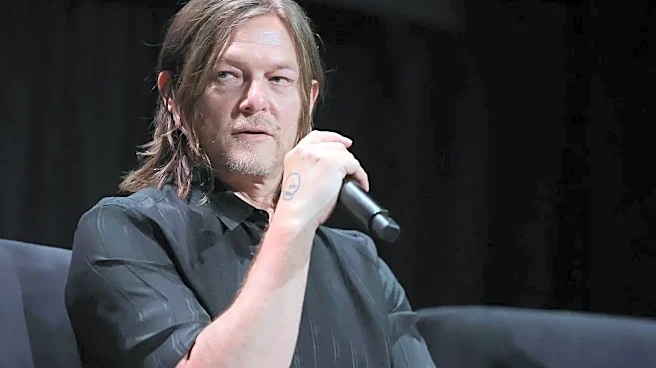
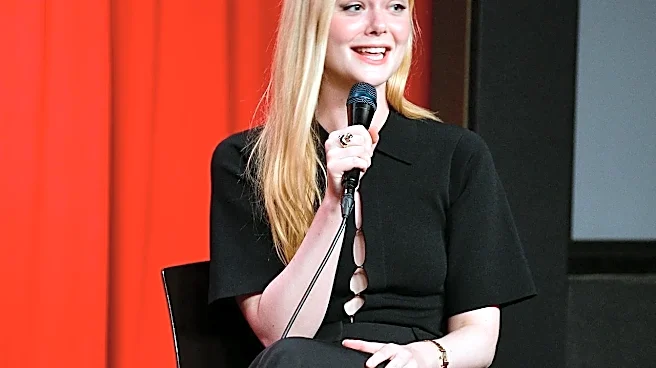
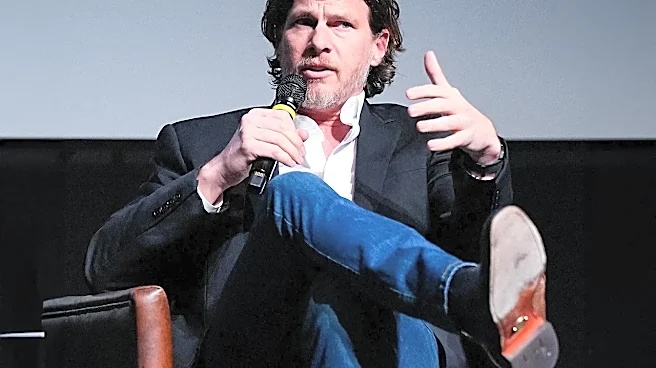
The heart of an animated show's Comic Con strategy is the panel. This is where creators sell the why before fans see the what. For instance, a panel for a new series like "Avatar: Seven Havens" isn't just a sizzle reel. It's a chance for executive producers like Michael Dante DiMartino and Bryan Konietzko to sit on stage and share their passion directly with the fanbase. They discuss their inspirations, the thematic goals, and the creative philosophy behind the show. When voice actors join them, performing lines live or sharing anecdotes about discovering their characters, they aren't just promoting a product; they are inviting fans into the creative process. This year’s NYCC lineup is packed with these events, from major players like Marvel Animation to beloved anime from Crunchyroll. Each one serves as a live-action mission statement, selling the tone and heart of the series long before the polished visuals are even ready.
Art and Access as the Great Connectors
While live-action shows might offer a stunning trailer, animation can offer something more intimate: the art itself. Studios and creators use NYCC to reveal exclusive concept art, character designs, and even live drawing sessions. These aren't just marketing assets; they are a direct line to the show's soul. Seeing the initial sketches for a character or the first painting of a key location gives fans a sense of ownership and insight. It communicates the aesthetic—be it dark and gritty, whimsical and bright, or stylishly futuristic—in a way that feels raw and authentic. Furthermore, the accessibility of creators in Artist Alley and at booth signings creates a powerful feedback loop. Fans can meet the artists and writers, share their excitement, and feel like part of a community before the show even exists, a level of connection that big-budget movies often struggle to replicate.
Building a Community Before Day One
Ultimately, New York Comic Con allows animated series to bypass the spectacle arms race. Instead of trying to out-dazzle the latest blockbuster, they build a foundational community. Immersive booths, like Nickelodeon’s “Fun-ergy Factory” or Marvel's elaborate setups, are designed to create memorable experiences tied to a show's identity. These activations, along with cosplay meetups and exclusive, limited-edition merchandise, transform passive viewers into active participants. A fan who attends a lively panel for "Futurama" or "Bob's Burgers," gets a signed print from an artist, and meets fellow enthusiasts at a photo op leaves the convention as an ambassador. They are not just sold on a trailer; they are bought into the world, the creators' passion, and the very tone that makes the animated series special. This is how shows win hearts and minds, not with photorealism, but with personality.