

Establish Your Foundation
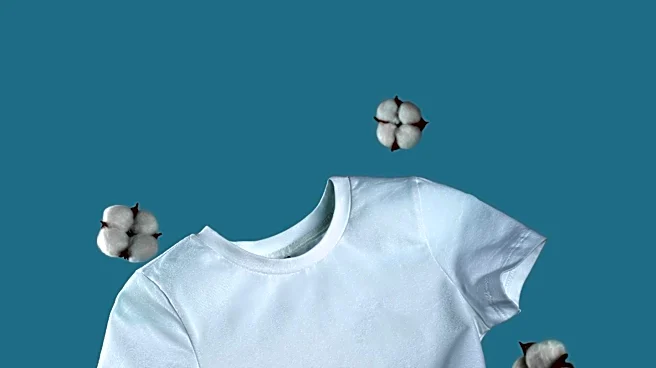
The first step toward building variety from repetition is to establish a strong foundation of basics. This isn't about creating a boring wardrobe; it's about identifying high-quality, versatile staples that fit you perfectly and make you feel great. Think
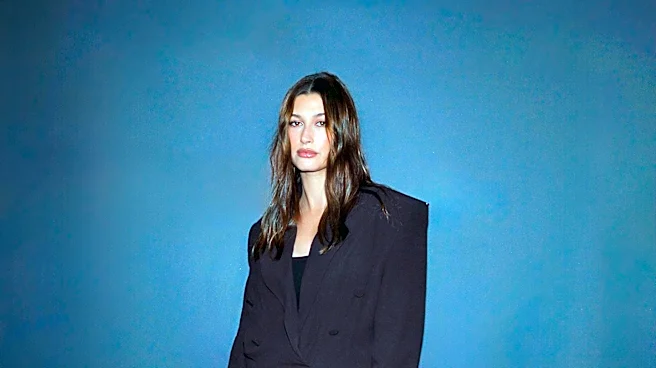
of items like a classic white t-shirt, a pair of well-fitting jeans, a tailored navy blazer, or a simple black dress. These foundational garments are the canvas upon which you'll build dozens of different looks. By starting with a core of neutral, timeless pieces, you create a cohesive base that can easily be mixed, matched, and elevated, ensuring every item can work with multiple others.
Master the 'Third Piece' Rule
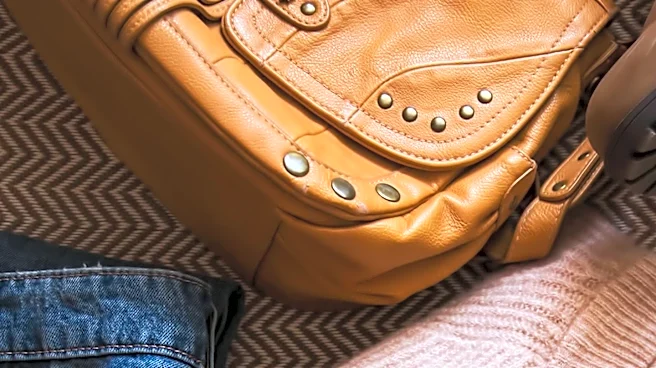
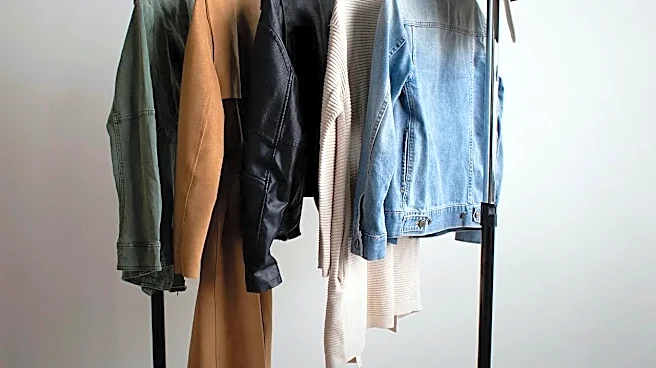
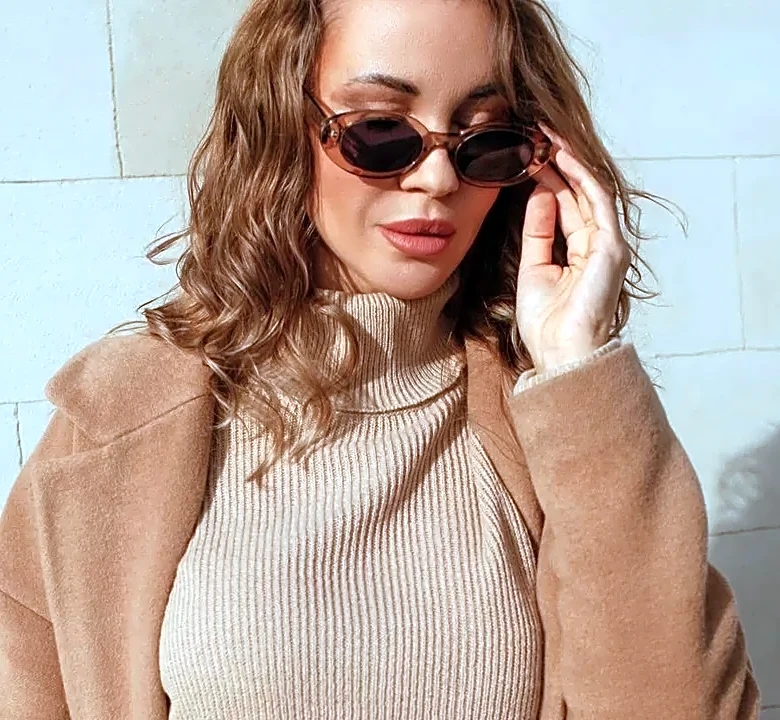
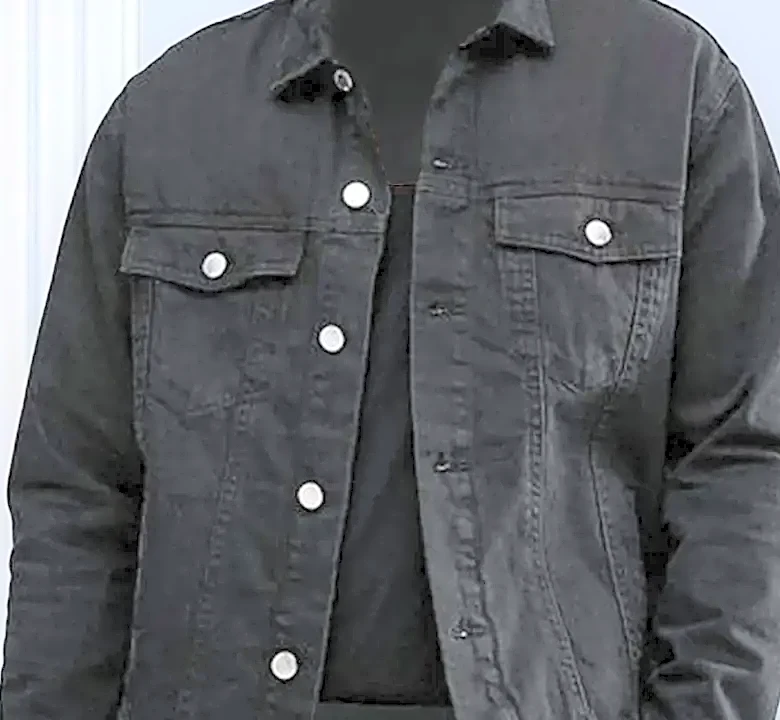
Stylists often rely on a simple but transformative trick: the 'third piece' rule. If your top is the first piece and your bottoms are the second, the third piece is that extra element that pulls the entire outfit together and gives it a polished, intentional feel. This item can be anything from a blazer, vest, or cardigan to a statement accessory like a scarf or a great handbag. Adding this third layer creates depth, personality, and visual interest, instantly elevating a simple combination from just 'clothes' to a 'look'. Even in warmer weather, a lightweight vest, a hat, or a bold necklace can serve as your powerful third piece.
Leverage the Power of Accessories
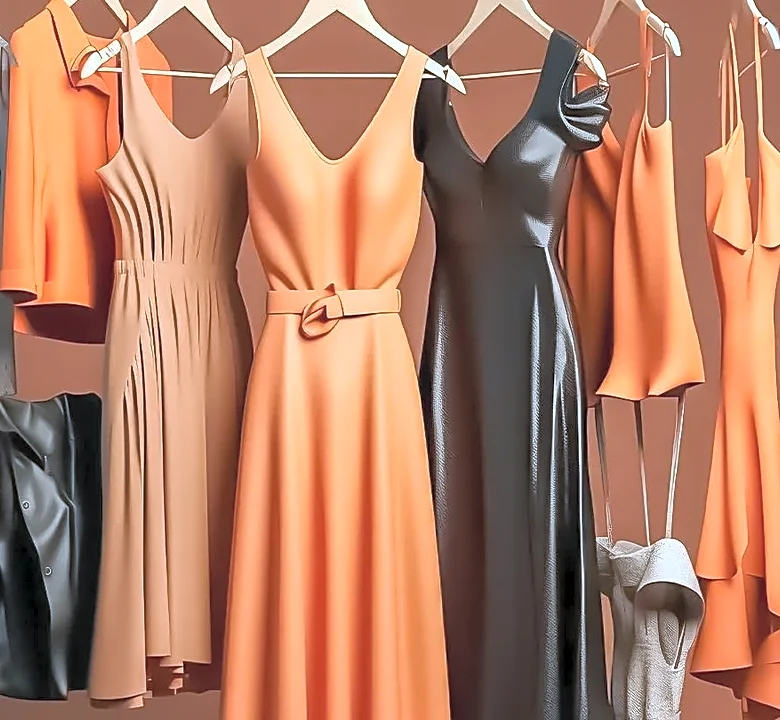
Accessories are the ultimate tool for reinvention. They have the power to completely change the mood and formality of a core outfit with minimal effort. A simple dress worn with sneakers and a crossbody bag for a casual weekend can be transformed for an evening out with heels, a statement necklace, and a clutch. Belts can redefine a silhouette by cinching a dress or an oversized blazer. Scarves offer endless versatility, whether tied around your neck, your hair, or the handle of your bag. By switching out your jewelry, shoes, and bag, you can make the same base outfit feel entirely new each time you wear it.
Play with Layers and Textures
Beyond adding a third piece, think about how different layers and textures can interact to create new looks. Combining different materials—like a chunky knit sweater over a silky slip dress, or a crisp cotton shirt under a leather jacket—adds a tactile and visual richness that makes an outfit more dynamic. Layering is one of the most effective ways to create distinct outfits from the same core items. A simple blouse, for example, can be worn on its own, under a sleeveless vest, tucked into a skirt, or layered under a sweater, with each combination creating a unique effect.
Adopt a 'Rule of Three' Mindset
To push your creativity, challenge yourself with a 'Rule of Three' before buying a new item and when styling existing ones. Before purchasing, ask yourself if you can create at least three different outfits with it using pieces you already own. For items already in your closet, brainstorm three different ways to wear them. For example, a button-down shirt can be worn buttoned up, open over a tank top, or tied at the waist. This simple mental exercise forces you to see the hidden potential in your wardrobe and breaks the habit of wearing an item the same way every time.