




The Animation-to-Reality Gap
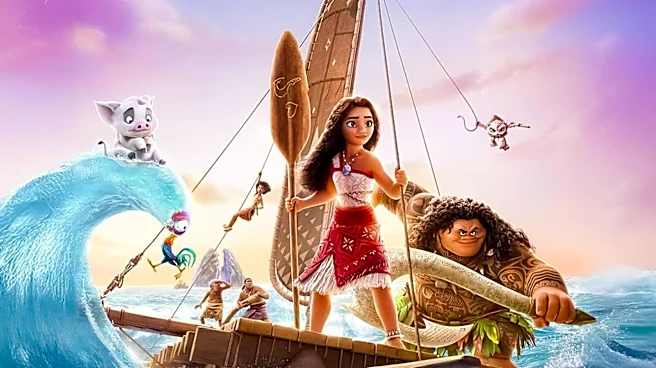
The first and perhaps biggest hurdle is translating a world that was never meant to be real. In animation, artists have limitless freedom. They can create an ocean with its own personality, a lava monster born of fire and rage, and islands bursting with a hyper-real
color palette. Live-action director Thomas Kail faces the challenge of grounding these elements. His team must decide what is physically built and what is rendered in CGI, a balance that has already sparked debate among fans. The goal, as Kail has suggested, is to make the fictional island of Motunui feel so real you'd try to find it on a map, which requires a new layer of grounded detail that animation can happily ignore.
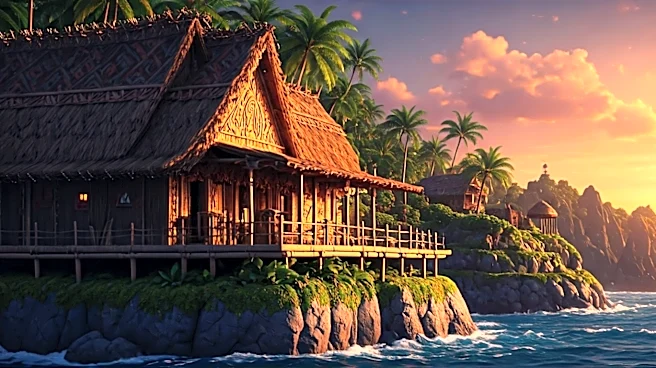
Building a Believable Motunui
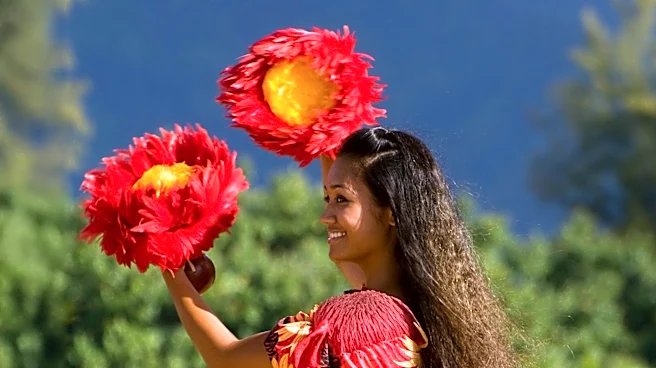
Creating Moana's home village is more than just set construction; it's an exercise in cultural authenticity. For the original animated film, Disney established an "Oceanic Story Trust," a council of Polynesian cultural experts, to consult on everything from character names to costume materials. This practice, continued for the sequels, ensures that the depiction of the culture is respectful and accurate. For the live-action version, this becomes a production design mandate. Every boat, hut, and costume must feel authentic to the ancient Polynesian setting. Star Catherine Laga'aia noted how seeing the intricately designed village sets brought a powerful sense of life and reality to the project, connecting the actors directly to the culture they are representing.
Giving the Ocean a Soul
In the animated film, the Pacific Ocean is a main character, a playful and protective force that guides Moana on her journey. Replicating this in live action is a massive visual effects challenge. How do you direct a real body of water to have a personality? The answer lies in a seamless blend of practical water effects and sophisticated CGI. The filmmakers must make the ocean's interventions feel magical but not cartoonish, a fine line to walk. Co-writer Dana Ledoux Miller believes the live-action format will enhance the story's stakes by showing the real, visceral danger of a teenager on the open ocean. It’s a shift from pure fantasy to a more grounded, yet still magical, reality.
Designing Gods and Monsters
Characters like the demigod Maui, the lava demon Te Kā, and the pint-sized Kakamora pirates pose a unique design problem. In animation, their larger-than-life qualities are part of the charm. In live action, they risk looking goofy or falling into the uncanny valley. For Maui, played by Dwayne Johnson, this meant developing a 40-pound prosthetic bodysuit and a crucial wig, as hair symbolizes power in Polynesian culture. Johnson has spoken about the challenge of performing under the weight of the costume while trying to convey the character's human vulnerability. The goal is to make Maui feel like a living, breathing being rather than just a voice coming out of an animated figure, a personal mission for Johnson, whose own grandfather inspired the character.