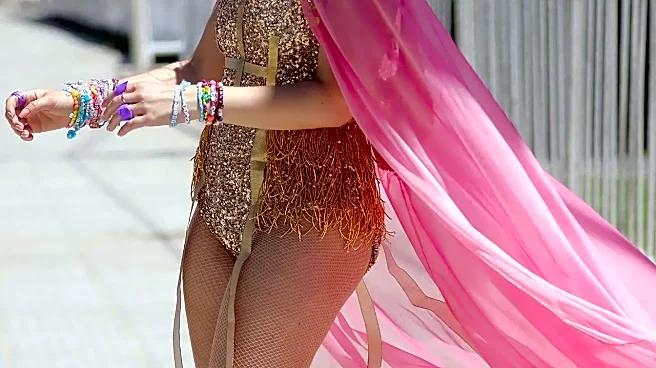

The Fast-Fashion Playa Trap
It’s tempting to fill an online cart with inexpensive, eye-catching outfits for a week in the desert. A haul of five to seven single-use outfits—sequined tops, faux leather pieces, and novelty accessories—can
seem like a bargain at $250 to $400. However, this approach comes with hidden costs. These garments are often so poorly made that they don't survive the harsh playa conditions. More importantly, they violate Burning Man's core principle of "Leave No Trace." Cheap sequins, feathers, and glitter easily fall off, becoming "Matter Out Of Place" (MOOP)—litter that volunteers must painstakingly clean from the desert floor by hand. This disposable mindset not only creates waste but also clashes with the event's ethos of decommodification and conscious participation.
The Foundation: Non-Negotiable Survival Gear
Before even thinking about costumes, every Burner needs essential survival gear. This is where skimping is not an option. A quality pair of broken-in boots that can handle miles of walking on alkaline dust is crucial ($100-$250). ANSI-rated, dust-proof goggles are non-negotiable for whiteouts ($30-$80). You’ll also need an effective dust mask, a reliable headlamp for the pitch-black nights, and a bicycle to navigate the vast city. At night, temperatures can plummet, making a warm, high-quality faux fur coat a piece of survival equipment as much as a style statement ($200-$400+). These foundational items represent an initial investment of roughly $400-$800, but they are built to last for many Burns to come.
Building a Reusable Burner Wardrobe
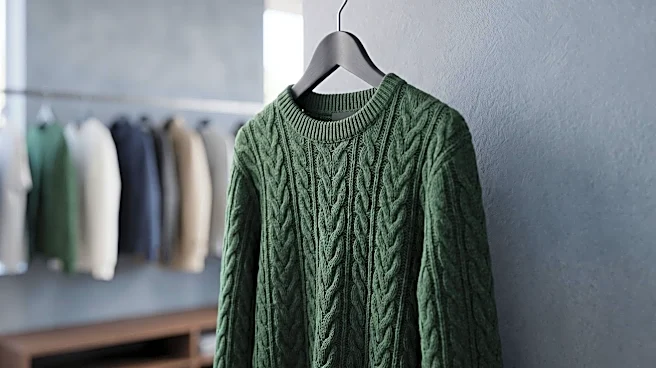
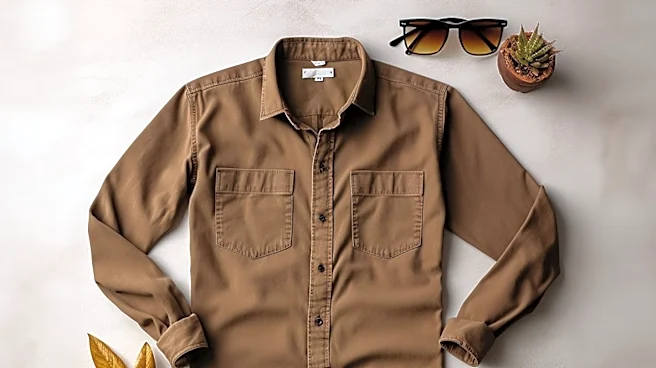
Investing in quality, versatile pieces is the most sustainable and, over time, cost-effective way to approach playa style. Instead of a dozen cheap outfits, think in terms of a modular system. This means durable leggings or utility pants, well-made tops, and multi-purpose layers. A high-quality statement piece, like an LED jacket or a handmade utility belt, might cost $150-$350 upfront but will define your look for years. These items are designed to withstand the elements and can be mixed, matched, and added to over time. An initial investment of $500 to $1,000 in a core reusable wardrobe might seem steep, but it ends the yearly cycle of panicked, wasteful shopping. In the long run, quality pieces have a lower cost-per-wear and align with the event’s spirit.
The Thrifty & Creative Approach: DIY and Secondhand
The most respected and often most impressive playa style comes from creativity, not cash. Thrifting, altering, and making your own gear is the ultimate expression of radical self-reliance. Local Burner clothing swaps and garage sales are treasure troves for unique finds. A few dollars at a thrift store can yield jackets to be deconstructed, old dresses to be modified, or fabrics to be repurposed. Learning simple techniques like braiding t-shirts or turning an old blazer into a vest can create something truly original for a fraction of the cost of new items. This approach, which can cost as little as $50-$150 for a full week's worth of customized looks, is not just budget-friendly; it's a direct participation in the event's creative and decommodified culture.