

The Standard Promotional Panel
First, let's define the two formats. The promotional panel is the one you hear about most. It takes place on the Main or Empire stage, features the cast and creators of a highly anticipated movie or TV show, and is explicitly designed to generate hype.
The structure is familiar: a moderator guides the talent through a series of pre-approved questions, they share a sanitized behind-the-scenes anecdote, and the session culminates with the debut of a new trailer or an exclusive clip. It’s exciting, for sure. This is where news is made. But at its core, it’s a marketing presentation. The goal isn't necessarily a deep or revealing discussion; it's to get you excited to buy a ticket or a streaming subscription. As one fan guide puts it, if the only purpose is to pitch a product, the value can be limited.
The Rise of the Conversation
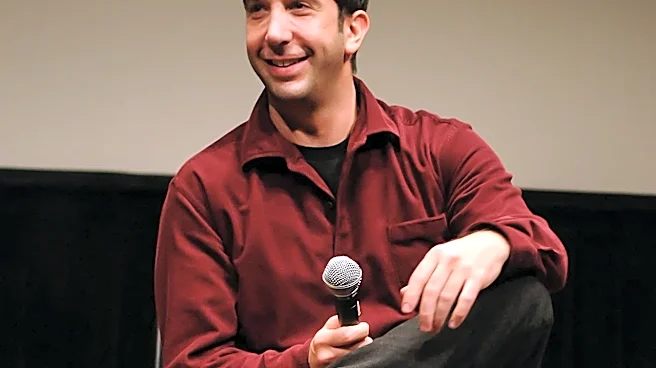
In contrast, the "In Conversation" format, often held in a smaller room, offers a different promise. These events typically feature one or two celebrities, sometimes with a skilled interviewer, discussing their life and career. The focus isn't on a single upcoming project but on a body of work, creative philosophy, and personal experiences. For example, a recent schedule featured rock icons Alice Cooper and Stevie Van Zandt discussing a memoir. These sessions are less about a hard sell and more about storytelling. Without the pressure of promoting a specific studio blockbuster, the atmosphere becomes more relaxed and candid. It feels less like a press conference and more like being invited into a personal chat.
Authenticity Over Advertisement
The fundamental difference—and the reason conversations often win—comes down to authenticity. Promotional panels are, by necessity, carefully managed. The talent has talking points, spoilers are forbidden, and every moment is calibrated for maximum marketing impact. While entertaining, these panels can feel impersonal, with the audience separated from the panelists on a large stage. Conversations, however, thrive on spontaneity. The looser structure allows for unexpected tangents, genuine emotional moments, and insights that a marketing plan would never accommodate. Fans get to see a side of the celebrity that isn't filtered through a public relations lens. This format fosters a sense of connection, making the experience feel more personal and memorable.
A Better Fan Experience
For many attendees, Comic Con is about community and connection—not just consuming advertisements. Waiting in line for hours only to watch what amounts to a slickly produced commercial can be deflating. The best panels are those where the audience feels like they are learning something new and participating in a real discussion. A conversation format is built for this. It respects the fan's intelligence and passion by offering substance over spectacle. Rather than just being told what to watch next, the audience gets to hear about the creative struggles, the career-defining moments, and the human side of the artists they admire. This provides a deeper, more satisfying payoff for the time and money invested in attending the convention.
The Long-Term Value
While a new trailer provides a fleeting sugar rush of excitement, the insights from a great conversation stick with you. Hearing an actor break down their craft, a writer discuss their inspirations, or a director share stories from a film made a decade ago offers lasting value. It enriches your appreciation for their entire body of work, not just the next project in the pipeline. These are the moments that truly feel exclusive to the live event experience—the kind of candidness you can't get from a press junket interview on YouTube. It's the difference between being sold to and being spoken to, and for a dedicated fan, that distinction is everything.