




The 'American Idol' Fallacy
We’ve been conditioned by two decades of reality singing competitions to judge performances on a narrow set of criteria: vocal precision, range, and the ability to mimic a well-known song. This 'American Idol' framework is a disaster when applied to hip-hop
tributes. The genre was built on originality, personality, and energy, not on hitting the perfect C-sharp. When we watch a tribute to a rap icon, we’re not looking for a cover band vocalist; we’re looking for an artist to channel a legacy. Judging a rapper’s tribute performance on their ability to perfectly replicate another M.C.'s exact vocal tone and cadence is like judging a master painter on how well they can trace. It completely misunderstands where the artistry lies. The goal isn’t imitation; it’s interpretation.
It's About Vibe, Not Verbatim
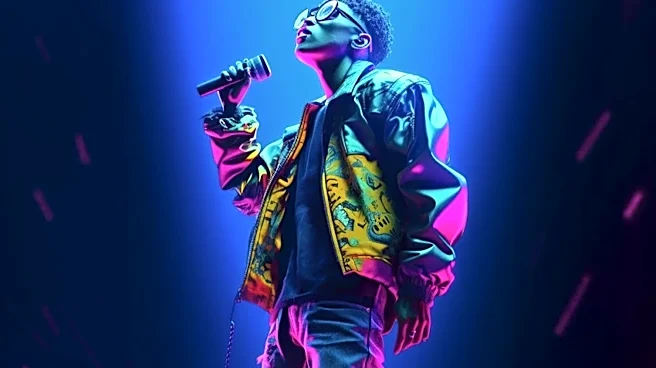
A successful hip-hop tribute is all about capturing the spirit. Did the performer bring the right energy? Did they understand the original artist's unique swagger and stage presence? Think about the medley tribute to Busta Rhymes at the 2023 BET Awards. The power wasn't just in reciting the complex, high-speed verses, but in channeling Busta's chaotic, larger-than-life stage dominance. Performers like Kendrick Lamar are lauded for their live shows not because they sound exactly like their studio albums, but because they use deliberate, powerful movements to command a stage. In contrast, Travis Scott’s performances are known for their chaotic, high-octane energy. Both are valid. A great tribute artist understands which of these energies—or what unique blend—is required. They honor the original by embodying their essence, making the audience feel the same way they did when they first heard the classic track. The audience should feed off the energy, creating a memorable experience.
More Than a Voice
Hip-hop artists are rarely just vocalists. They are storytellers, poets, entrepreneurs, and cultural figures. A tribute that only focuses on vocal delivery misses the vast majority of what made the honored artist an icon. When Run-DMC took the stage, it was about the attitude, the style, and the groundbreaking sound—not just the precise enunciation of "King of Rock." When Missy Elliott is honored, the tribute must acknowledge her visual innovation and Afrofuturistic imagination, not just the lyrics to "Lose Control." A performer’s job is to use the whole stage and connect with the audience, making eye contact and using body language to convey emotion. A tribute is a chance to celebrate the total package: the beat selection, the ad-libs, the fashion, and the cultural impact. Reducing that legacy to a simple vocal challenge is a profound disservice.
The Proof Is in the Performance
Consider the epic 50th-anniversary-of-hip-hop tributes at the Grammys and other events. These weren’t about a dozen artists trying to sound like each other. They were celebrations of distinct eras, styles, and personalities. Grandmaster Flash wasn't judged on his singing, but on his foundational record-scratching. Salt-N-Pepa brought their signature stage energy. The reverence for Takeoff in the Migos reunion at the 2023 BET Awards was a powerful emotional moment that had nothing to do with technical perfection and everything to do with honoring a legacy. These moments work because they understand the assignment: to create a feeling of connection and pay respect to a trailblazer. The performance is a success if it reminds you why you fell in love with the artist in the first place, not if it sounds like a high-quality recording.