


The Post-Pandemic Comfort Reckoning
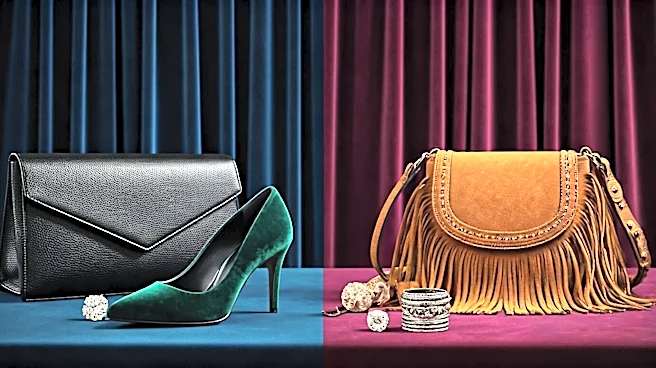
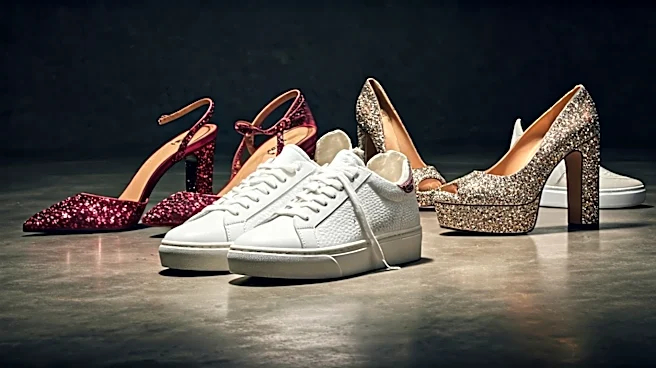
For years, the high-heeled pump was the undisputed symbol of professional power. It was the sound of a woman arriving, the punctuation mark at the end of a power suit. But after two years of working from home in slippers and sneakers, the idea of returning
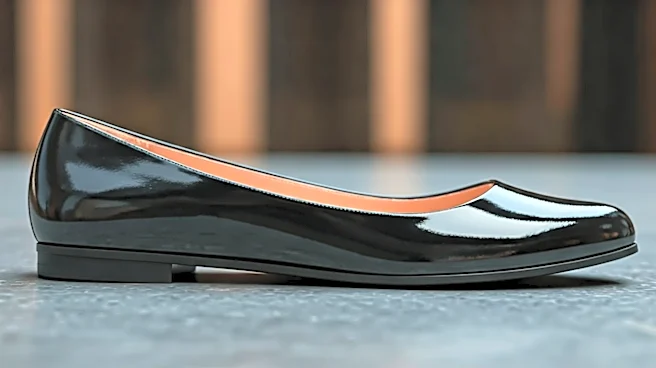
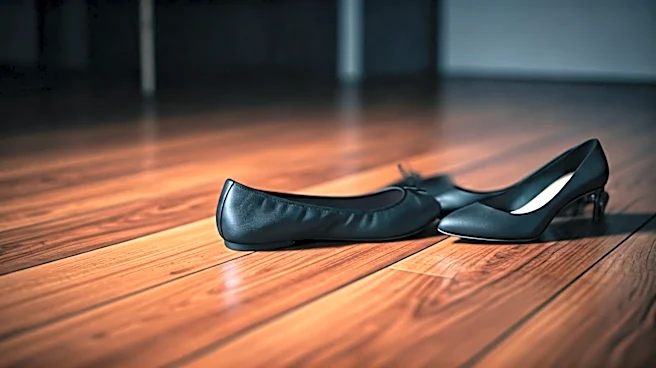
to a life teetering on 3-inch spikes lost its appeal for many. This isn’t laziness; it’s a mass reprioritization. We collectively discovered that competence isn't measured in heel height and that enduring discomfort is no longer a prerequisite for being taken seriously. The pandemic didn't just change where we work; it changed how we want to feel while we do it. The ballet flat, once relegated to casual weekends or a commuter’s secret weapon, stepped directly into the spotlight as the perfect synthesis of polish and practicality. It offers a finished look without the physical cost, a way to feel put-together on our own terms.
From Power Symbol to Quiet Confidence
The cultural narratives of these two shoes couldn't be more different. The pump has always been about projection: it’s loud, it alters your posture, it commands attention. Think of the cinematic trope of heels clicking down a hallway, announcing a formidable presence. It’s a shoe designed to be seen and heard. The ballet flat, in contrast, is about self-possession. Its confidence is inherent, not projected. It’s a key player in the “quiet luxury” trend, which favors timeless, high-quality pieces over flashy logos. A well-made leather flat whispers elegance rather than shouting status. This shift reflects a broader move away from overt displays of ambition and toward a more understated, assured sense of style. It suggests that true power isn't about performing for others, but about being comfortable and grounded in yourself. You can run to catch the train, navigate cobblestones, and stand through a long meeting without a second thought.
This Isn’t Your 2008 Ballet Flat
If you’re picturing the flimsy, scrunched-up flats of the mid-2000s, it's time for an update. Today’s ballet flat is a different animal. The silhouette is more refined, structured, and intentional. Look for styles with a slightly squared or elegantly pointed toe, which elongates the leg line much like a heel does. Materials have been upgraded from flimsy synthetics to supple leathers, rich suedes, and chic satins. Details like a delicate strap across the instep (the Mary Jane hybrid), a minimalist bow, or a sculptural vamp give the modern flat a sophisticated, almost architectural quality. It’s less of a girlish accessory and more of a foundational wardrobe piece, designed with the same care and attention as a classic loafer or ankle boot. This is a shoe you choose on purpose, not one you change into from your “real” shoes.
How to Style the New Standard
The beauty of the modern ballet flat is its incredible versatility. The old rules no longer apply. Forget saving them for cropped pants or skinny jeans. The chicest way to wear them now is by creating contrast. Pair a delicate, pointed-toe flat with wide-leg trousers or full-length denim; the sliver of shoe peeking out looks effortlessly cool. They are the perfect counterpart to the midi and maxi skirts that dominate current fashion, grounding the look without the formality of a heel. A simple black leather pair can make a classic jeans-and-tee combination feel instantly more polished and Parisian. For the office, a sleek satin or suede flat with tailored trousers and a blazer is the new power uniform—one that’s comfortable enough to carry you from a morning presentation to after-work drinks without missing a beat.