
Understanding the AHA Family
Before you put anything on your face, it helps to know what it is. AHAs are a group of chemical exfoliants derived from natural sources like fruit, milk, or sugar cane. They work by dissolving the 'glue'
that holds dead skin cells to the surface, allowing them to shed and reveal the fresher, brighter skin underneath. Unlike a gritty physical scrub, AHAs work imperceptibly to improve texture, boost radiance, and even reduce the appearance of fine lines over time. The most common AHAs in skincare are glycolic acid and lactic acid. They're well-researched and offer fantastic benefits, but they aren't the same.
Choose Your Acid: Glycolic vs. Lactic
Choosing the right AHA for your skin type is the first step to success. Glycolic acid has the smallest molecular size, which means it can penetrate the skin more deeply for more powerful and faster results. This makes it a great choice for resilient, oily, or sun-damaged skin types looking to tackle texture and dullness. Lactic acid has a larger molecule, so it works more on the surface and is considered much gentler. It also has hydrating properties, making it the ideal starting point for those with dry, sensitive, or reactive skin. If you're new to acids, starting with a gentle lactic acid is a safe bet.
The Golden Rule: Start Low and Go Slow
This is the most critical part of using AHAs correctly. More is not better, and patience is key. Begin with a low concentration, typically in the 5% to 8% range, which is effective for daily or regular use without being overly aggressive. Use your new product just once or twice a week at night to see how your skin responds. If after a few weeks your skin is happy—no persistent redness, stinging, or flaking—you can gradually increase the frequency to every other night, or as your skin tolerates. Rushing this process is the fastest way to compromise your skin barrier.
Your Step-by-Step Application Guide
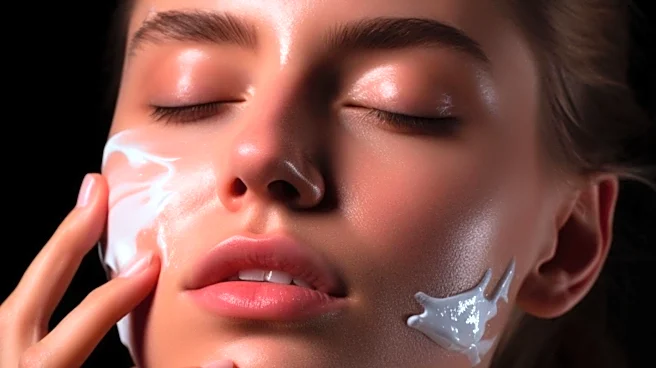
Simplicity is your friend. AHAs should typically be applied at night, as they can increase your skin's sensitivity to the sun. Start with a clean, dry face. Apply a thin, even layer of your AHA product—whether it's a toner, serum, or cream. You don't need to pile it on. Follow the application with a simple, hydrating moisturizer to support your skin barrier. Avoid using other potentially irritating active ingredients like retinol or benzoyl peroxide in the same routine, especially when you're just starting out. You can alternate them on different nights once your skin is well-acclimated.
The Unskippable Morning-After Step
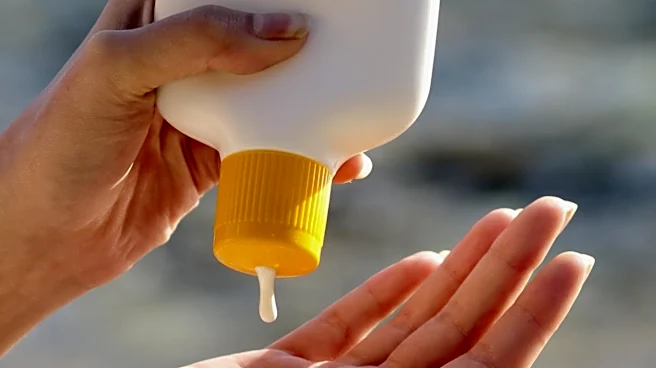
If you use an AHA at night, wearing broad-spectrum sunscreen with at least SPF 30 the next morning is non-negotiable. Exfoliating reveals fresh, new skin cells that are more vulnerable to sun damage. Skipping sunscreen not only negates the benefits of your AHA but can also lead to increased hyperpigmentation and sun damage. Think of your AHA and sunscreen as a team: one reveals your best skin, and the other protects it.
Red Flags: Recognizing Over-Exfoliation
Listening to your skin is crucial. If you're doing it right, your skin should feel smooth and look radiant. If you're overdoing it, your skin will tell you. The classic signs of over-exfoliation include increased redness and sensitivity, a tight or 'waxy' appearance, unusual dryness and flaking, or a stinging sensation when you apply other products. You might even experience more breakouts. If you notice any of these signs, stop all exfoliation immediately. Switch to a bare-bones routine with a gentle cleanser, a soothing moisturizer, and sunscreen until your skin barrier has fully recovered.