



An American Take on Aristocracy
The evening gown's story in America begins with a democratic twist on a European tradition. Originating in the royal courts of the 15th century, formal gowns were markers of rank and nobility. When the concept crossed the Atlantic, it had to be reconciled
with a new nation wary of aristocracy. In the early republic, formal wear was more restrained. First Lady Dolley Madison hosted the first inaugural ball in 1809, establishing a tradition where the gown was less about bloodline and more about representing the nation's character. In 1889, First Lady Caroline Harrison made a pointed statement by wearing a gown made entirely of American materials and by American designers, reinforcing her husband's platform of protecting domestic industries. This set a precedent: the American evening gown wasn't just about looking regal, but about embodying national ideals.
Hollywood Crafts the Dream
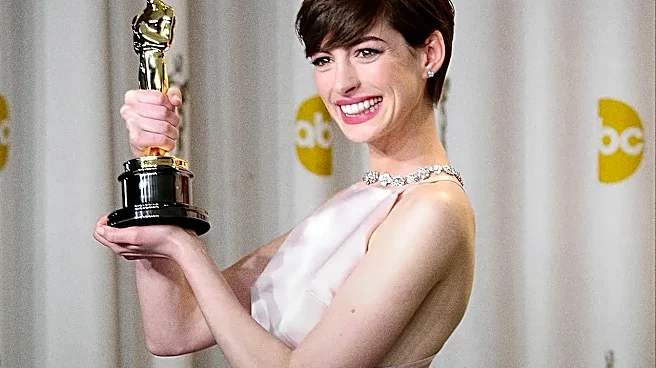
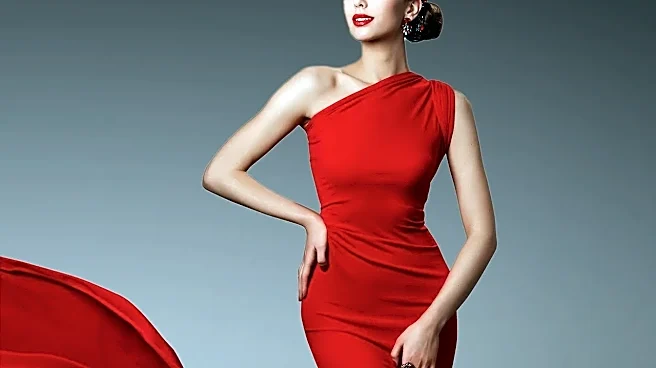
The 20th century saw Hollywood become the ultimate dream factory, and the evening gown was its most glamorous product. The bias-cut silk gowns of the 1930s, designed to move like liquid on screen, turned actresses into goddesses and established a new template for desire. Costume designers like MGM's Adrian became as influential as Parisian couturiers, creating slinky, sharp-shouldered silhouettes that were then emulated by women across the country. The red carpet solidified this connection, transforming premieres and award shows into national fashion events. The gown was no longer just for the elite; it was an accessible fantasy, a symbol of aspiration that anyone could admire and, through ready-to-wear versions, even participate in.
The First Lady's Diplomatic Tool
Nowhere is the gown's symbolic weight more scrutinized than on the First Lady. Every inaugural gown is seen as a snapshot of an administration's style and values. Jacqueline Kennedy’s elegant, simple chiffon gown in 1961 perfectly captured the modern, chic vision of her husband's 'Camelot'. Michelle Obama’s choice to wear a gown by Jason Wu, a young, then-emerging designer, for the 2009 inauguration was widely interpreted as a nod to inclusivity, youth, and the American dream. These choices are deliberate, signaling support for American designers and communicating a specific image to the nation and the world. The Smithsonian's First Ladies exhibit, one of its most popular, underscores this fascination, preserving these gowns as historical artifacts that tell a story beyond fashion.
From Status Symbol to Personal Statement
While its traditional forms persist, the modern evening gown has become a canvas for personal and political expression. The 1970s, with designers like Halston, introduced a slinky, comfortable jersey gown suited for the dance floor of Studio 54, reflecting a new, liberated ease. Today, events like the Met Gala have transformed the red carpet into a space for high-concept artistry and bold statements. The gown is now a tool for branding, a way to convey a point of view on everything from sustainability to social justice. The rise of the "naked dress" on social media-driven red carpets speaks to a culture of visibility and self-expression. In this modern context, the gown is less about conforming to a rigid code and more about defining one's own version of power and presence.