





The Art of the Perfect Pairing
The magic of a great double bill isn't just about watching two movies; it's about creating a third experience that exists in the space between them. Repertory cinemas have thrived by understanding this, curating screenings that offer nostalgia, discovery,
and conversation. The goal is to find a deliberate link that also allows for compelling contrast. It's not about just picking two movies you like. It's about making them talk. Forget sequels or movies from the same franchise. A true double feature places two distinct films into a dialogue, enhancing your appreciation for both. The key is to have one clear connection and a real difference in tone, style, or era. This method turns a passive viewing into an active, curated event.
Pairing by Theme: The Haunted Mind
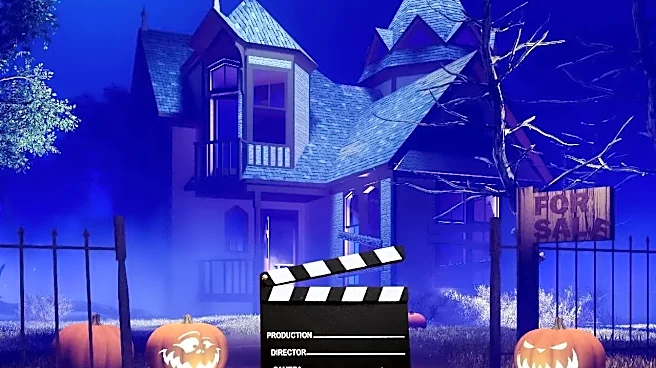
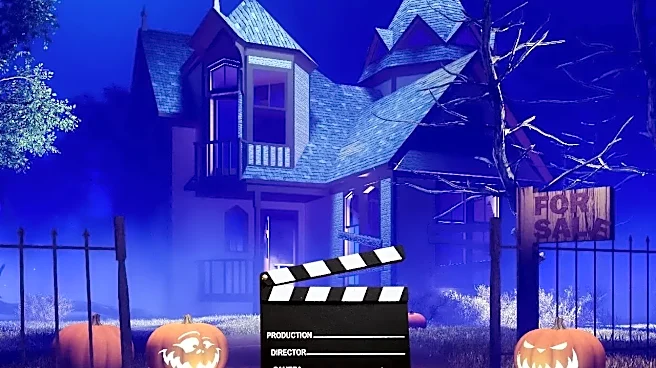
Thematic programming is the most direct way to create a conversation. Pick a concept and find two films that explore it from different angles. For a Halloween viewing, let's take the 'haunted house'. But instead of just ghosts, focus on psychological decay within a domestic space. Your pairing: 'The Haunting' (1963) and 'Hereditary' (2018). Robert Wise’s classic is a masterclass in suggestion, using sound and shadow to portray a woman’s terrifying mental collapse. It’s about what you don't see. Ari Aster’s modern masterpiece is a relentless, explicit portrayal of familial trauma manifesting as supernatural horror. One is an elegant, black-and-white descent into madness; the other is a brutal, full-color explosion of grief and terror. Together, they show a 55-year evolution in how cinema depicts the home—and the mind—as the ultimate haunted space.
Pairing by Auteur: The Director’s Signature
Auteur theory suggests that certain directors have such a distinct style they are the true 'author' of their films. Pairing two films from one director can reveal their obsessions and stylistic evolution. For Halloween, there's no better case study than John Carpenter. Your pairing: 'Halloween' (1978) and 'In the Mouth of Madness' (1994). 'Halloween' is the perfection of the slasher formula: economical, patient, and grounded in suburban dread. Michael Myers is a terrifyingly blank force of nature. Sixteen years later, 'In the Mouth of Madness' shows Carpenter tackling a much more abstract, cosmic horror. It’s a chaotic, mind-bending film that questions the nature of reality itself. Watched back-to-back, you see a master of suspense move from the horror you can see stalking you down the street to the horror of realizing the street itself might not be real.
Pairing for Conversation: Call and Response
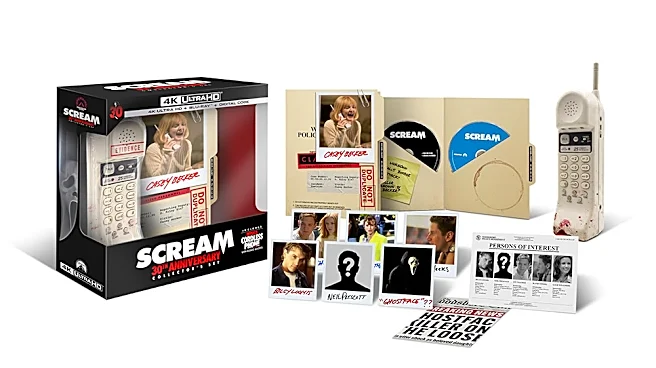
Some films are in direct dialogue with cinematic history. This approach pairs a foundational film with a movie that reinterprets, deconstructs, or pays homage to it. It’s about tracing influence and innovation across decades. Your pairing: 'Black Christmas' (1974) and 'Scream' (1996). Bob Clark’s 'Black Christmas' is arguably the first modern slasher, establishing many of the genre’s key tropes: the menacing phone calls, the 'killer’s-eye-view' POV shots, and the 'final girl'. It’s a raw, grim, and deeply unsettling film. Wes Craven’s 'Scream' takes that entire rulebook and makes it self-aware. Its characters have seen 'Black Christmas'. They know the rules. 'Scream' is a witty, meta-commentary on the genre that also functions as a terrifyingly effective slasher in its own right. The first film provides the blueprint; the second celebrates, satirizes, and reinvents it.
Pairing by Subgenre: The Found Footage Test
You can also explore the evolution of a specific horror subgenre. Found footage, for example, has a clear trajectory from gritty outlier to mainstream staple. Pairing two key examples can show how the form has been refined and repurposed over time. Your pairing: 'The Blair Witch Project' (1999) and 'Paranormal Activity' (2007). 'The Blair Witch Project' weaponized the primal fear of being lost in the woods, using its shaky, lo-fi aesthetic to create an unnerving sense of reality. The terror comes from folklore and the vast, dark wilderness. 'Paranormal Activity' brings that same 'is-it-real?' sensibility into the most familiar of spaces: the suburban bedroom. It trades the woods for a single static camera and the sounds of snapping twigs for a door creaking open. Together, they demonstrate the subgenre’s core appeal—authenticity—and its versatility in transforming both the great outdoors and our own homes into inescapable traps.