


The Man Who Would Be King
Let’s be honest: when Queen Rhaenyra put out the call for new dragonriders, no one expected the future of the realm to rest on men like Ulf the White. A man-at-arms known more for his love of wine and tall tales than any discernible skill, Ulf was a commoner
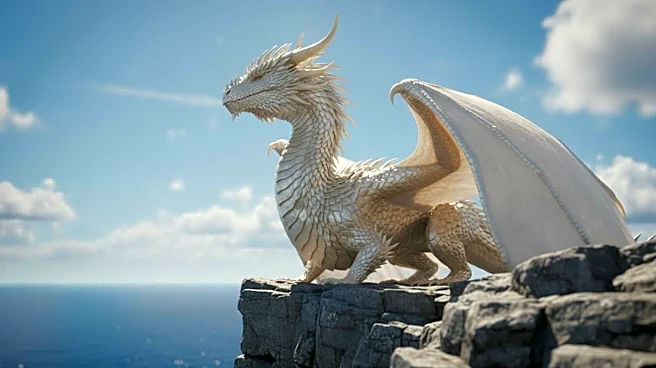
who claimed to be a Targaryen bastard. When he, against all odds, successfully bonded with the dragon Silverwing, he was handed a weapon of mass destruction and a seat at the table of power. This event, known as the Sowing of the Seeds, was Rhaenyra’s desperate gamble to counter the Greens’ dragon advantage. She gave swords, titles, and immense power to men from the gutter, assuming their low birth would ensure their gratitude. She was wrong. Ulf, along with fellow dragonseed Hugh Hammer, was a time bomb from the moment he took to the sky.
Loyalty for Sale
The central tragedy of the Dance of the Dragons is watching loyalties fracture. But most characters, from the Hightowers to the Velaryons, frame their choices in the language of duty, honor, or rightful succession. Ulf the White dispenses with the pleasantries. His loyalty is purely transactional. He fights for the Blacks in the Battle of the Gullet and is knighted, but the rewards are not enough. He sees his dragon not as a tool to serve a queen but as the ultimate leverage for personal gain. When Lord Ormund Hightower sends him to defend Tumbleton, Ulf sees a better offer. The show makes this explicit, with Ormund promising him lordship and a castle—things Rhaenyra was unwilling to grant a man she viewed as a mere soldier. Ulf’s betrayal isn’t born of a complex moral dilemma; it's a simple business decision. He joins the side that offers him more.
A Mirror to the Highborn
This is precisely why Ulf’s story is so vital. He is not an outlier; he is the most honest man in Westeros. While the high lords cloak their ambition in tradition and oaths, Ulf’s greed is naked and unashamed. He is what the aristocrats fear most: a person who sees their entire power structure as a game and is smart enough to learn the rules. His famous quote, "A dragonseed must watch his own neck, when he has no white-cloaked guardsmen to do it for him," reveals a worldview forged by powerlessness. Now that he has power, he applies the same cynical logic. The nobles are horrified by his crudeness, but they are guilty of the same sins. They just dress them in finer clothes. Ulf's desire for a lordship is no different from Otto Hightower’s desire to see his grandson on the throne; Ulf is just less polite about it.
The Price of Unleashing Power
Ulf's arc demonstrates the catastrophic failure at the heart of Rhaenyra’s cause. By arming men like Ulf and Hugh—dubbed the Two Betrayers—she unleashed a force she could not control. It wasn't just about adding dragons to her side; it was a fundamental class disruption. These men had no stake in the old system of oaths and fealty. After betraying the Blacks, Ulf’s ambition spirals. He is named Lord of Bitterbridge but soon declares he ought to be king himself. His allies on the Green council realize too late that a man loyal only to himself is a threat to everyone. He is eventually poisoned, not in battle, but by his own side because his ambition became too dangerous to manage. He represents the chaos that consumes the realm when the old rules of loyalty no longer apply, making him the perfect, terrifying symbol of the entire war.