
Mistake 1: The Non-Stop Headliner Schedule
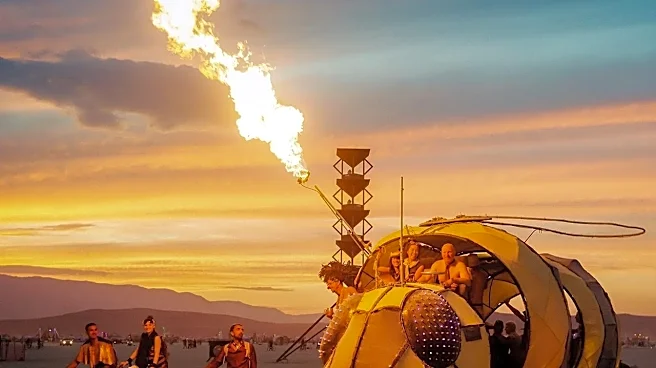
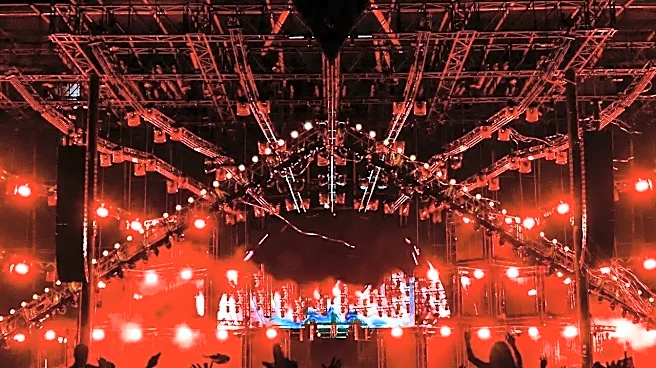
It’s tempting to book your biggest talent for primetime slots every single night. The problem? Burning Man isn’t a typical festival. Participants wander, explore, and operate on their own unpredictable schedules. By stacking your main events during the hours
when every other major sound camp is also at full blast, you’re competing for attention during peak sensory overload. More importantly, you create a schedule with no dynamic range. A great camp needs an energy arc—periods of high-octane fun, but also chilled-out moments for connection. A relentless barrage of peak-time sets can ironically make a space feel inaccessible and exhausting, causing people to seek refuge elsewhere.
Mistake 2: Forgetting the Daytime Desert
Black Rock City is a different beast under the sun. The heat is intense, and most people are seeking shade, rest, or low-energy engagement. If your camp’s entire identity is built around a massive nighttime sound system, you’re ignoring 12 hours of potential connection. Successful camps program for the day. This doesn't mean a rave at 2 p.m. It means offering a shaded lounge, a misting system, a quiet workshop, a cart-repair station, or a simple bar serving cold drinks. Daytime is when camp culture is built. It’s when strangers become friends. By creating a welcoming daytime environment, you build a loyal following that will remember to come back when the sun goes down.
Mistake 3: Zero Room for Spontaneity
A minute-by-minute schedule is a sign of great organization, but it can be the enemy of playa magic. Some of the most memorable Burning Man moments are unscripted: an impromptu acoustic set, a surprise art car visit, or a deep conversation that lasts for hours. If your programming is too rigid, you leave no space for these moments to happen. A great camp provides a framework, not a straitjacket. Leave open blocks in your schedule. Empower your campmates to initiate small, unofficial activities. Creating an environment where spontaneity is welcome ensures your camp feels alive and responsive, rather than like a pre-packaged entertainment venue.
Mistake 4: Offering Only High-Energy Activities
Not everyone comes to the playa to dance until dawn. Many are seeking connection, learning, and quiet introspection. If your lineup is exclusively DJs and fire performers, you’re catering to only one type of participant. This can make your camp feel one-dimensional and unwelcoming to a huge portion of BRC’s population. Diversify your offerings. Host a storytelling circle, a consent workshop, a guided meditation, or a skill-sharing class. These activities create intimacy and a sense of community. They provide a necessary counterpoint to the high-energy chaos, making your camp a more well-rounded and appealing destination for a wider variety of people.
Mistake 5: The 'If You Build It, They Will Come' Fallacy
Your camp might have the most incredible lineup listed in the WhatWhereWhen guide, but on the playa, that’s only half the battle. You have to make your space feel inviting from the street. Is your entrance clearly marked and welcoming? Is your public space obviously public, or does it feel like a private party people are afraid to enter? Good lighting, clear signage, and an open, accessible layout are crucial. People shouldn't have to wonder if they are allowed in. A closed-off facade, no matter how cool the music is inside, will deter passersby. The best programming in the world is useless if no one feels welcome enough to walk through the door.