


The Aloe Vera We Think We Know
For generations, the aloe vera plant has been a staple in home remedies and a star ingredient in the beauty industry. We break off a leaf to soothe a minor burn, we buy gels promising to calm our skin, and we see it touted in everything from moisturizers
to serums. Its reputation is built on a foundation of real benefits: the clear, jelly-like substance inside the leaves is rich in water, vitamins, antioxidants, and anti-inflammatory compounds. This is why it’s celebrated for hydrating dry patches, calming redness, and accelerating the healing of minor skin irritations. It’s the plant we turn to when our skin needs gentle, cooling relief, a natural hero in our collective skincare consciousness. For most, the process seems simple enough: break open a leaf and apply the gel directly to the skin. But as it turns out, there’s a bit more to it.
The Critical Step Everyone Misses
The secret that dermatologists and plant experts want you to know lies between the tough green outer skin and the celebrated clear inner gel. When you first cut an aloe leaf, you may notice a yellowish, bitter-smelling liquid ooze out. This substance is called aloe latex, and it contains a compound named aloin. The hidden step that is so crucial for safe topical use is to remove this latex before applying the gel to your skin. Many people who believe they are allergic to aloe vera may actually be reacting to this irritating latex layer, not the beneficial gel itself. Simply slicing open a leaf and smearing everything inside onto your face is a common mistake that can lead to unexpected and unpleasant skin reactions.
Why This Yellow Layer Can Be a Problem
So what’s the big deal with a little yellow sap? Aloin is a potent compound that serves as the plant’s natural defense mechanism. While it has been used historically as a powerful oral laxative, its effects on the skin are far from desirable. For many people, applying aloin directly to the skin can cause contact dermatitis, leading to redness, itching, burning sensations, or rashes. Some studies also suggest that compounds like aloin can increase photosensitivity, making your skin more vulnerable to sun damage—the exact opposite of what you want when treating a sunburn. While not everyone will react, those with sensitive skin, eczema, or other inflammatory skin conditions are particularly at risk. Skipping the removal of this latex layer means you're gambling with irritation each time you use fresh aloe.
How to Safely Prepare Fresh Aloe
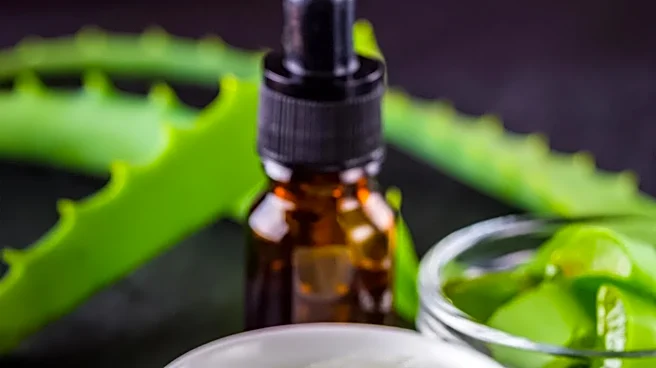
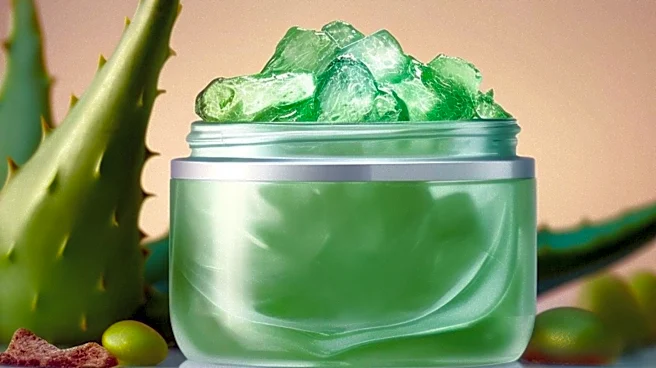
Fortunately, preparing fresh aloe safely is simple once you know the process. It just requires a few extra minutes of patience. First, after cutting a mature leaf from the plant, stand it upright in a glass or jar for 10 to 20 minutes. This allows gravity to do the work, draining the yellow aloin-rich latex from the leaf. You will literally see the yellow liquid pool at the bottom. After draining, lay the leaf flat and wash the exterior thoroughly. Slice off the spiny edges with a sharp knife. Then, carefully fillet the leaf by slicing off the top and bottom layers of the green rind, much like you would fillet a fish, leaving you with the clear, translucent gel. For an extra measure of safety, give the clear gel a final rinse under cool water to wash away any remaining residue before you use it. Now, you have pure, soothing aloe gel without the irritating latex.
What About Store-Bought Gels?
If this preparation sounds like too much work, you're not alone. This is where well-formulated commercial aloe vera products come in. Reputable skincare and cosmetic companies use processes to filter and purify the aloe, specifically to remove the aloin. When you buy an aloe gel from a trusted brand, you are getting the benefits of the inner leaf gel without the risks of the latex. Look for products labeled as "decolorized," "purified," or made from "inner leaf gel," which indicates the aloin has been removed. Be wary of products that have a long list of additives, fragrances, or alcohol, as these can be irritants themselves. A high-quality, purified aloe product offers a convenient and reliably safe way to incorporate the plant’s soothing properties into your routine, no filleting required.