


A Direct Line to Nostalgia
The filmmakers made a crucial, daring decision: their movie would be a direct sequel to the 1978 original, ignoring every other sequel and reboot in the franchise. This move was genius. It swept away decades of convoluted and contradictory lore, offering
a clean, simple entry point for new and old fans alike. The premise became instantly compelling: after 40 years, the original 'final girl', Laurie Strode, would have her definitive rematch with Michael Myers. This wasn't just another installment; it was positioned as the true conclusion to the story that started it all, a promise that resonated deeply with audiences who grew up fearing The Shape.
The Return of the Queen
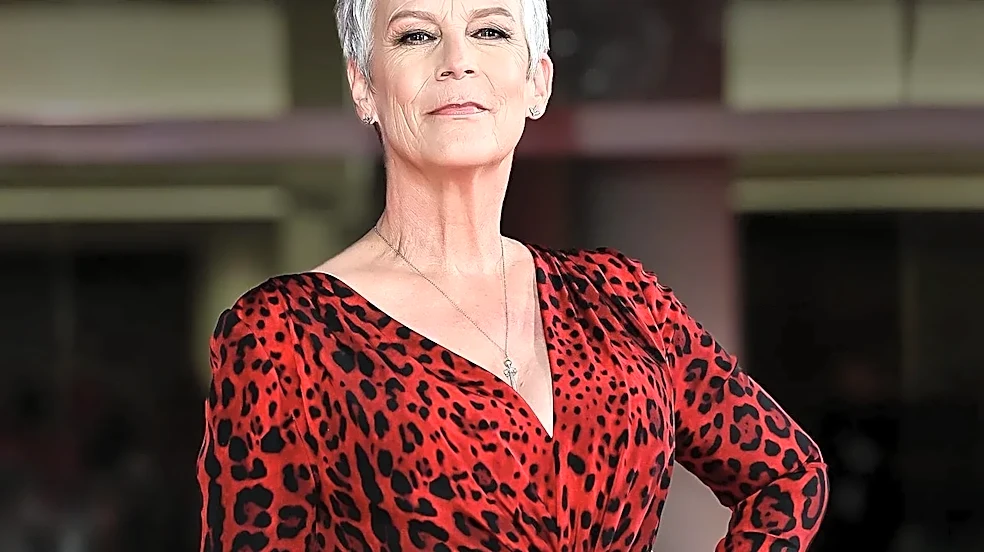
You cannot overstate the importance of Jamie Lee Curtis's return. Her involvement wasn't just a nostalgic cameo; it was the entire emotional and marketing core of the film. But this wasn't the terrified teenager from 1978. The 2018 version of Laurie Strode was a hardened survivor, a grandmother who had spent 40 years preparing for Michael's inevitable return. This narrative reframing was powerful, turning a potential victim into a compelling, proactive warrior. Curtis's passionate promotion of the film, framing it as a story of trauma and resilience, gave the project a sense of prestige and importance that elevated it far beyond a simple cash-grab sequel. In fact, the movie set a record for the biggest opening ever for a film with a female lead over 55.
The Blumhouse Blueprint
Enter Jason Blum, the producer who has turned low-budget horror into a high-profit art form. True to the Blumhouse model, 'Halloween' was produced for a lean $10 million. This low-risk financial structure is a key part of the company's success. By keeping costs down—using minimal locations and offering profit-participation deals to key talent instead of huge upfront salaries—Blumhouse ensures its films are practically guaranteed to be profitable. This financial safety net also provides immense creative freedom. It allows directors like David Gordon Green to make the film they want to make, without excessive studio notes aimed at pleasing a theoretical four-quadrant audience. For 'Halloween', it meant the film could be unapologetically R-rated and brutal, just as fans wanted.
The Master's Blessing
Another masterstroke was securing the involvement of the original's director and composer, John Carpenter. Though he didn't direct, Carpenter served as an executive producer and, most importantly, co-composed the film's score. His blessing gave the project immediate credibility, signaling to skeptical fans that this sequel was different and worthy of their attention. His iconic, synth-heavy 'Halloween' theme is one of the most recognizable pieces of music in film history. Having him update and re-imagine the score for a new generation was a marketing coup and a clear signal that the film was respecting its sacred roots while creating something new.
Perfect Timing and Smart Marketing
Universal Pictures marketed the film not just as a horror movie, but as a must-see cultural event. The trailers focused heavily on the 40-year grudge match between Laurie and Michael, selling a story of epic confrontation. The film also arrived during a new golden age for horror, following the massive successes of films like 'Get Out' and 'It'. Audiences were primed for well-made, thoughtful horror. 'Halloween' delivered on that, earning strong reviews that praised its suspense, direction, and Curtis's powerful performance. It was the perfect storm: a beloved property, a revered star, a smart financial model, and a marketing campaign that sold the movie as the can't-miss cinematic event of the season.