




First, What Is Royal Ascot?
Before we get into hemlines, let’s set the scene. Royal Ascot isn’t just any day at the races; it's a historic British institution dating back to 1711 and attended by the Royal Family. The high-society event is as much about what you wear as which horse
you bet on. The famously strict dress code isn't just a suggestion—it's a requirement for entry into its most prestigious areas, known as Enclosures. Each Enclosure has its own set of rules, creating a tiered system of formality. Think of it less as a costume party and more as a beautiful, coordinated uniform that upholds a centuries-old tradition of elegance.
The Royal Enclosure: The Pinnacle of Formality
This is the most exclusive area, historically reserved for guests of the monarch. The rules here are ironclad. For women, dresses and skirts must be of “modest length,” defined as falling just above the knee or longer. Straps on dresses and tops must be at least one inch wide—no spaghetti straps, halters, or off-the-shoulder styles allowed. Sheer fabrics are a major faux pas. For men, it’s a non-negotiable uniform of black, grey, or navy morning dress, which includes a waistcoat, tie (no cravats), a top hat, and black dress shoes worn with socks. The top hat can be removed within a restaurant, private box, or terrace, but it's otherwise part of the required attire. It’s the sartorial equivalent of the Super Bowl’s VIP box, dialed up to 11.
The Queen Anne Enclosure: Style with More Freedom
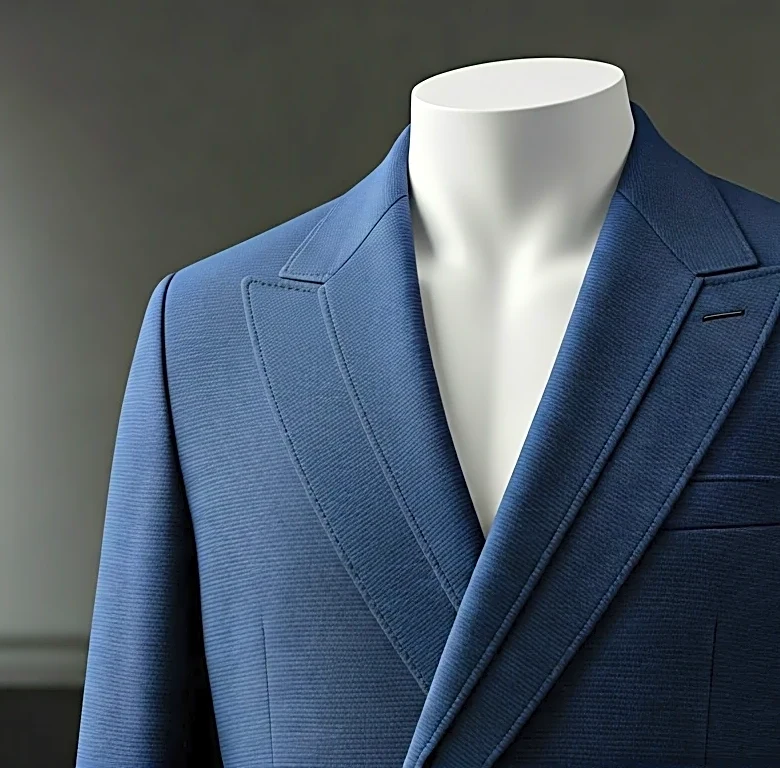
This is the premier public enclosure and where most racegoers experience Ascot. The rules are still formal but offer more flexibility. While a hat, headpiece, or fascinator is required for women at all times, the rules on dress length and straps are slightly more relaxed. Strapless and sheer-strap dresses are still out, but the creative expression in silhouettes and colors is much broader. This is where you see more fashion-forward interpretations of classic race-day style. For men, a full suit with a collared shirt and tie is mandatory. While not as rigid as the morning dress of the Royal Enclosure, it still means no jeans, chinos, or sneakers. It's about looking sharp and sophisticated without the top-hat-level commitment.
Decoding Millinery: Beyond the Fascinator
Nothing says “Royal Ascot” like a magnificent hat. Millinery is a non-negotiable part of the dress code for women in the top enclosures. In the Royal Enclosure, a hat is required; fascinators are explicitly forbidden. A headpiece may be worn instead, but it must have a solid base of at least 4 inches in diameter. This rule was implemented to curb the trend of tiny, barely-there fascinators and bring back the grandeur of traditional hat-wearing. In the Queen Anne Enclosure, fascinators *are* permitted, alongside hats and headpieces, giving attendees a wider range of options. The unwritten rule? Go bold. Ascot is a rare opportunity for milliners to showcase their most theatrical and artistic creations.
Modern Tailoring: Jumpsuits and Trouser Suits
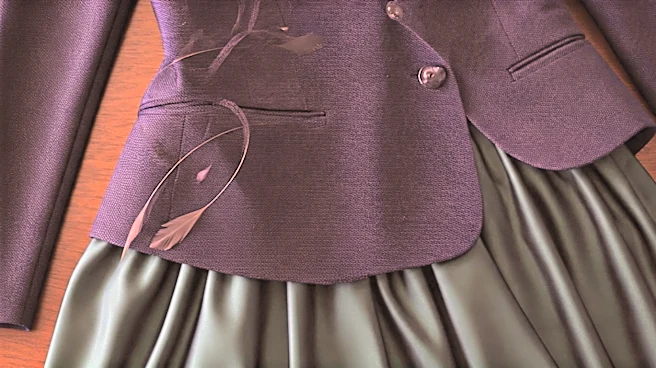
For years, trousers were off-limits for women in the Royal Enclosure. But the dress code has evolved. Today, both trouser suits and jumpsuits are welcome, provided they adhere to specific guidelines. Trouser suits must be of full length and matching material and color. Jumpsuits must also be full-length, falling to the ankle, and follow the same neckline and strap rules as dresses. This shift was a major step, acknowledging that modern elegance isn’t confined to a dress. It opened the door for sleek, contemporary tailoring to have its moment alongside classic feminine silhouettes, proving that tradition can adapt without sacrificing its spirit.