


The Ritual of Appointment TV
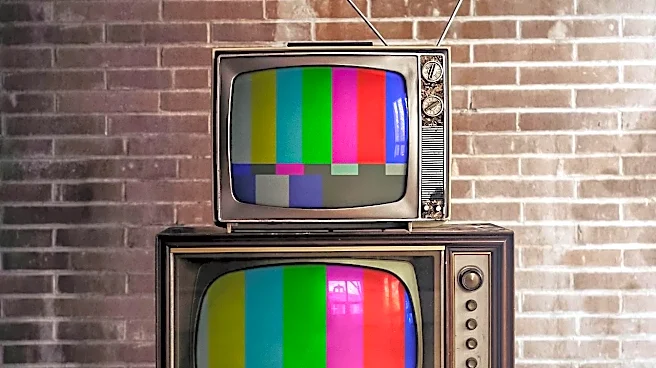
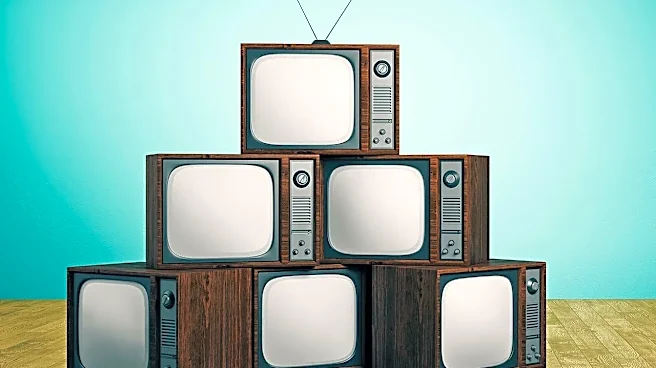
For Generation X, television was an event. It was a fixed point in the week, a time when families and friends gathered to watch a show at its scheduled airtime—or risk missing it entirely. This was the era of “appointment viewing,” a ritual built around
a limited number of channels and the weekly release of new episodes. Before the VCR became a household staple, missing the annual broadcast of 'The Wizard of Oz' or the finale of a hit miniseries meant you were out of the pop culture loop until the reruns, if you were lucky. This scarcity created a powerful shared experience. The Monday morning debrief at the office or in the schoolyard was fueled by what everyone had watched on 'must-see TV' the previous Thursday night. Gen Xers recall planning their evenings around these broadcasts, a concept almost foreign to younger viewers. This generation witnessed the transition from a few broadcast channels to the explosion of cable, but the fundamental principle remained: the network decided when you watched.
The Freedom of the On-Demand Binge
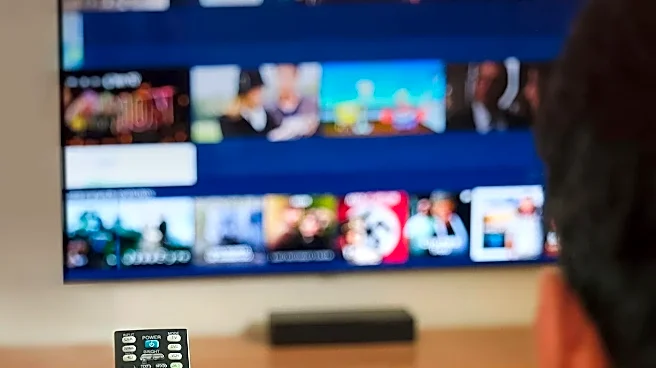
Enter Gen Z, the first true digital natives who grew up with the internet in their pockets. For them, the concept of waiting a week for the next episode is largely incomprehensible. Their media consumption is dominated by streaming platforms like YouTube, Netflix, and TikTok, where content is available on-demand, personalized, and often consumed in rapid-fire sessions. Recent data shows that a significant portion of Gen Z watches little to no live TV at all, preferring video-sharing platforms. This is the binge-watching generation, who expect entire seasons to be released at once. Their discovery of new shows isn't driven by a prime-time slot but by social media algorithms, creator recommendations, and online fan communities. In fact, nearly half of Gen Z sees watching social media videos as equivalent to watching traditional TV shows or movies. They don’t just watch content; they interact with it, creating a more fragmented but highly personalized media diet.
Networks Caught in the Crossfire
This generational divide has created a massive scheduling clash for television networks and streaming services. How do you cater to a Gen X viewer who enjoys the weekly anticipation of a drama while also capturing the Gen Z viewer who wants to consume all ten episodes over a weekend? Broadcasters are increasingly adopting a hybrid model. A major network might still premiere a flagship show in a traditional weekly slot to build buzz and serve its legacy audience, but it will also make the episode available on its streaming app immediately after. Streamers themselves are experimenting. While Netflix popularized the all-at-once season drop, platforms like Hulu and Max often release the first few episodes of a new series before reverting to a weekly schedule. This strategy attempts to have it both ways: it creates an initial binge-worthy event to hook viewers while stretching out the conversation and media coverage over several weeks, mimicking the old appointment TV model to avoid the show disappearing from the cultural conversation after one weekend.
The Future of the Water Cooler
The fundamental casualty of this clash is the “water cooler” moment—that shared cultural touchstone created when millions of people experience the same story at the same time. While shows like 'Game of Thrones' proved that appointment viewing could still exist in the streaming era, they are the exception, not the rule. Today’s water cooler is a fractured, chaotic space spread across TikTok feeds, Reddit threads, and Discord channels. A show can be a massive hit within a certain demographic while being completely unknown to another. Gen X largely maintains a hybrid approach, using streaming services extensively while still engaging with traditional TV. Conversely, Gen Z’s media diet is so heavily tilted toward social and user-generated content that they are often more influenced by online creators than traditional TV personalities. This has forced the entertainment industry to recognize that a single marketing or distribution strategy is no longer viable. The monoculture that appointment TV once created is gone, replaced by a vast landscape of thriving micro-cultures.