



The Agony of the Overlap
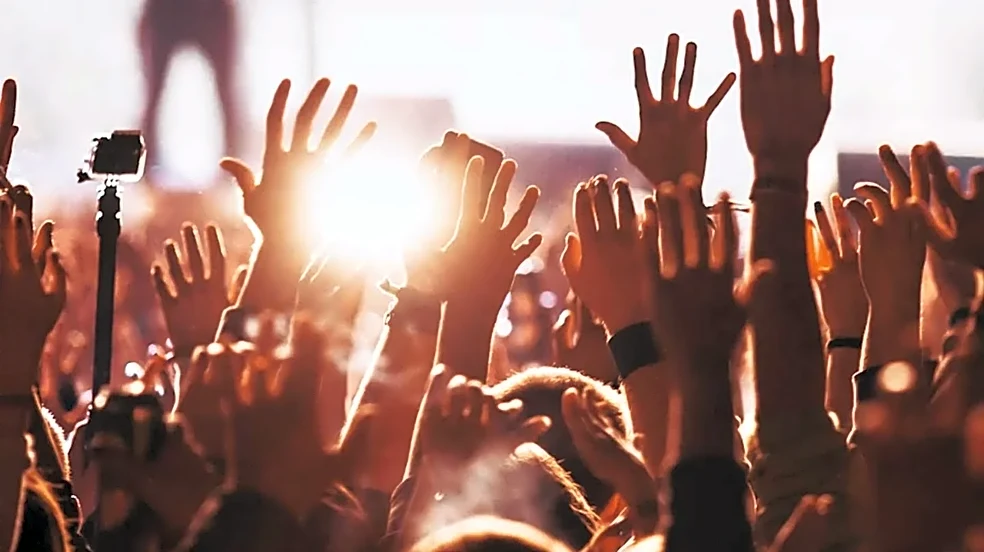
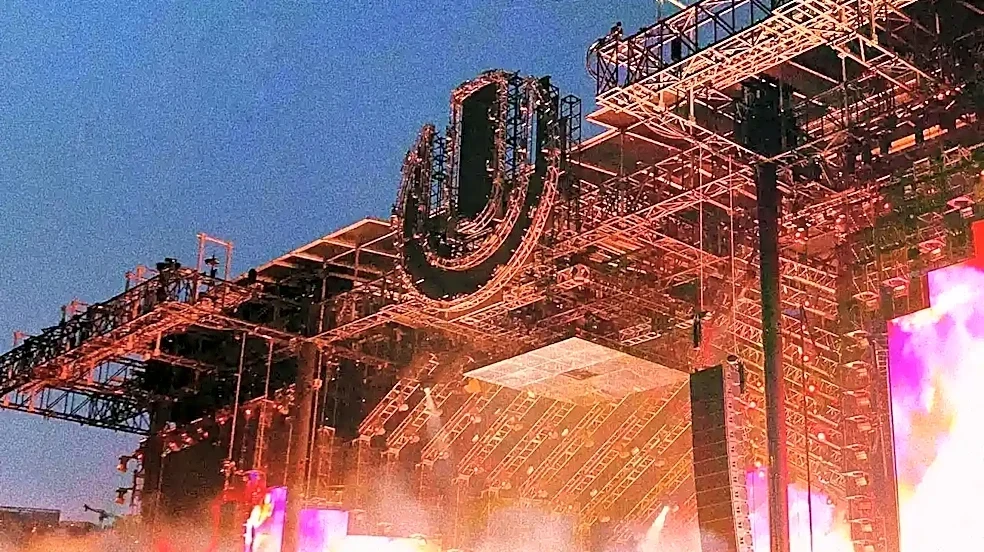
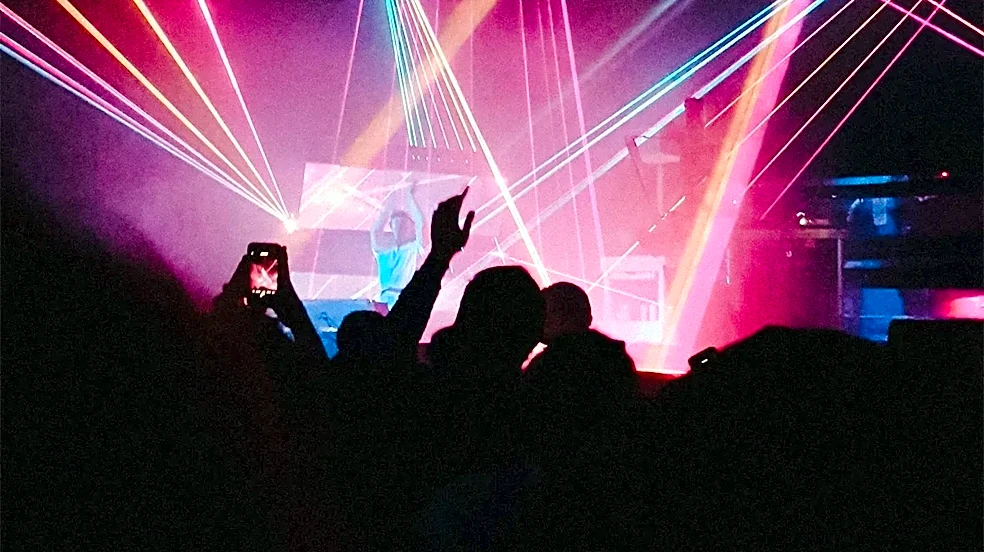
At any music festival with more than one stage, organizers face the dizzying puzzle of multistage scheduling. The goal is to create a seamless flow of music and manage crowds, but the result for fans is often a series of heartbreaking choices. Do you
catch the first half of a legendary rapper's set or the entirety of a rising indie star's performance? This fear of missing out, combined with the frantic rush between stages, is a fundamental part of the modern festival experience. Organizers intentionally create overlaps to prevent massive crowds from overwhelming a single area. For fans, however, this means your weekend is dictated by a schedule that often feels designed to test your loyalty and stamina. You can't see everything, and trying to is the fastest way to spend your entire weekend walking instead of enjoying the music.
Flog Gnaw’s Unique Curation Puzzle
What elevates this problem at Camp Flog Gnaw is its distinctive, genre-defying curation, personally driven by founder Tyler, the Creator. The festival is less a genre-specific event and more a living embodiment of one person's eclectic taste. The lineup intentionally places hardcore bands like Turnstile alongside R&B experimentalists like Steve Lacy and rap titans like Future. Unlike a festival focused solely on electronic or rock music, Flog Gnaw attracts a fanbase with incredibly diverse interests, often within the same person. The same fan who loves the classic soul of Thee Sacred Souls might also be there for the hard-hitting rap of Vince Staples. This means a conflict between two wildly different genres isn't just an inconvenience; it's a direct clash of equally important cultural touchstones for a significant portion of the audience, making the scheduling choices feel particularly painful.
The Dodger Stadium Dash
The physical layout of Camp Flog Gnaw at Dodger Stadium adds a layer of exhausting reality to these theoretical conflicts. The festival grounds spread across the vast, unforgiving asphalt of the stadium's parking lots. Navigating this space is a challenge in itself. The walk between the main stages, often dubbed 'Flog' and 'Gnaw', can take a crucial 5 to 10 minutes, and that's without navigating the thickest crowds. This 'Dodger Stadium Dash' means that even if two sets only overlap by 15 minutes on paper, the travel time makes seeing a significant portion of both nearly impossible. Attendees often have to leave one performance early just to beat the human traffic and secure a decent viewing spot for the next act on their list. The hard surfaces and potential for heat add a physical toll that makes stage-hopping more draining than at a festival held in a grassy park.
The Surprise Guest Gamble
Adding a final layer of chaotic unpredictability is Camp Flog Gnaw's reputation for surprise guests. In past years, headliners and other performers have brought out unannounced stars, creating legendary, one-time-only moments. This culture of surprises turns every scheduling decision into a high-stakes gamble. Do you stick around at a set hoping for a rumored appearance, or do you leave to catch a confirmed favorite on another stage? The infamous 2019 incident where fans, anticipating Frank Ocean, booed the surprise guest Drake, highlights the intense expectations surrounding these moments. This element of surprise, while exciting, means that even the most meticulously planned schedule can be thrown into disarray, forcing fans to make split-second decisions that could lead to either legendary memories or deep regret.