



From Title Cards to Thematic Overtures
Not long ago, a show's opening was a functional, often forgettable, list of names. Think simple title cards or a catchy but basic montage. Today, that space has become a hallowed ground for creative expression. Driven by the rise of prestige TV and the need
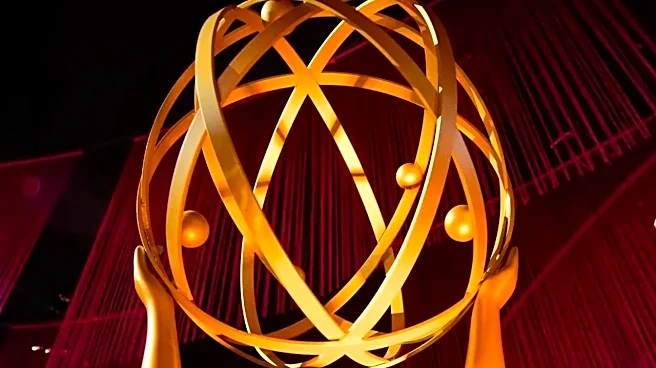
for streaming services to establish a show’s high-quality brand from the first second, the title sequence has transformed. It's no longer just an introduction; it’s a prologue. It sets the tone, establishes the world, and provides a thematic roadmap for the story ahead, all within about 90 seconds. This evolution has turned the Outstanding Main Title Design category at the Creative Arts Emmys into a showcase for some of television's most innovative visual storytelling.
Anatomy of a Mini-Movie
What elevates an opening credits sequence to a “miniature film”? It’s a combination of cinematic techniques working in harmony. The score is paramount, creating an instant mood, whether it's the unnerving corporate dread of "Severance" or the joyful, anachronistic dance party of "Pachinko". Visually, these sequences employ sophisticated animation, live-action concepts, and CGI to tell a story through metaphor and symbol. The Emmy-nominated titles for shows like "The Last of Us" or "Fallout" use their openings not just to credit the cast but to immerse the viewer in a specific aesthetic—be it a world succumbing to a fungal plague or a retrofuturistic, post-apocalyptic America. This potent blend of music, visuals, and narrative economy makes them feel complete and self-contained.
The 2026 Emmy Contenders: A New Wave of Artistry
While the official winners for the 2026 Creative Arts Emmys are revealed in early September, the nominations announced in July already highlight the incredible range of modern title design. This year's contenders include the creative teams behind shows like the Stephen King prequel "IT: Welcome To Derry," the sci-fi drama "Murderbot," and the stylish crime series "Spider-Noir." These nominees reflect the broader trends in television. You have major franchise extensions that need to establish a unique identity, high-concept sci-fi that uses titles to explain its world, and period pieces that lean on design to transport the audience. The recognition for the theme music in shows like "Murderbot" and "Pluribus" further underscores how integral sound is to a sequence's success.
The Art of Beating 'Skip Intro'
In the age of binge-watching, the “Skip Intro” button is the title designer's greatest nemesis. This has inadvertently raised the stakes, forcing creators to make sequences so compelling, beautiful, or thematically essential that viewers choose not to bypass them. A great title sequence becomes part of the ritual of watching the show. For series with evolving narratives, the opening can even change from season to season, reflecting shifts in the story or characters, as seen in shows like "The White Lotus" or "American Horror Story." This makes the sequence a dynamic part of the narrative, rather than a static element. It’s a show's first and best chance to prove it's worth your time, promising a unique world and a story you won't want to miss a single second of.