


The Art of the Slow Burn
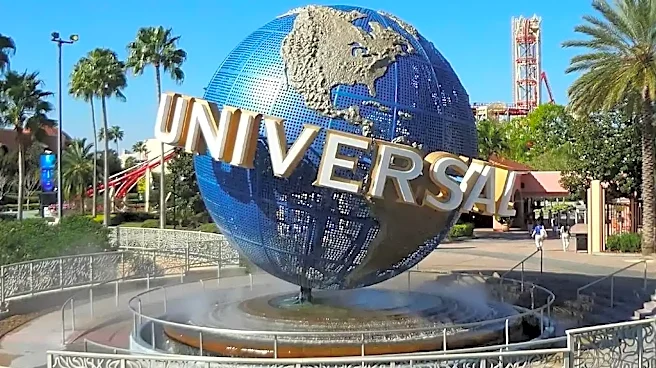
In the world of haunted attractions, the temptation is to throw everything at the guest, all the time. More monsters, more noise, more chaos. Halloween Horror Nights at Universal Studios is certainly capable of this sensory overload. Yet, its most celebrated
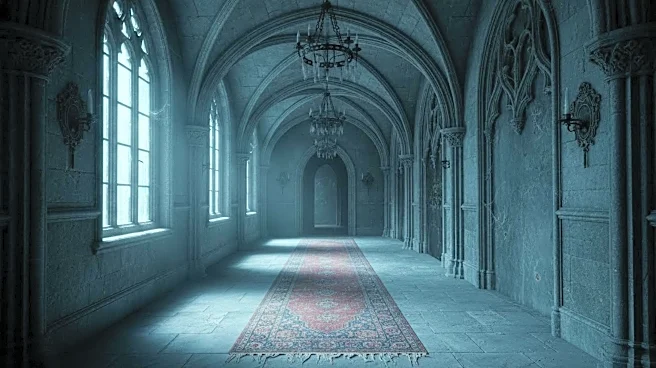
and artistically successful haunted houses often defy this logic. They embrace the power of the slow burn, understanding that true terror isn’t just about what jumps out at you, but about the suffocating dread of what might be lurking in the next dark corner. This technique preys on a fundamental human fear: the unknown. By stripping away constant noise, designers force guests to lean in, to listen closer, and to let their own imaginations become the engine of their fear. An eerie silence or a single, distant, unexplained sound can be far more unsettling than a dozen scare-actors screaming in your face, because it creates a sense of vulnerability and isolation.
A Case Study in Quiet Dread: The Haunting of Hill House
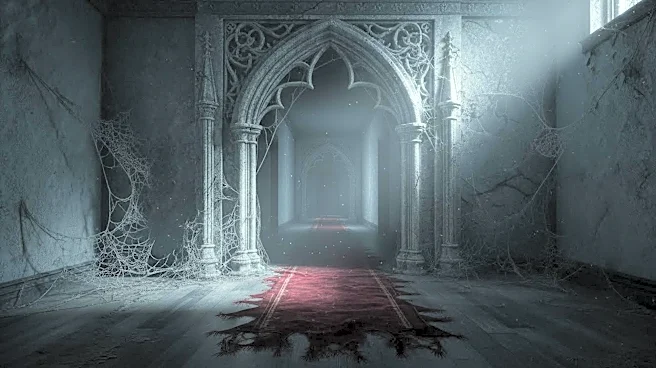
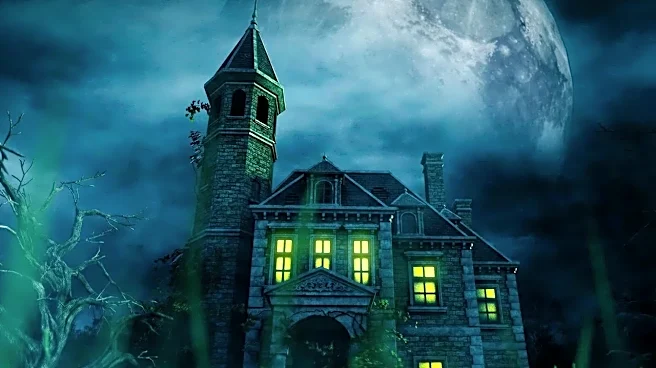
Perhaps no maze in recent memory better exemplifies this philosophy than 2021’s “The Haunting of Hill House.” Based on the critically acclaimed Netflix series, the house was noted for being a slow-burn experience that prioritized atmosphere over constant jump scares. Instead of a simple monster mash, it recreated the oppressive, melancholic feeling of the show itself. Guests walked through iconic scenes from the Crain family’s ordeal, from the ominous Hall of Statues to the infamous Red Room. The scares were often subtle and theatrical, using tricks of light and misdirection. Ghosts would appear and disappear, and the chilling presence of the Bent-Neck Lady was a recurring, dread-inducing motif rather than a simple pop-out scare. Reviewers and fans noted that while some found it less frantic than other houses, its commitment to the show's psychological horror made it a crowd favorite and a masterclass in building tension. It was a house that lingered in your mind long after you exited into the safety of the park.
When Silence Makes the Reveal Monumental
The core genius of a quiet setup is that it makes the eventual payoff feel enormous. When your senses haven’t been dulled by a constant assault, a single, well-timed scare or a grand set reveal can feel seismic. Think of it like a horror movie. The jump scare that makes you spill your popcorn isn’t the tenth one—it’s the one that breaks a long, agonizing silence. HHN’s creative teams use this to their advantage. A house might lead you through several beautifully detailed, yet unnervingly still, environments. You see the aftermath of some terrible event or the evidence of a monstrous presence, but you don't confront it directly. The quiet builds anticipation to a fever pitch. So when you finally turn a corner and come face-to-face with a massive animatronic or a perfectly timed scare-actor, the impact is magnified tenfold. This contrast is everything. The quiet gives the loudness its power. The stillness gives the action its meaning.
The Legacy of Atmosphere
This principle isn't new. Houses like “The Bride of Frankenstein Lives” were lauded for their visual storytelling and beautiful scenes that developed the Bride’s torment before unleashing more overt horror. Even mazes criticized for being less intense, like “Beetlejuice,” were often praised as walkthrough set tours that valued immersion over frights. This legacy of prioritizing atmosphere is a sign of creative confidence. It shows that the designers trust their ability to build a world so compelling that guests are terrified before a single monster appears. As the event evolves, with lineups for 2026 featuring everything from rock legends like Ozzy Osbourne to franchises like “Stranger Things” and “Hellraiser,” this balance between chaotic energy and quiet dread remains crucial. The most memorable experiences will be the ones that understand when to scream and, more importantly, when to whisper.