
Philosophy 1: The School of Proportions
The first, more traditional camp of stylists operates on the principle of 'balancing proportions.' This is the advice you've probably heard for decades. For an apple shape—typically characterized by a fuller
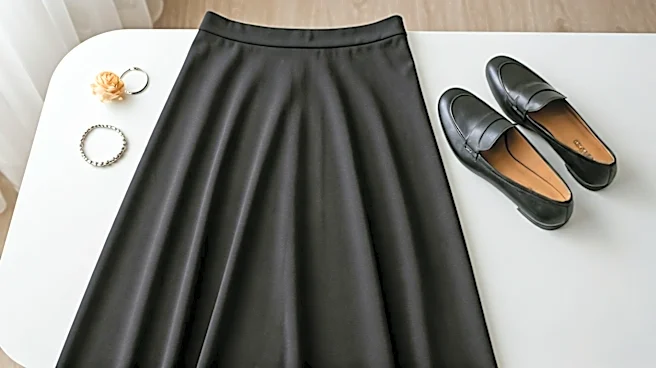
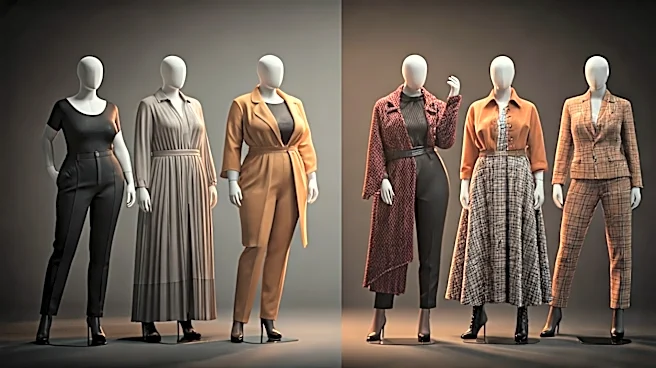
midsection, broader shoulders, and slimmer legs—the goal here is to create the illusion of an hourglass figure. This school of thought isn't about hiding your body, but about using clothing to visually sculpt a different silhouette. The playbook is consistent: use V-necks or scoop necks to elongate the torso, choose A-line or flared skirts to add volume at the hips, and employ empire waists or wrap dresses to create a higher, more defined waistline. Dark, solid colors are often recommended for the torso, with patterns or lighter colors on the bottom half to draw the eye downward. The logic is rooted in classic art and design principles of balance and visual flow. For many, this approach feels structured, reliable, and provides a clear roadmap to creating a specific, conventionally flattering look.
Philosophy 2: The Body Celebration Movement
The second, more modern philosophy rejects the premise that any body needs to be 'balanced' or 'corrected.' This approach, born from the body positivity and neutrality movements, argues that the goal of fashion should be self-expression and comfort, not conforming to a single silhouette ideal. Stylists in this camp will tell you to forget the rules. Love that horizontal-striped crop top? Wear it. Feel amazing in a sheath dress that follows your natural shape? Go for it. Instead of focusing on creating illusions, the emphasis shifts to celebrating the body as it is. Advice here centers on finding what makes you feel powerful and joyful. The questions aren't about 'hiding your tummy' but about 'what feature do you want to highlight today?' Maybe you love your legs and want to rock a miniskirt, or you adore your shoulders and opt for an off-the-shoulder top. This philosophy frees you from the 'problem/solution' mindset and reframes dressing as an act of personal style and confidence.
The Real Disagreement: Goals, Not Just Clothes
So, the 'disagreement' isn't really about whether an A-line skirt 'works.' It's about the fundamental goal of getting dressed. Is the goal to adhere to a standard of beauty, or is it to express your individual identity? A stylist from the School of Proportions believes their job is to help you achieve a look that is widely perceived as harmonious and 'flattering.' A stylist from the Body Celebration Movement believes their job is to help you find clothes that make you feel like the best version of yourself, regardless of external validation. Neither is inherently 'wrong'; they are simply serving different emotional and aesthetic goals. The conflict you see online is a reflection of this larger cultural shift in fashion, moving from prescriptive rules dictated by magazines to a more democratized, individual-first approach championed by influencers and everyday people.
The Great Unifier: Fabric and Fit
Here's the one thing both camps agree on: fabric and fit are everything. No matter which philosophy you subscribe to, ill-fitting clothes made from poor-quality material will never look or feel good. A cheap, clingy jersey will highlight every lump and bump in a way you may not like, while a high-quality, structured ponte knit or a flowy, well-draped viscose can skim the body beautifully. An empire-waist dress (from Camp 1) that’s too tight across the bust won't work. A fabulous, bold-patterned jumpsuit (from Camp 2) that’s too short in the torso will be uncomfortable. Focusing on how a garment is constructed and how it feels on your body is the universal secret. This is where your energy is best spent—finding brands that understand plus-size fit and investing in fabrics that drape, support, and feel great against your skin.