



The Magic of a Gifting Culture
To understand Burning Man, you have to understand its core principles, like Radical Self-reliance and Gifting. In this pop-up city of 70,000-plus people, commerce is forbidden; nothing is for sale except ice and coffee. Instead, a “gifting economy” thrives.
You don’t trade or barter; you give without expecting anything in return. Forget your goggles during a dust storm? A stranger might gift you a pair. Run out of bacon? Your camp neighbor might show up with a full plate. These moments are the origin of the phrase “The Playa Provides.” It’s the belief that if you participate in good faith and take care of your own basic needs, the universe (and your fellow Burners) will conspire to fill in the gaps. It’s the magic of finding exactly what you need, right when you need it, in one of the world's most inhospitable environments. This ethos fosters a powerful sense of community and can lead to profound personal experiences of generosity and connection.
When Faith Replaces Planning
The problem arises when this beautiful philosophy is mistaken for a logistical strategy. “The Playa Provides” is a terrible plan for water, shelter, food, or safety in a harsh desert. Believing someone will magically appear with a spare tent pole or critical medication isn’t just naive; it’s a burden on the community. The principle of Radical Self-reliance explicitly states that you are responsible for you. Relying on others to provide for your fundamental needs is often derided as being a “sparkle pony”—someone who shows up unprepared, contributing nothing but looks, and draining camp resources. On a macro level, this mindset can be disastrous. When thousands of individuals under-prepare, it strains the entire system, from medical services to the volunteer-run organizations that form the city’s backbone. It’s the difference between a serendipitous gift and an avoidable dependency.
Reality Hits Hard
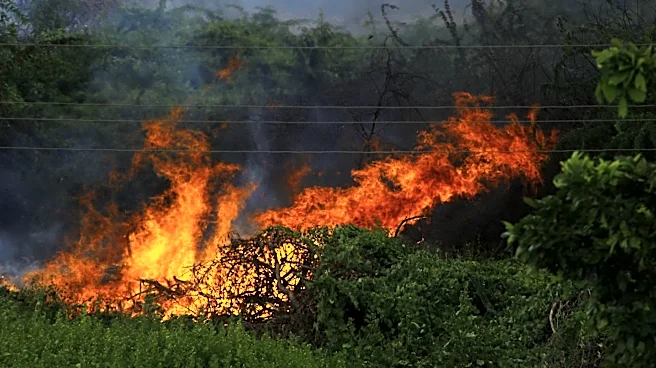
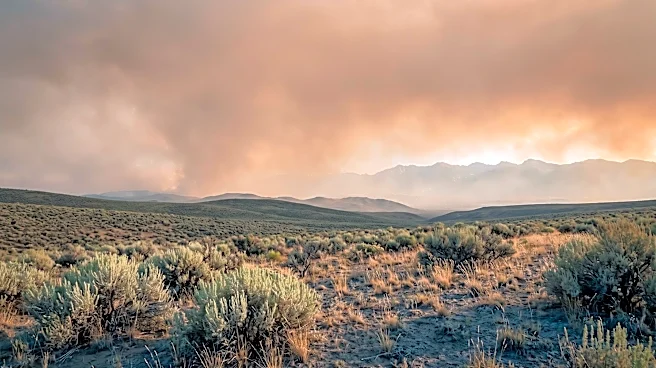
Large-scale events require meticulous planning, something the Burning Man organization itself acknowledges as it struggles with ingress and egress, especially when weather strikes. The entire event is a massive logistical undertaking in a place where survival is not guaranteed. This year, external factors compounded the usual challenges. Just before the event, the Hawk Fire near Reno displaced local residents and Burners alike, destroying homes and gear while straining regional resources that attendees rely on for last-minute supplies. Organizers had to issue advisories for incoming participants, asking them to avoid using resources needed for evacuees. This is a stark reminder that Black Rock City doesn't exist in a vacuum. A philosophy of “it will all work out” is a luxury one can’t afford when faced with wildfires, extreme weather, or supply chain disruptions. Relying on the playa to provide is a romantic notion that crumbles when confronted by the hard realities of public safety and resource management.
An Ethos at a Crossroads
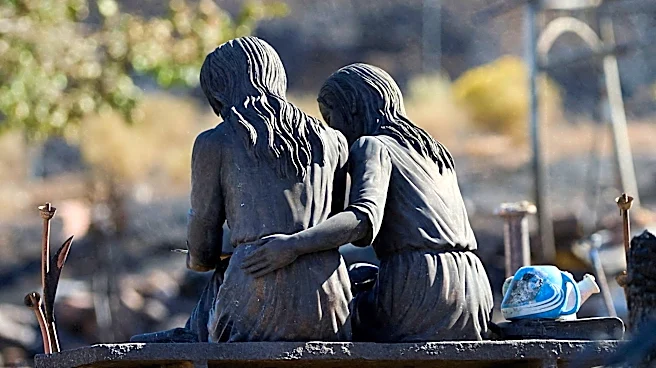
Burning Man is no longer a small, anarchic gathering; it’s a global phenomenon. Its size and complexity demand a more mature approach than simply hoping for the best. The tension between the event’s counter-cultural, spontaneous roots and the practicalities of managing a temporary city is at a breaking point. The spirit of “The Playa Provides” shouldn’t be about getting a free cigarette from a stranger and calling it “manifesting.” It should be about the collective effort to create a world where those moments of grace are possible because the fundamentals are already handled. It’s about the community that builds a Temple for shared grief and solace, a core part of the experience that is anything but accidental. The magic of Burning Man isn't that things magically appear; it's that people choose to bring them and share them.