

The Core Conflict: Structure vs. Slouch
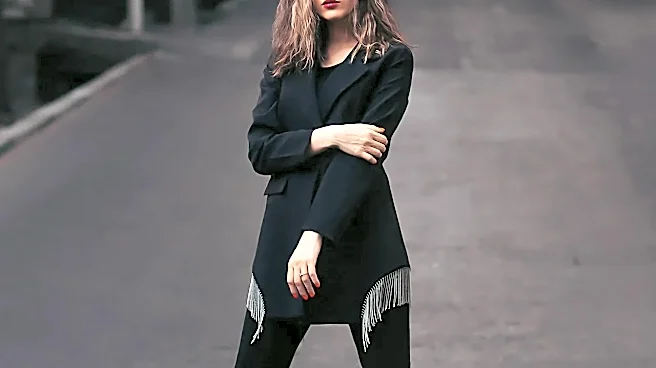
The fundamental disagreement among stylists boils down to a classic fashion debate: structured silhouette versus relaxed comfort. One school of thought insists that layering should always maintain a sense of proportion. For these stylists, an overshirt
should be a clean top layer, worn over a fitted base like a slim tee or a fine-gauge knit to keep the overall shape defined. The goal is to avoid looking bulky. The opposing camp champions the oversized, comfort-first aesthetic. They argue that the appeal of the overshirt lies in its casual, thrown-on nature. This group encourages boxier fits, pairing a loose overshirt with equally relaxed pieces like wide-leg pants or a hoodie underneath, embracing a more street-style-inspired, slouchy silhouette.
Fabric Is Everything
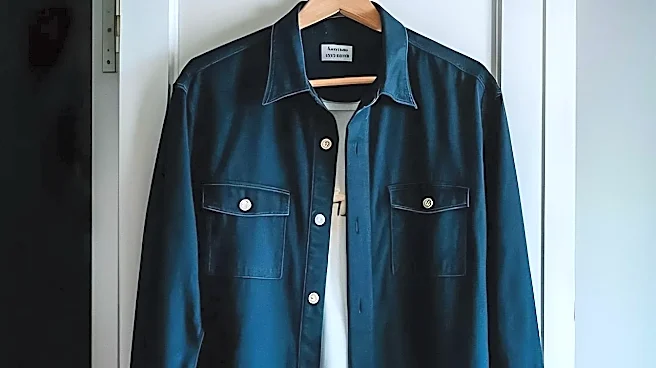
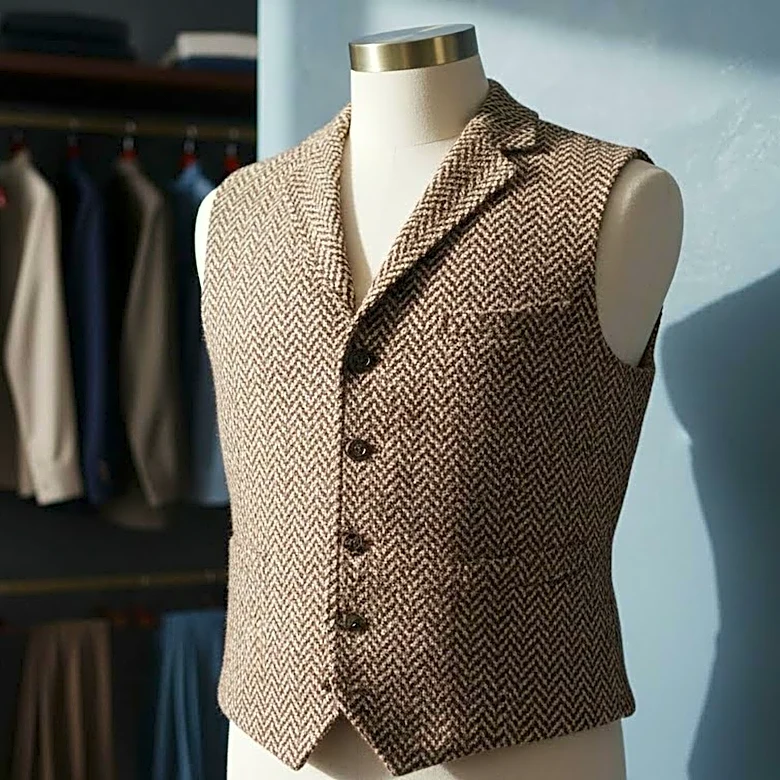
Much of the debate is settled before you even get dressed—it's all about the material. Stylists on both sides agree that fabric dictates how an overshirt can be layered. A thick, structured wool or heavy cotton twill naturally acts more like a jacket. It holds its shape, making it a powerful outer layer that works best when it's the heaviest piece in the look. Conversely, a lightweight flannel, linen, or drapey Tencel overshirt functions more like a traditional button-down. These softer versions can be tucked, tied, or even layered under another jacket, which is a move most stylists would advise against with a bulky, jacket-like shacket. The disagreement arises when these lines blur, with some stylists arguing that even heavy flannels can be worn more fluidly, while others insist they demand to be the final layer.
The Under-Layer Debate
What you wear underneath is a major point of contention. The purists advocate for simplicity: a clean, plain, high-quality t-shirt is the gold standard. The idea is to create a neutral canvas that lets the overshirt stand out. But another group of stylists sees the under-layer as an opportunity for more expression. They'll suggest layering an overshirt over a hoodie for a casual, urban look, a turtleneck for a smarter, more elevated feel, or even a graphic tee to add a pop of personality. Some will even venture into shirt-on-shirt territory, layering a rugged overshirt over a chambray or denim button-down—a move that traditionalists might argue creates too much bulk and competing collar action.
To Button or Not to Button?
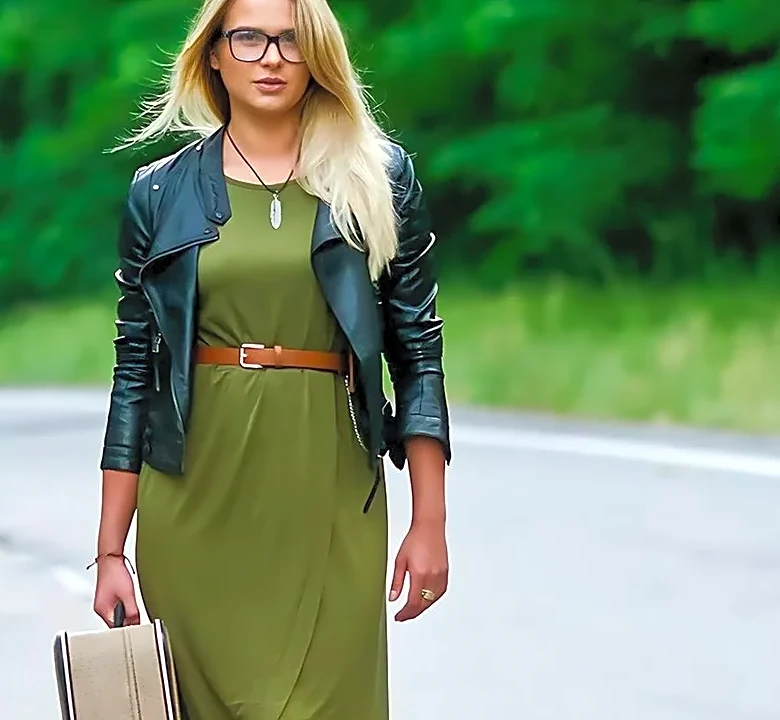
How you fasten it—or don't—also splits the experts. Wearing an overshirt open is the most common and relaxed approach, treating it like a casual jacket. But many stylists argue that buttoning it up creates a cleaner, more intentional outfit. A buttoned-up overshirt, especially one made of a more structured material, can almost mimic the look of a chore coat or a casual blazer, offering a polished alternative for smart-casual settings. The disagreement often centers on the occasion. For a laid-back weekend look, open is the consensus. But for a dinner out or a creative office, some stylists will champion the buttoned-up approach for a more refined silhouette, while others feel it makes the garment look too much like a simple, thick shirt.
The Final Verdict: It’s About You
Ultimately, the “real reason” stylists disagree is that there is no single right way to wear an overshirt. The rules depend entirely on the specific garment, the occasion, and, most importantly, your personal style and body shape. A tailored fit might flatter a slim build, while a relaxed, boxy cut can work well for a larger frame or a specific aesthetic. The conflicting advice isn't about right versus wrong; it's a reflection of different styling philosophies. One prioritizes sharp, clean lines and flattering proportions, while the other values comfort, personal expression, and trend-forward ease.